Category: Entrees

  • Roasted Lamb Chops 香烤羊排

    Roasted Lamb Chops 香烤羊排

    TOTAL TIME: 70 minutes

    YIELD: 2 servings

    CALORIES: 800 kcal per serving

    SPICINESS: Not Spicy

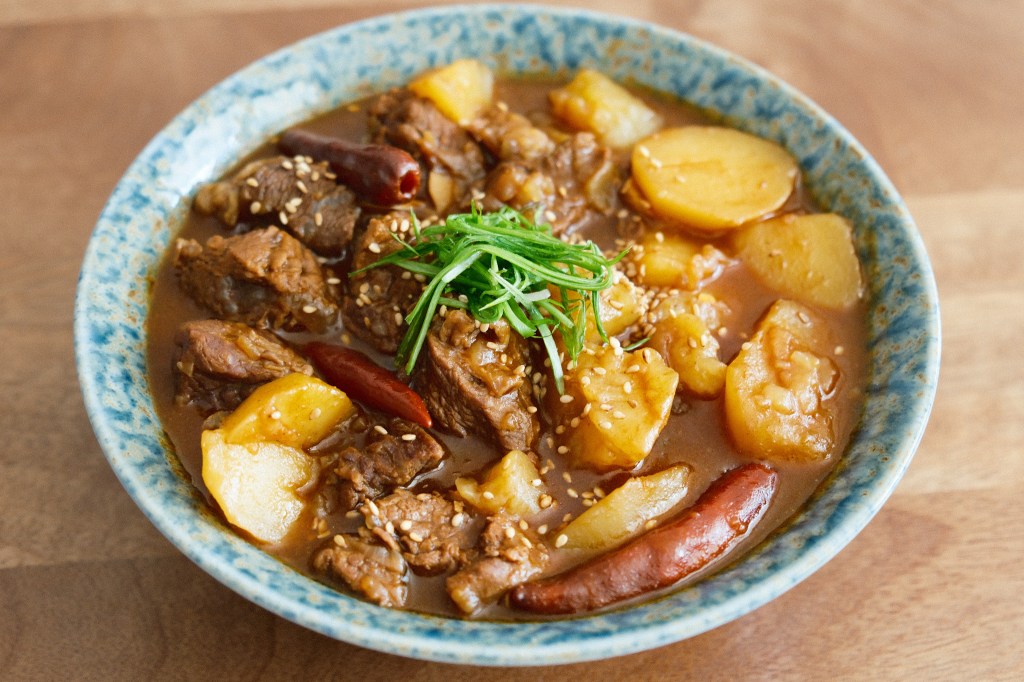
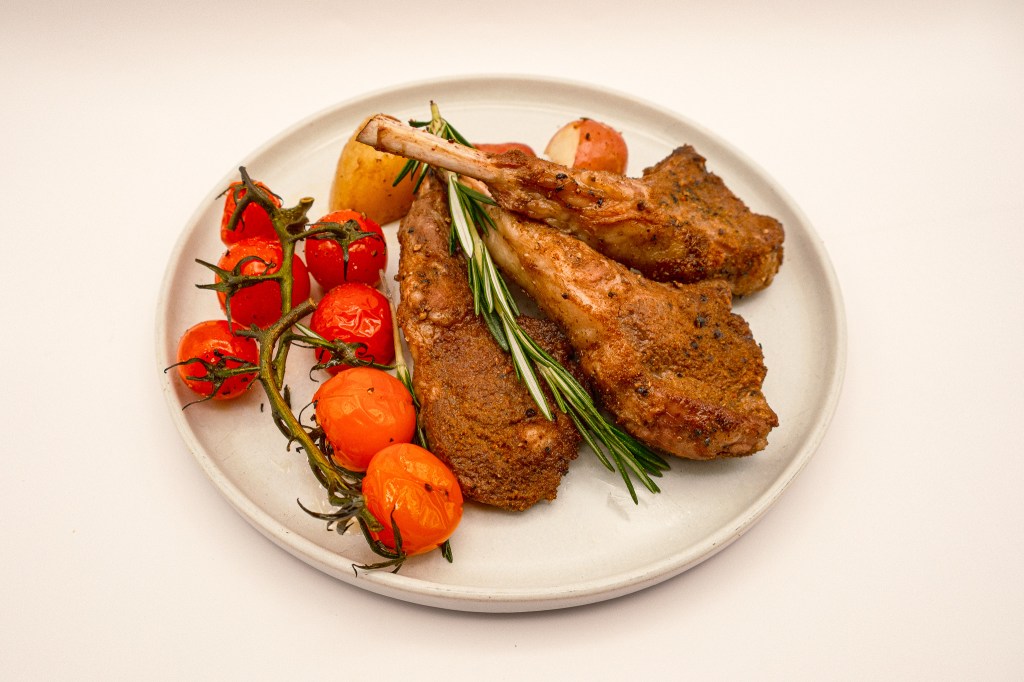
    Rosemary and cumin roasted lamb chops are a simple yet impressively elegant dish with a touch of ceremony. The main prep is just marinating the lamb, which is something you can easily do the night before, and then letting the oven do all the work in one go. It’s quick enough for a weeknight but also perfect for festive gatherings.


    INGREDIENTS 备菜
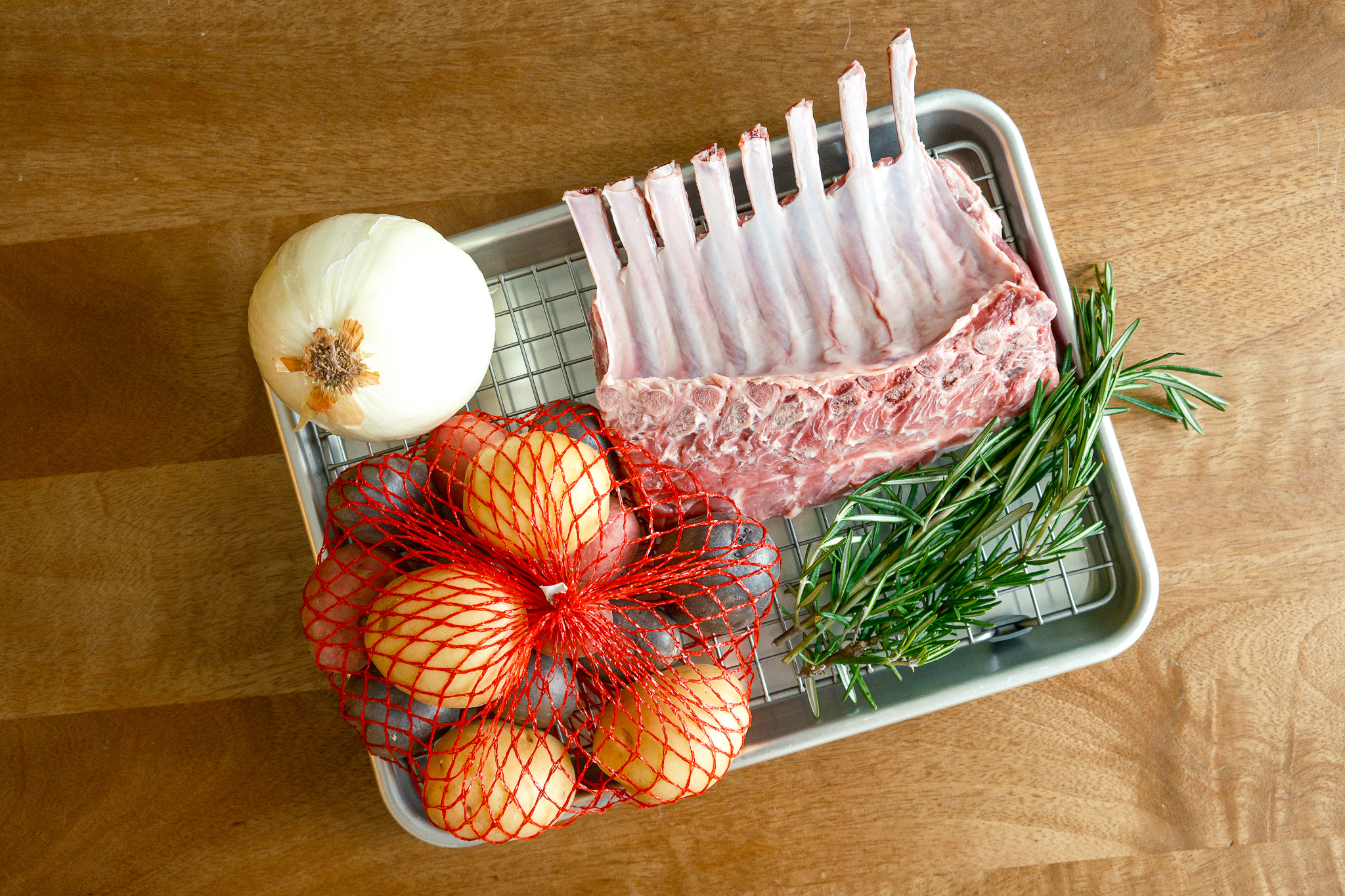
    Item 配菜Amount 用量
    Lamb Chops 羊排1.3 pounds
    Onion 洋葱1 (medium)
    Potatoes 土豆As needed
    Rosemary 迷迭香As needed
    Cumin Powder 孜然粉To taste
    Black Pepper 黑胡椒To taste
    Salt 盐To taste
    Olive Oil 橄榄油To taste
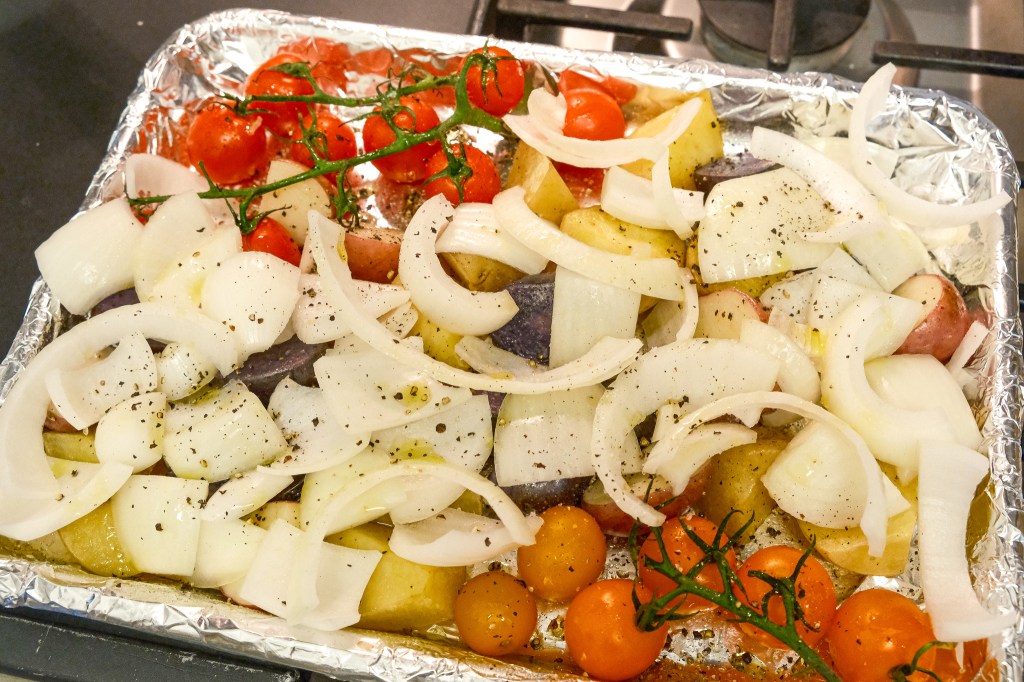
    1. 配菜除了土豆外,还可以选择小西红柿、西兰花或豇豆等蔬菜一起烤,口感和颜色都很丰富。

    INSTRUCTIONS 做法

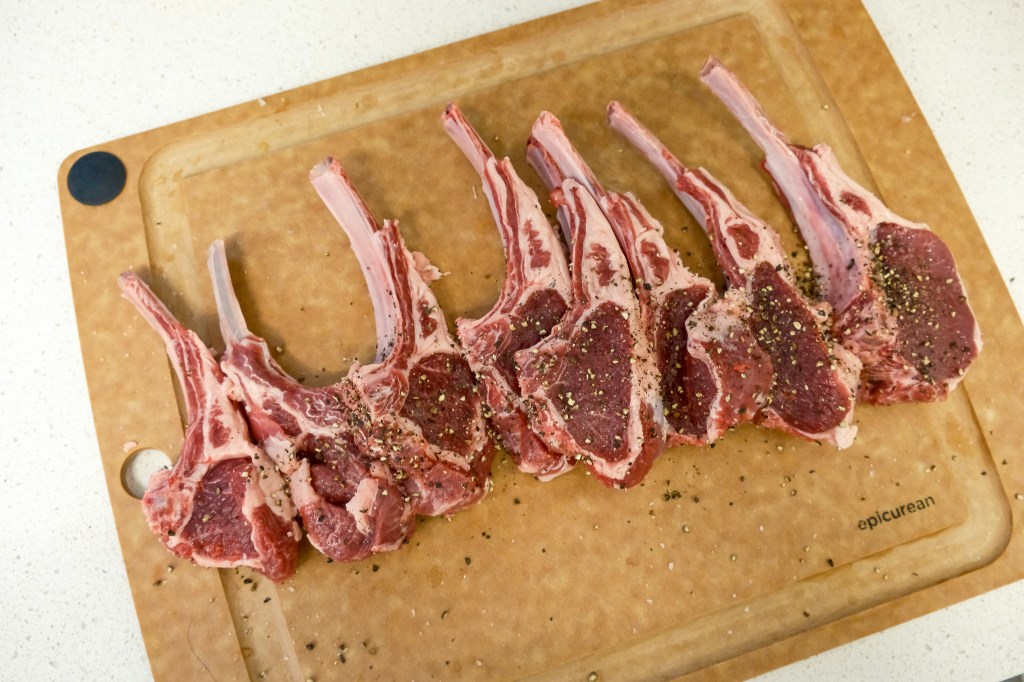
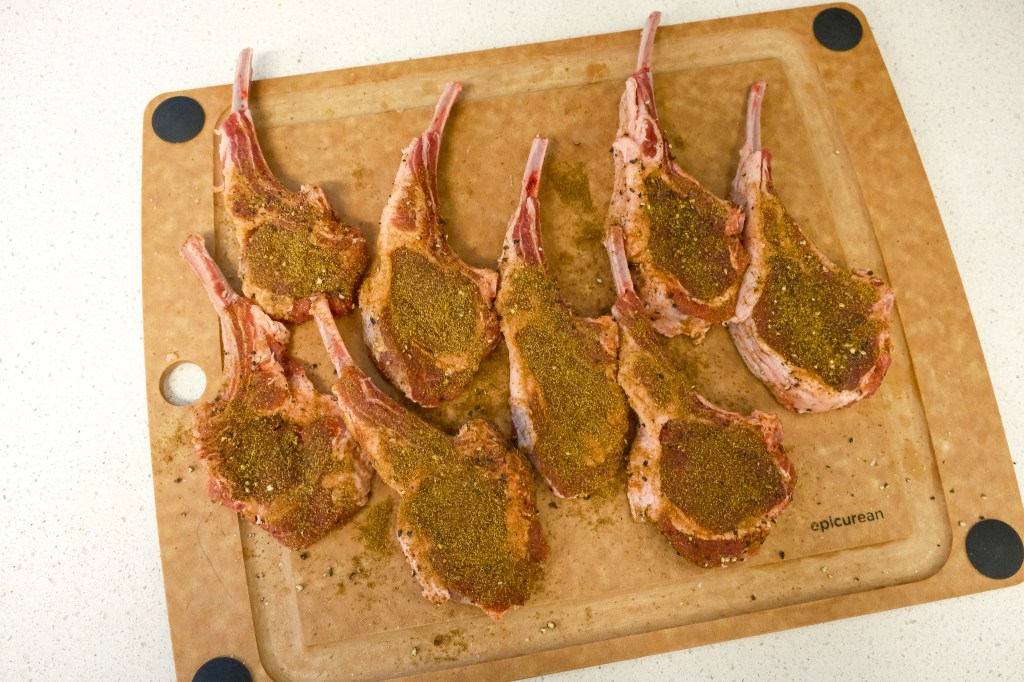
    1. Rinse and pat the lamb chops dry. Cut them apart, then season both sides generously with black pepper, salt, and ground cumin. Marinate for at least 30 minutes (I marinated mine for 2 hours). 羊排清洗后擦干水分,切开后两面均匀撒上黑胡椒、盐和孜然粉,腌制至少30分钟(我腌了2小时)。
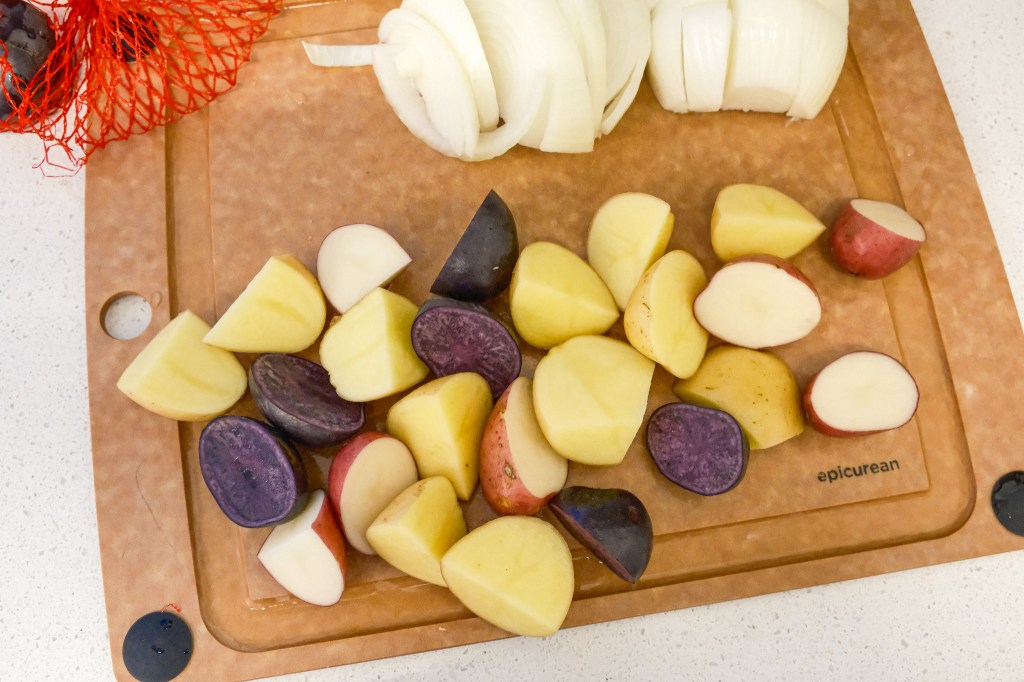
    2. Dice the potatoes and onions into small pieces. 土豆、洋葱切成小块。

    3. Spread the potatoes evenly on a baking tray, sprinkle with black pepper and salt, and drizzle with olive oil.土豆平铺在烤盘上,撒上黑胡椒、盐并淋上橄榄油。
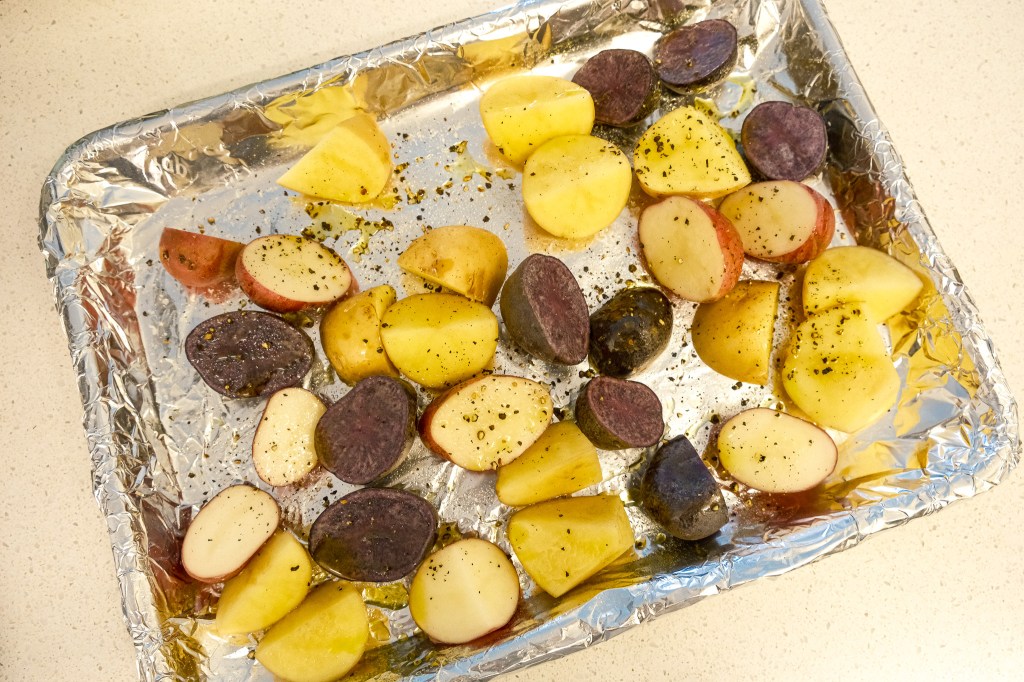
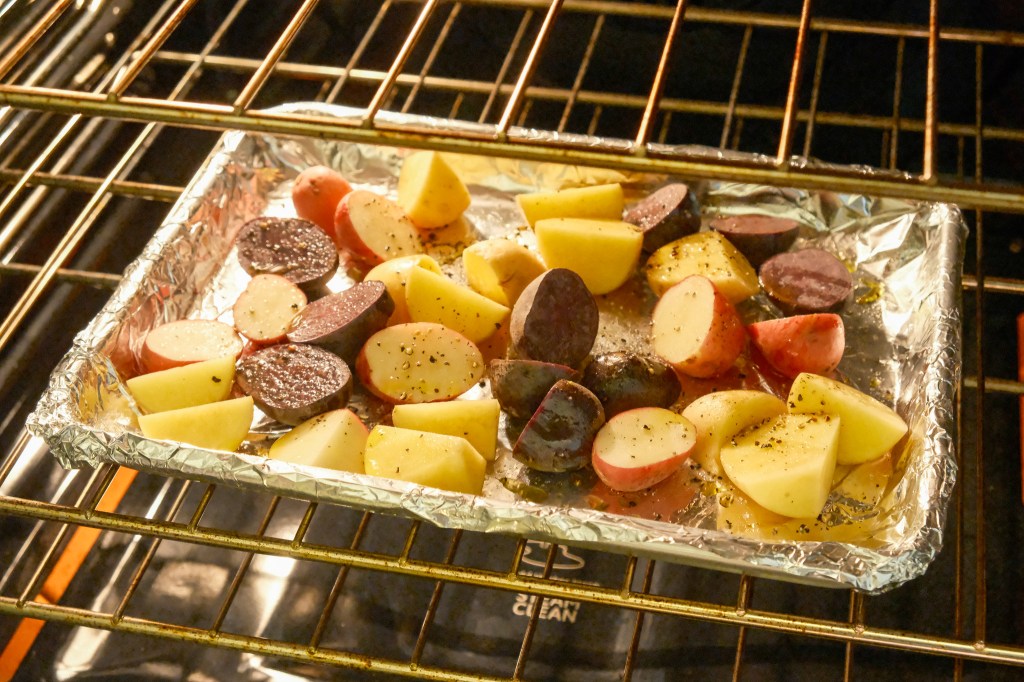
    4. Preheat the oven to 230 °C (450 °F) and bake for 10 minutes. 烤箱预热至230°C(450°F),先烤10分钟。
    5. Remove the tray, add the onions and tomatoes (or other vegetables of your choice), and continue baking for 5 minutes. 取出烤盘,加入洋葱和西红柿(或其他蔬菜)继续烤5分钟。
    6. Sprinkle the lamb chops with rosemary, place them on top of the potatoes and vegetables, and bake at the same temperature for 15 minutes. Take the tray out, flip the lamb chops, and bake for another 5 minutes. Since oven power varies from household to household, adjust the time as needed and keep an eye on the doneness of the lamb. 羊排撒上迷迭香,放在土豆和蔬菜上,同温度继续烤15分钟,取出后将羊排翻面再烤5分钟。由于每个家庭烤箱功率不同,时间可适当调整,烤制过程中注意观察羊排的熟度即可。
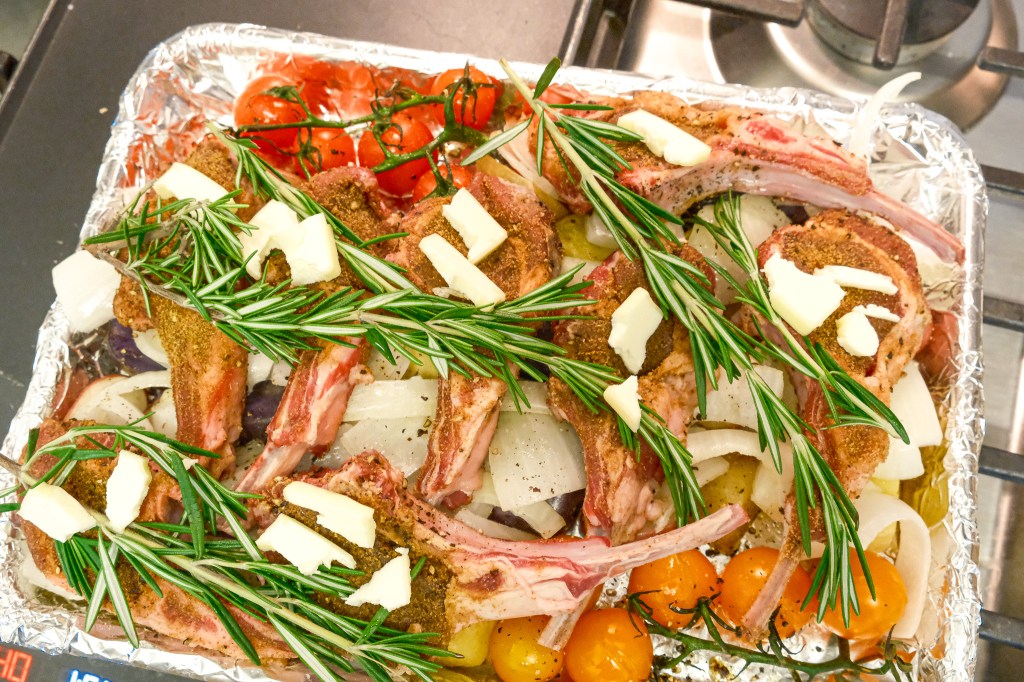
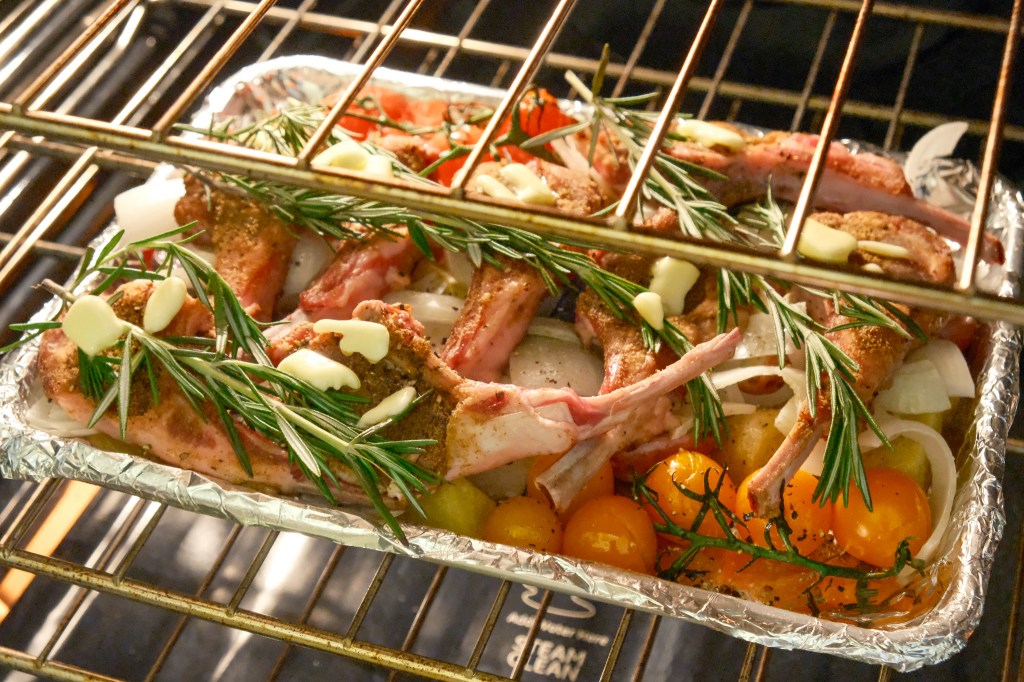
    Voila! Bon appétit!
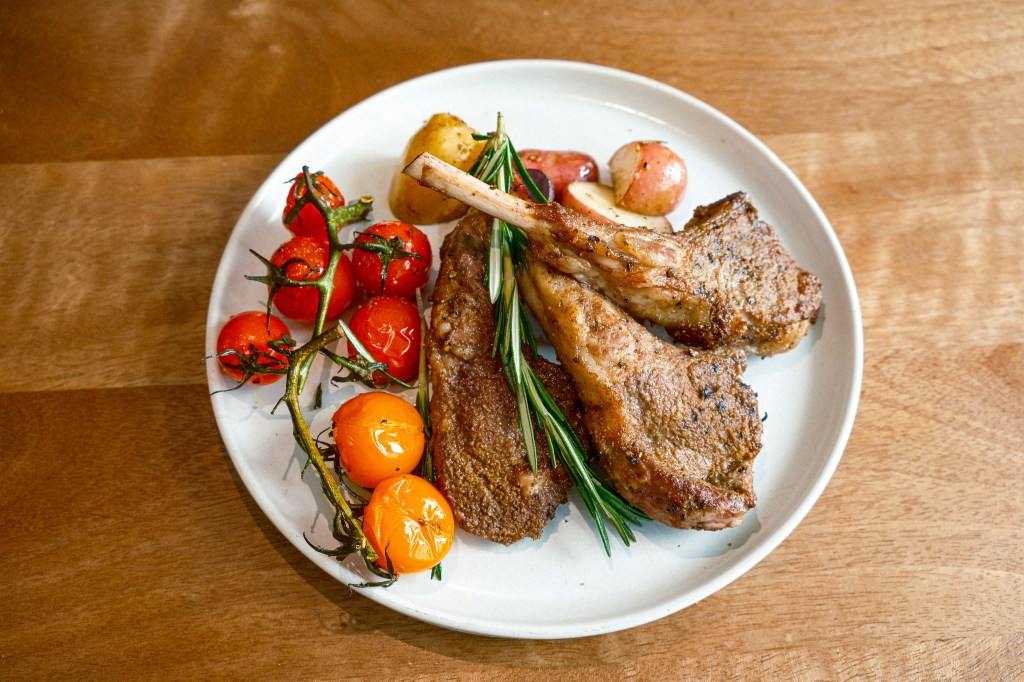
    Tips:

    • If time allows, marinate the lamb chops the night before and refrigerate them. Baking the next day will give them an even deeper flavor. 如果时间允许,可以在前一晚就把羊排腌好,放入冰箱冷藏,第二天再烤会更入味。
    • 土豆最好切成较小的块,方便烤熟。Cut the potatoes into small pieces so they cook through more easily.
  • Braised Fish in Taizhou Home Style 台州家烧鱼

    Braised Fish in Taizhou Home Style 台州家烧鱼

    TOTAL TIME: 30 minutes

    YIELD: 2 servings

    CALORIES: 290 kcal per serving

    SPICINESS:

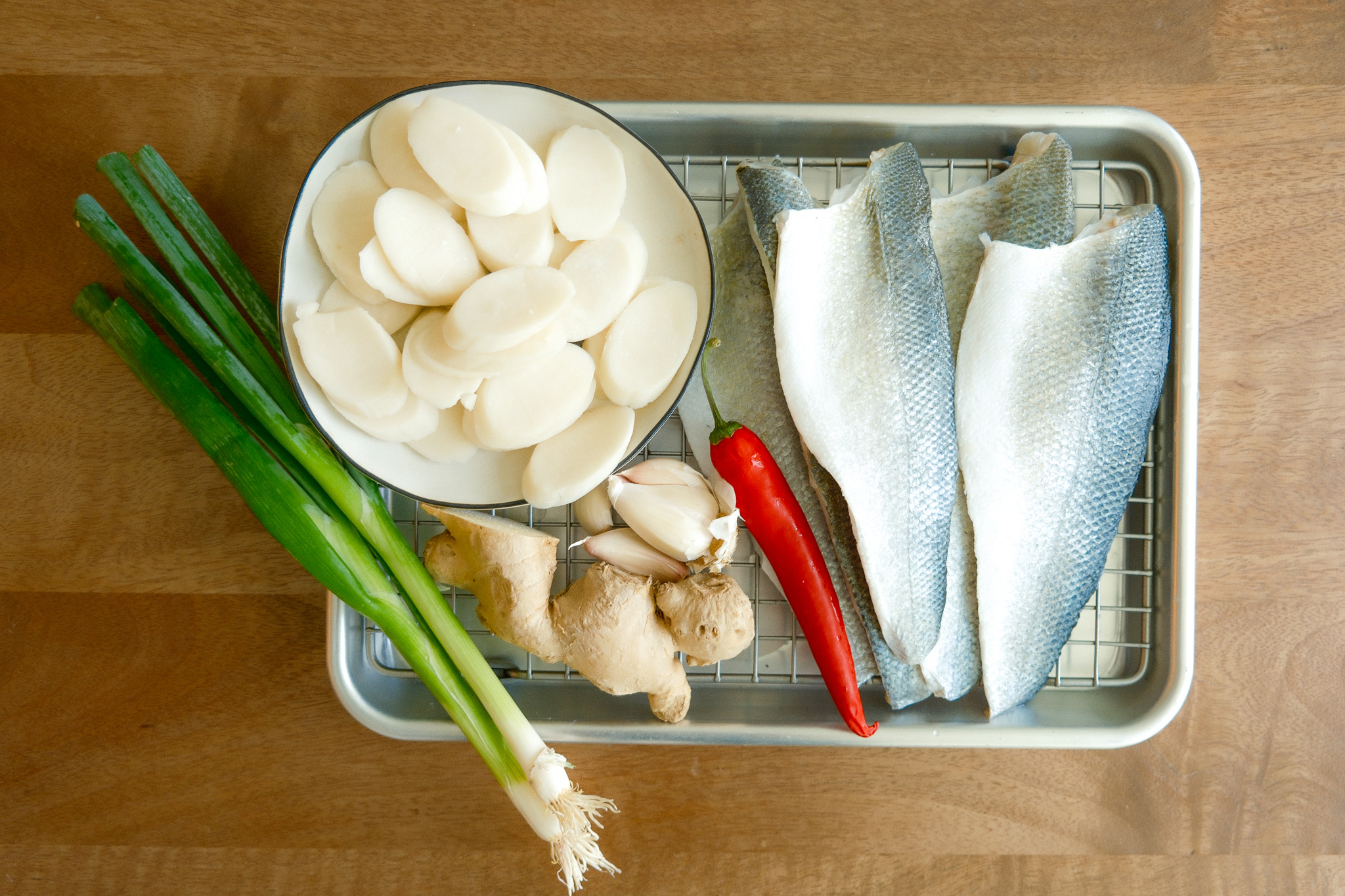
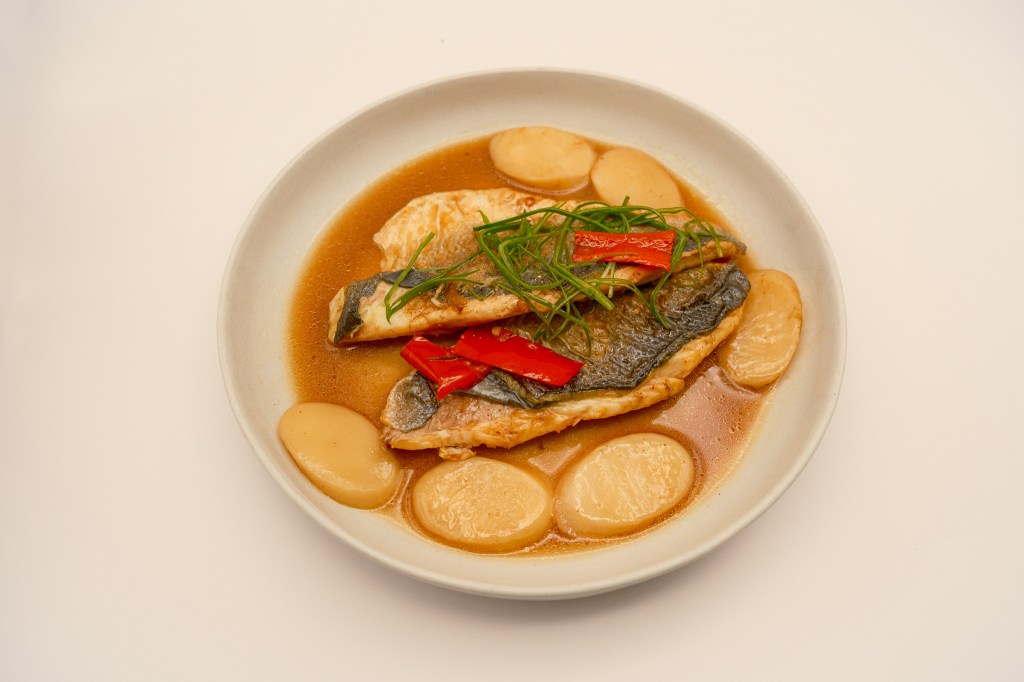
    “Home-style seafood” or “Jia Shao” is a traditional cooking method from the coastal region of Taizhou, Zhejiang. This dish is also a signature at the Michelin-starred restaurant Xin Rong Ji. Recreating it at home is actually quite simple, you only need fish fillets, scallions, ginger, garlic, plus soy sauce and cooking wine. The broth is incredibly flavorful, perfect not just for dipping rice cakes, but also delicious served over rice. It has always been one of my favorites!


    INGREDIENTS 备菜

    Item 配菜Amount 用量
    Sea Bass Fillets 鲈鱼1 pound
    Rice Cake Slices 年糕as needed
    Scallion 葱2 sprigs
    Garlic 蒜5 cloves
    Ginger 姜3 slices
    Red Chili 红辣椒1
    Light Soy Sauce 生抽3 tbsp
    Shaoxing Cooking Wine 料酒5 tbsp
    Hot Water 热水200 ml
    White Pepper Powder 白胡椒1 tsp
    1. If you can’t handle spicy food, feel free to skip the red chili.
    2. If you’re not a fan of rice cakes, you can leave them out.
    1. 家常做海鲜一般会选择黄鱼或鲳鱼,但用 Trader Joe’s 的海鲈鱼也很好。
    2. 不吃辣的可以省略红辣椒。
    3. 不喜欢年糕的话也可以不放。

    INSTRUCTIONS 做法

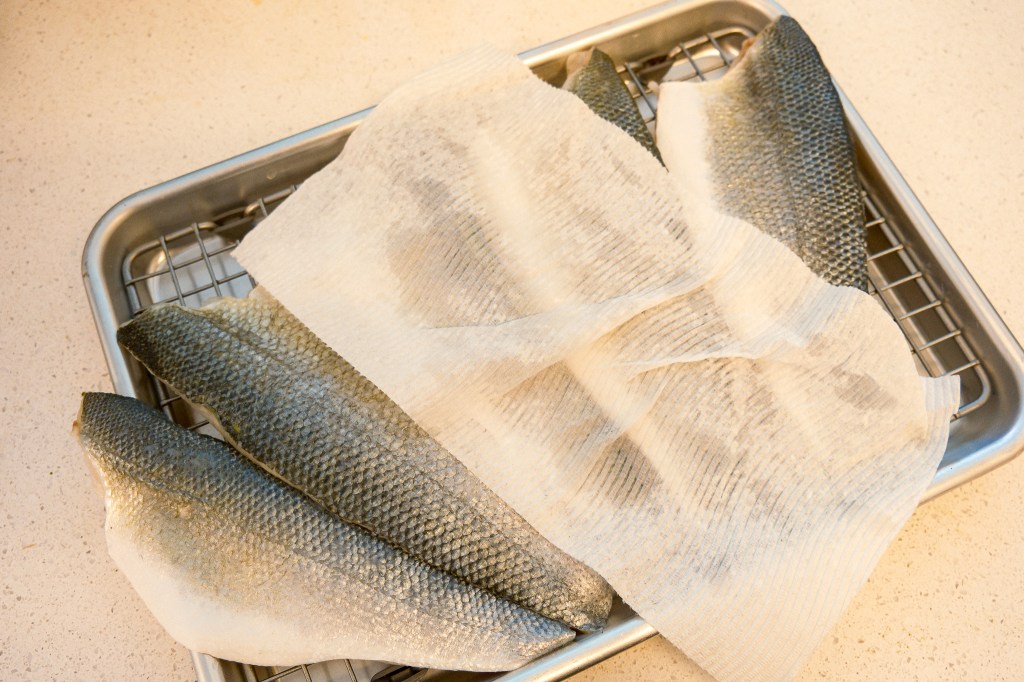
    1. Thaw the fish fillets, rinse them, and pat completely dry with paper towels. Make sure they are fully dry, this is key to keeping the skin intact when pan-frying. 鱼片先解冻、清洗干净,然后用厨房纸吸干水分。一定要彻底擦干!这是煎鱼时鱼皮完整、不破裂的关键。

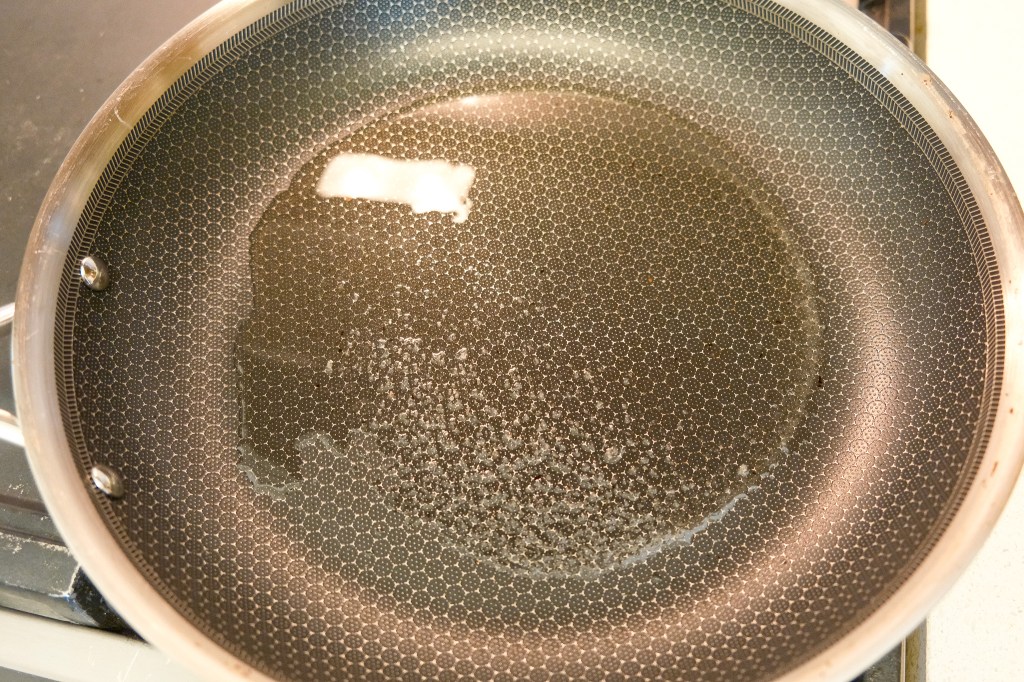
    2. Heat a pan over high heat and add cooking oil. When the oil is slightly smoking, add a pinch of salt and reduce to medium heat. 开大火加热锅,倒入食用油,待油微微冒烟时加入少许盐,转中火。

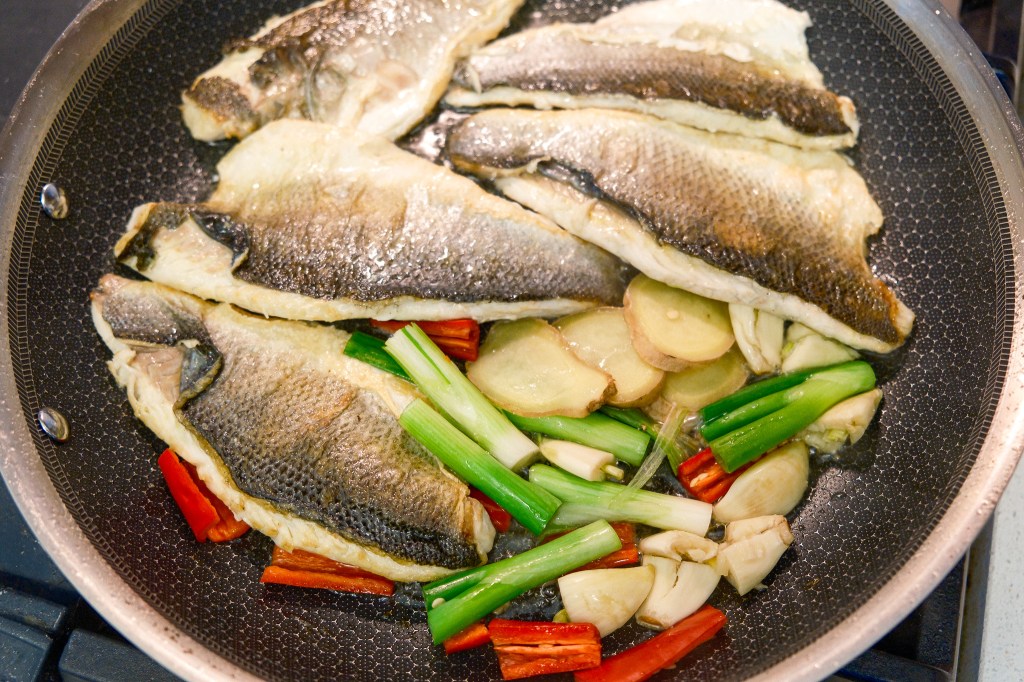
    3. Place the fish fillets skin-side down. Do not flip them immediately; gently shake the pan occasionally to prevent sticking. Once the skin turns golden and crispy, carefully flip the fillets. 下入鱼片,鱼皮朝下。不要翻动鱼片,只需轻轻晃动锅让鱼皮不粘锅。等鱼皮煎至金黄香脆后,小心翻面。

    4. After the other side is lightly seared, push the fish to one side of the pan. In the same pan, add sliced ginger, garlic, and chili, and sauté until fragrant.将鱼片煎好另一面后拨到一边,在同一锅中加入姜片、蒜片和辣椒,用油炒出香味。

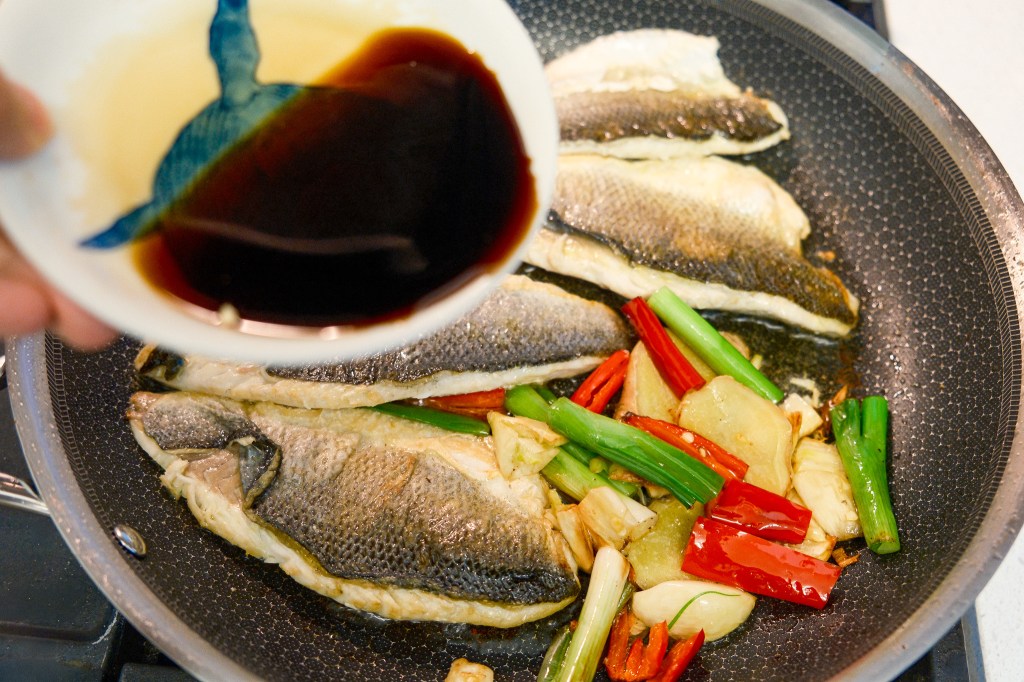
    5. Add light soy sauce. Pour Shaoxing cooking wine around the edge of the pan to release more aroma. 倒入适量生抽调味。沿锅边淋入料酒,利用高温激发香气。

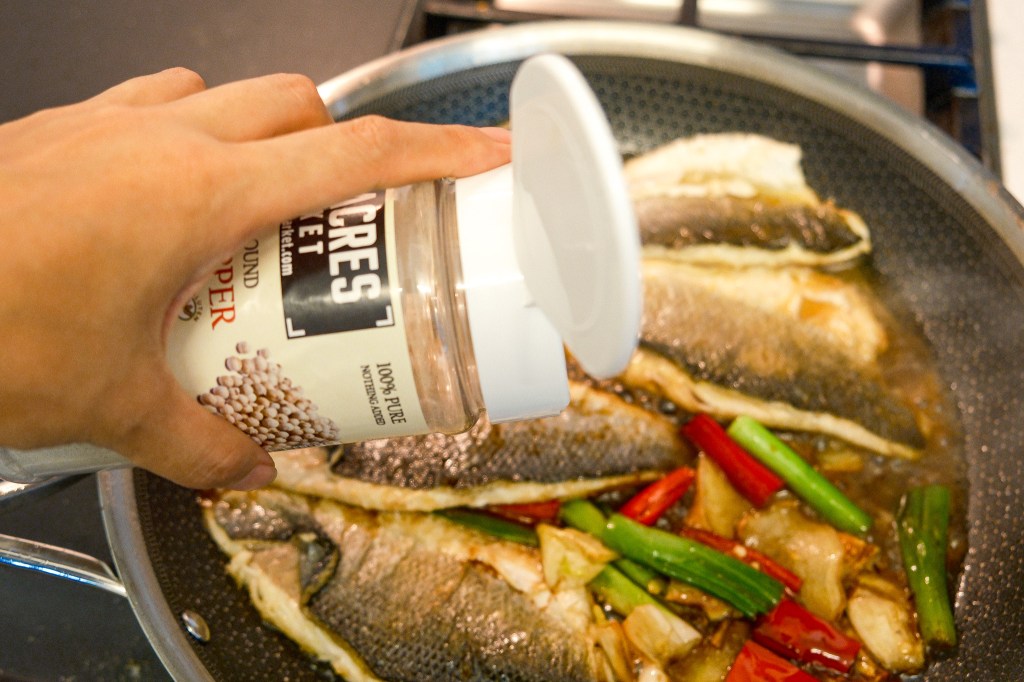
    6. Sprinkle a little white pepper powder. 撒上一点白胡椒粉。

    7. Pour in 200ml of hot water (must be HOT!). 倒入200ml开水(必须是开水!)。

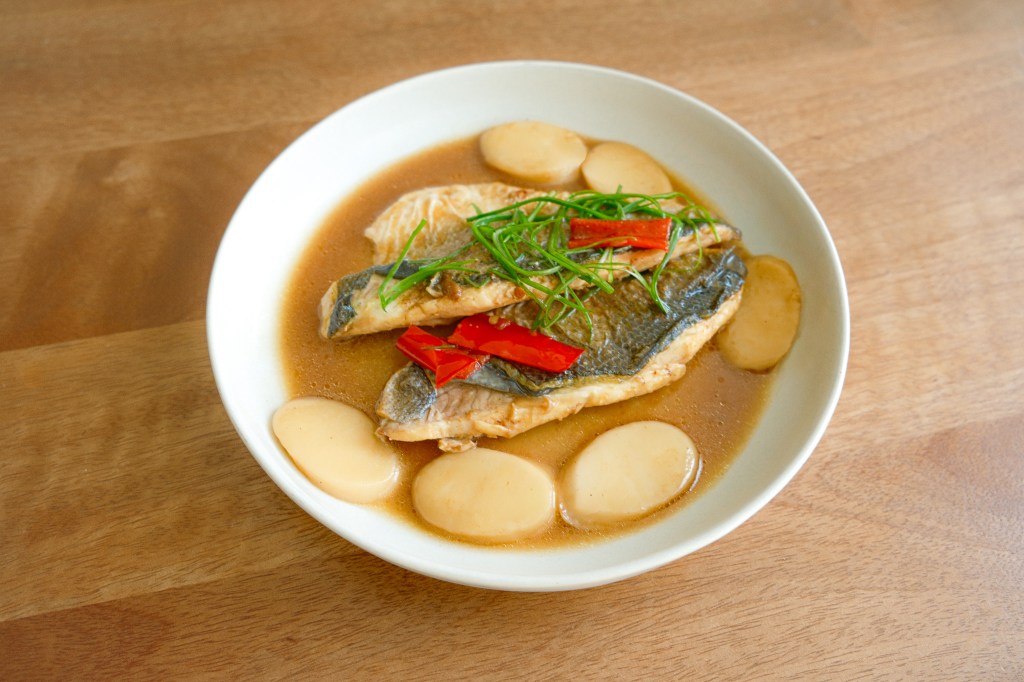
    8. Add rice cakes, adjusting the amount to your preference. Cover and cook over high heat for about 8 minutes, or until the sauce slightly thickens. Occasionally spoon the sauce over the fish. Just before turning off the heat, sprinkle chopped scallions for flavor. 加入年糕,量可根据个人喜好调整。大火煮开后,开盖煮约8分钟,或直至汤汁略浓(可用勺子将汤汁浇在鱼上)。临关火前撒入葱段提味即可。

    Voila! Bon appétit!

    Tips:

    • If you added a lot of rice cakes, you can add extra hot water during cooking, for example, I added an additional 50ml. 如果年糕量多,可在煮的过程中适量补充热水,例如我额外加了50ml。

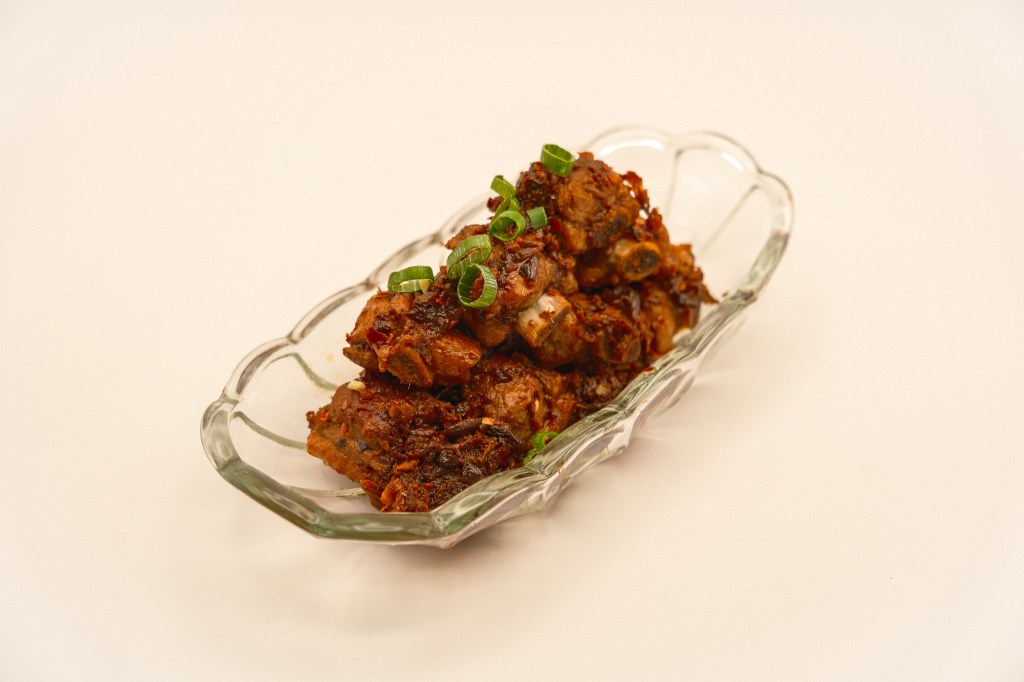
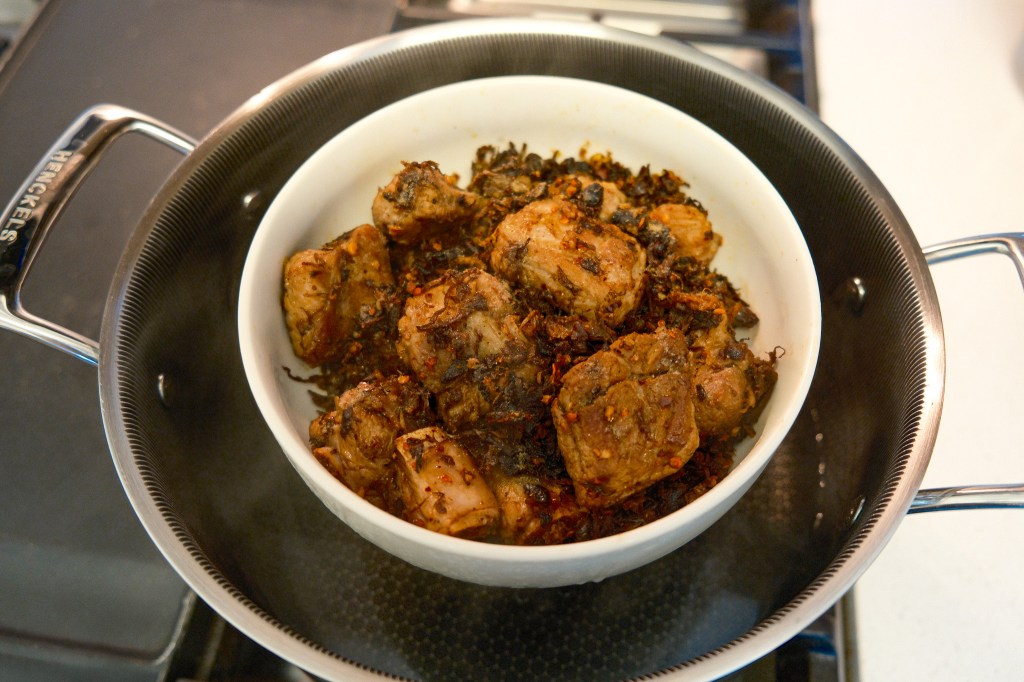
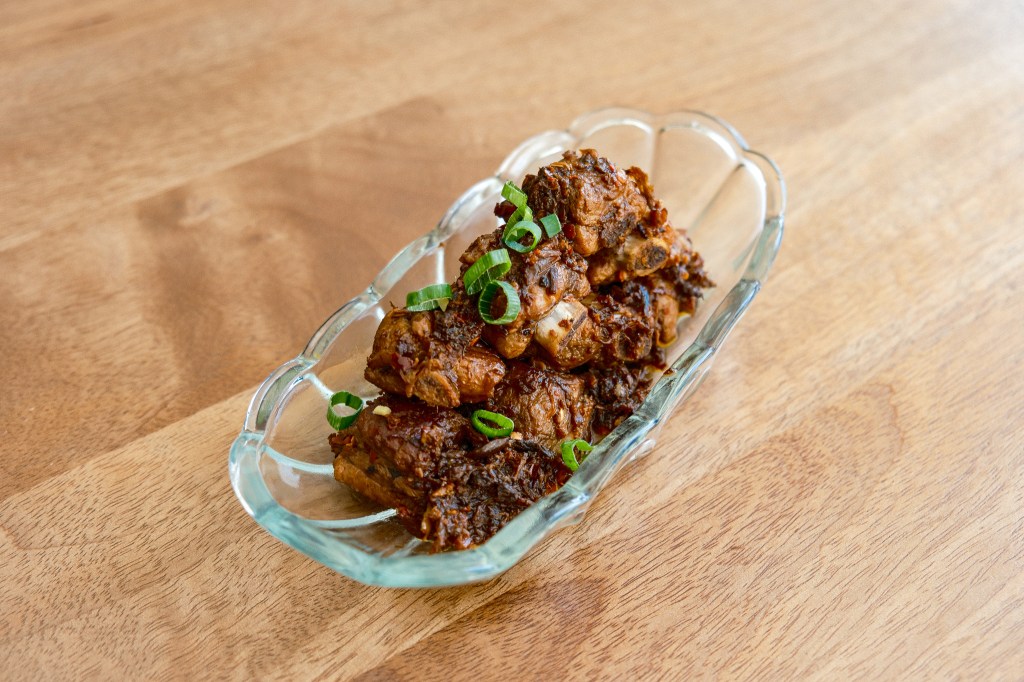
  • Steamed Spare Ribs with Dry Mustard Greens 梅干菜蒸排骨

    Steamed Spare Ribs with Dry Mustard Greens 梅干菜蒸排骨

    TOTAL TIME: 2 hours and 30 minutes

    YIELD: 2 servings

    CALORIES: 450 kcal per serving

    SPICINESS:

    I first tried this dish at a friend’s house and loved it so much that I had to ask for the recipe. Steamed spare ribs with preserved mustard greens (“meigan cai”) is a classic Hakka dish. It’s traditionally steamed, allowing the ribs to absorb the rich aroma of the meigan cai, while the preserved greens soak up the meat juices, making the dish full of flavor.


    INGREDIENTS 备菜

    Item 配菜Amount 用量
    Spare Ribs 猪肋排500 g
    Preserved Mustard Greens 梅干菜50 g
    Scallion 葱绿1/2 stalk
    Minced Garlic 蒜末3 cloves
    Minced Ginger 姜末2 slices
    Shredded Ginger 姜丝2 slices
    Fermented Black Beans 豆豉15 g
    White Pepper Powder 白胡椒1 tsp
    Chili Powder 辣椒面5 g
    Light Soy Sauce 生抽2 tsp
    Dark Soy Sauce 老抽1 tsp
    Shaoxing Cooking Wine 料酒1 tsp
    Oyster Sauce 蚝油1 tsp
    1. 梅干菜在翻译上可能会和榨菜容易混淆。但是看包装的话是完全不一样的东西。梅干菜一般用于浙江菜或者客家菜中,榨菜一般产于四川地区。

    INSTRUCTIONS 做法

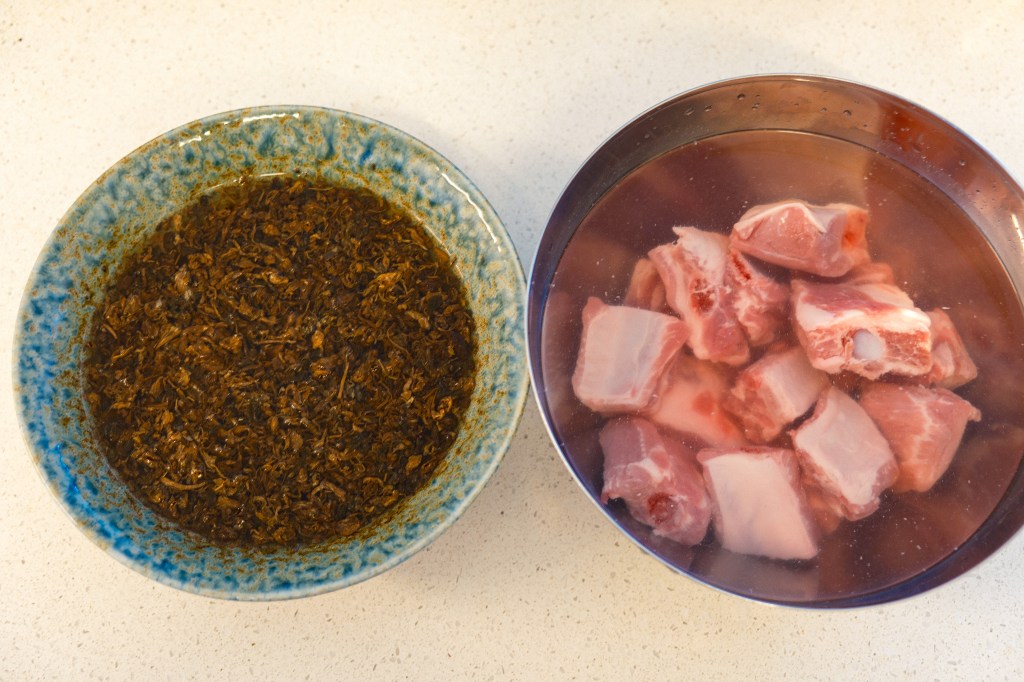
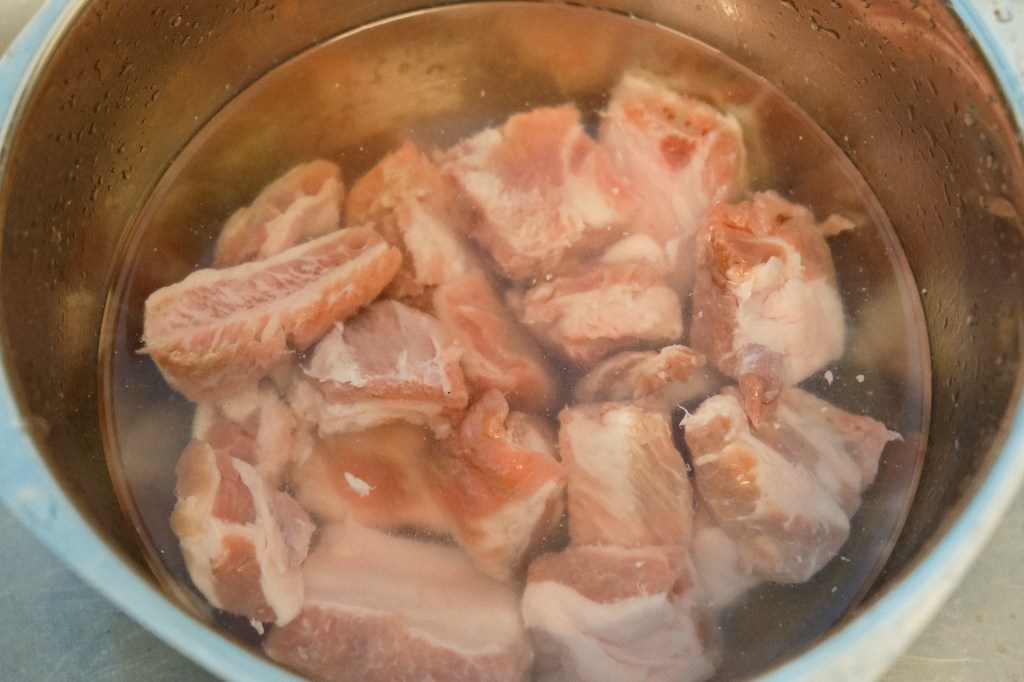
    1. Soak 500g (about 1 lb) pork ribs in water for 1 hour to remove excess blood. At the same time, soak 50g dry pickled mustard (meigan cai) in warm water for about 1 hour until softened. 将500g排骨放入清水中浸泡1小时,去除血水。同时,将50g梅干菜放入碗中,用温水浸泡约1小时泡发。

    2.Drain the ribs well. Squeeze out excess water from the mustard greens and set aside. 排骨捞出沥干水分;梅干菜挤干水分备用。

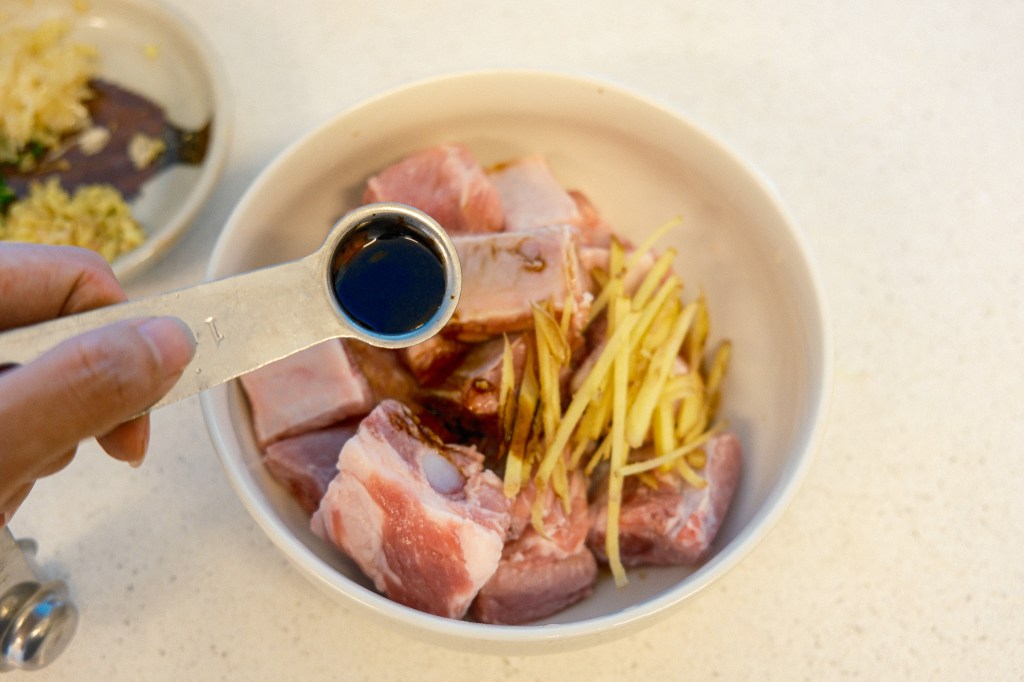
    3. Place the ribs in a bowl. Add shredded ginger, 1 tbsp cooking wine, 2 tbsp light soy sauce, 1 tbsp dark soy sauce, 1 tbsp oyster sauce, and a small pinch of white pepper. 排骨放入碗中,加入姜丝、1勺料酒、2勺生抽、1勺老抽、1勺蚝油和少许白胡椒粉。

    4. Mix well and marinate for 30 minutes. 拌匀后腌制30分钟。

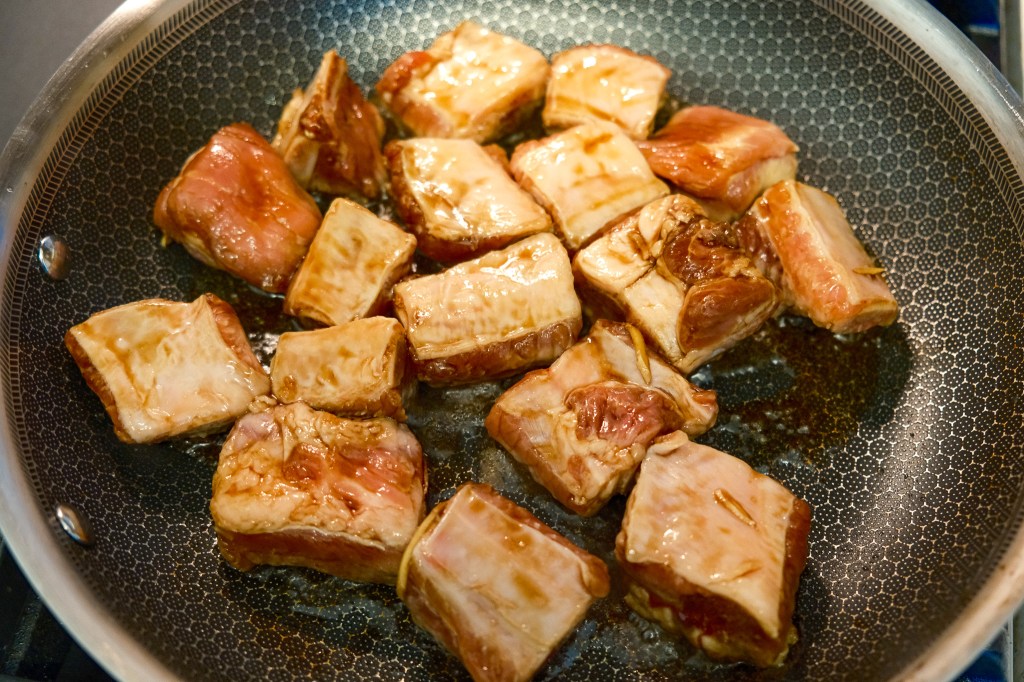
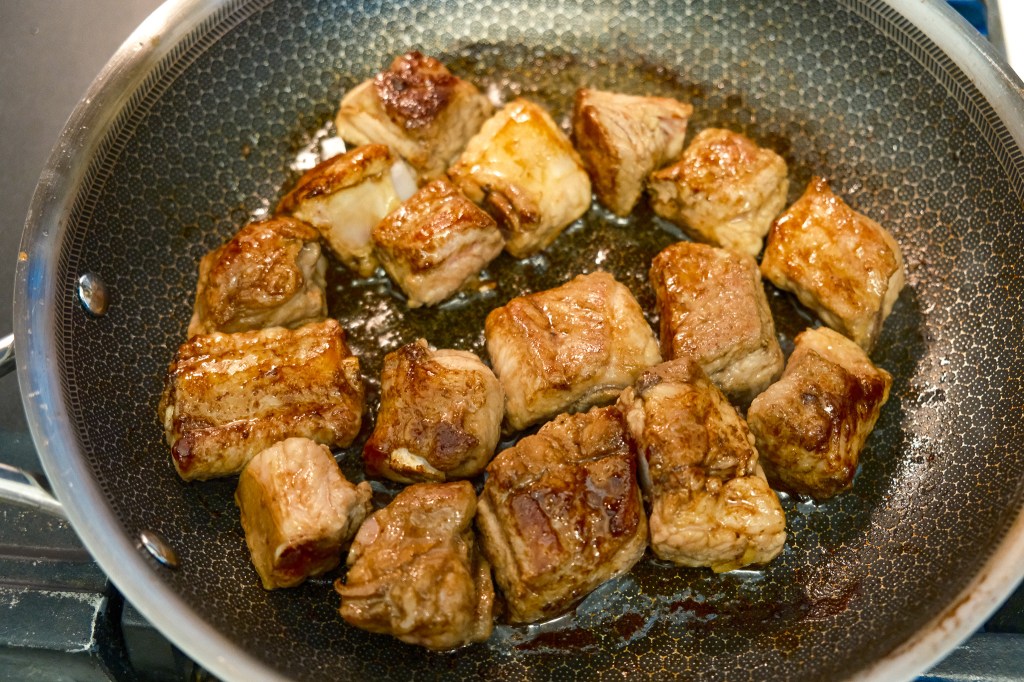
    5. Heat a pan with a little oil, sear the ribs on both sides until lightly browned, then remove and set aside. 热锅倒入适量食用油,放入排骨煎至两面微黄,捞出备用。

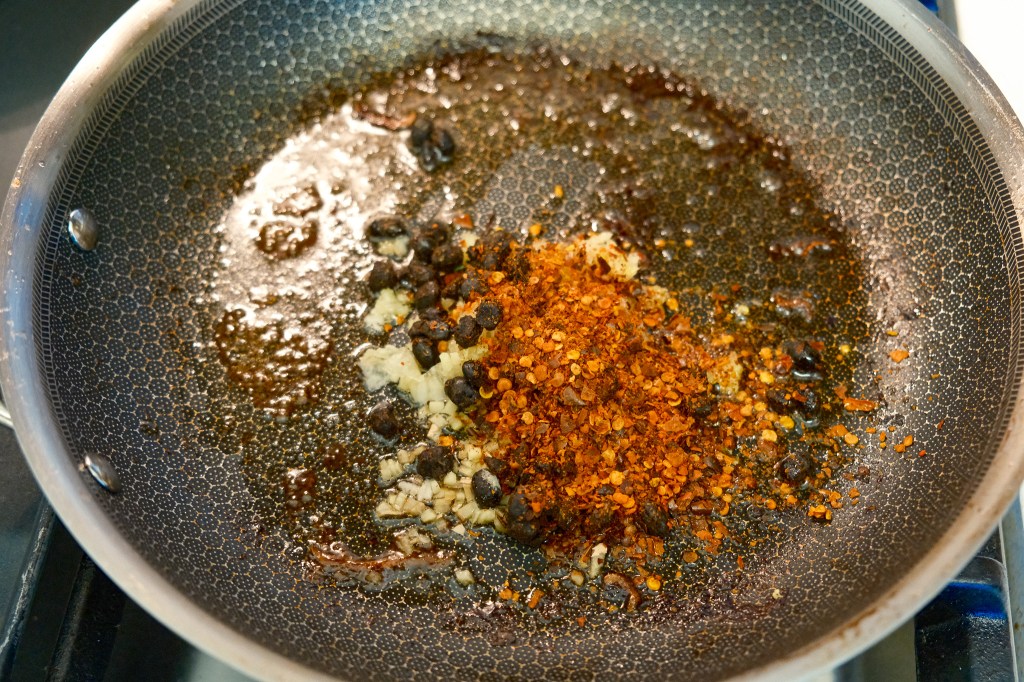
    6. Keep a bit of oil in the pan. Add minced ginger, minced garlic, fermented black beans (douchi), and chili powder. Stir-fry until fragrant. 锅中留少许底油,加入姜末、蒜末、豆豉和辣椒面炒香。

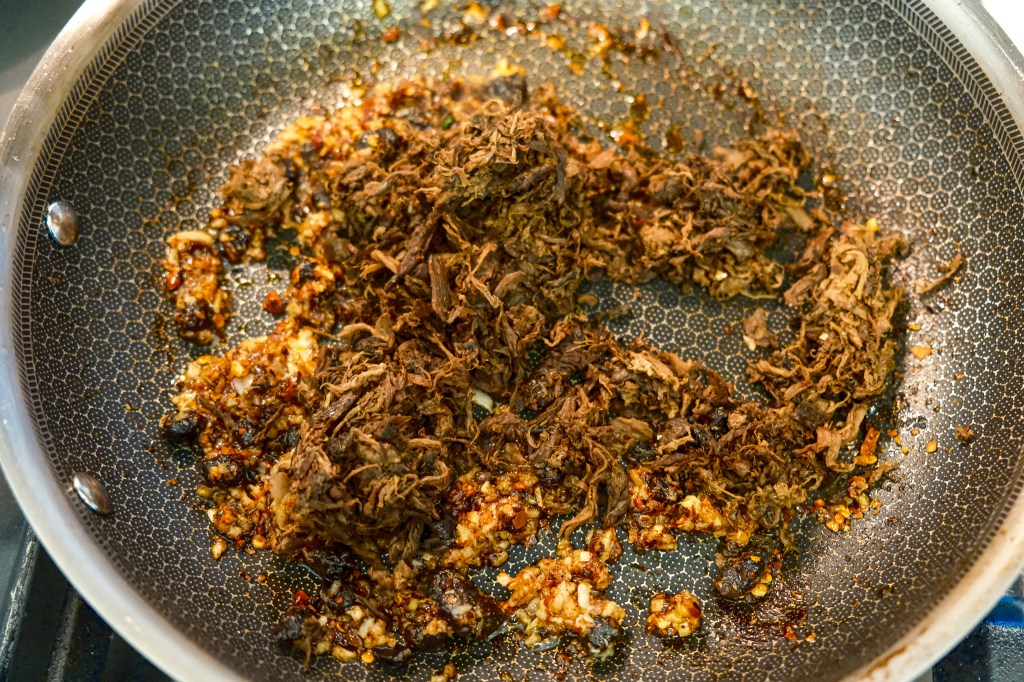
    7. Add the mustard greens, season with a little salt if needed (they are naturally salty, so adjust to taste). 倒入梅干菜翻炒,并根据口味酌情加少许盐调味(梅干菜本身略咸,可视情况调整)。

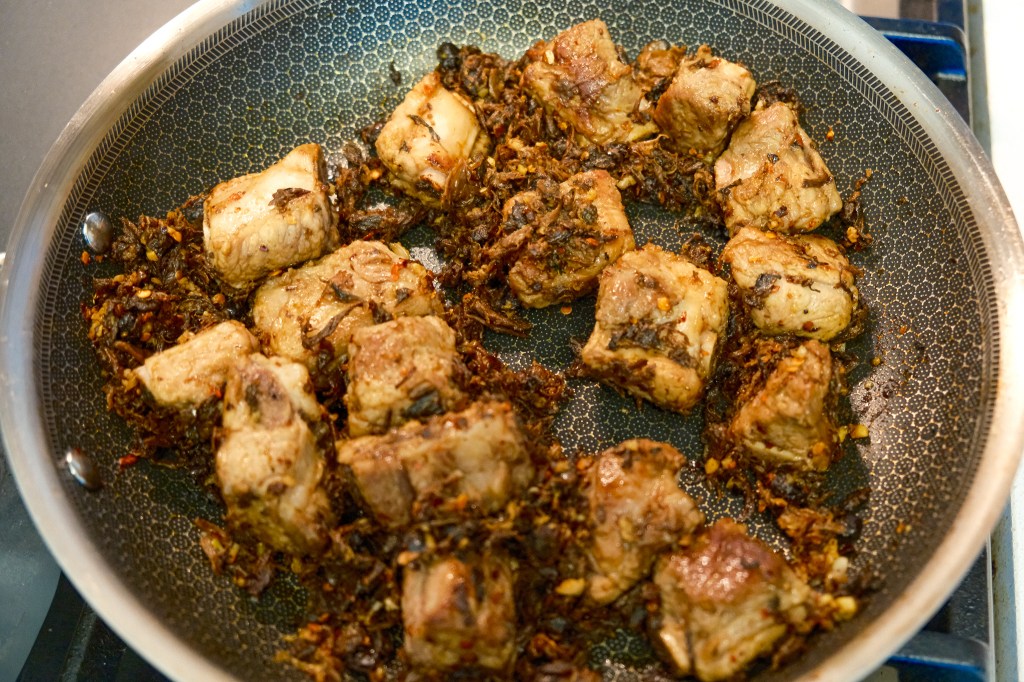
    8. Add the ribs back into the pan, toss to combine, then transfer everything into a heatproof bowl. 加入煎好的排骨翻炒均匀,然后将梅干菜排骨倒入耐热碗中。

    9. Place the bowl in a steamer with boiling water. Cover and steam over low heat for 1 hour. Remove from the steamer, sprinkle with chopped scallions, and serve hot. 蒸锅中水烧开后,将碗放入蒸锅,盖上锅盖,小火隔水蒸1小时。出锅后撒上葱花,即可享用。

    Voila! Bon appétit!

    Tips:

    • The most time-consuming part of this dish is preparing and marinating the spare ribs. You can make it easier by handling and marinating the ribs in advance over the weekend, then storing them in the fridge. When you’re ready to cook, just steam them together with the meigan cai, it’ll be much simpler. 这道菜比较麻烦的部分是处理和腌制排骨。可以提前在周末把排骨处理好、腌制好,然后放入冰箱冷藏备用。等到需要的时候,再和梅干菜一起蒸就行了,这样会简单许多。

  • Koong Karee (Shrimp Yellow Curry) 泰式咖喱虾

    Koong Karee (Shrimp Yellow Curry) 泰式咖喱虾

    TOTAL TIME: 40 minutes

    YIELD: 2 servings

    CALORIES: 770 kcal per serving

    SPICINESS:

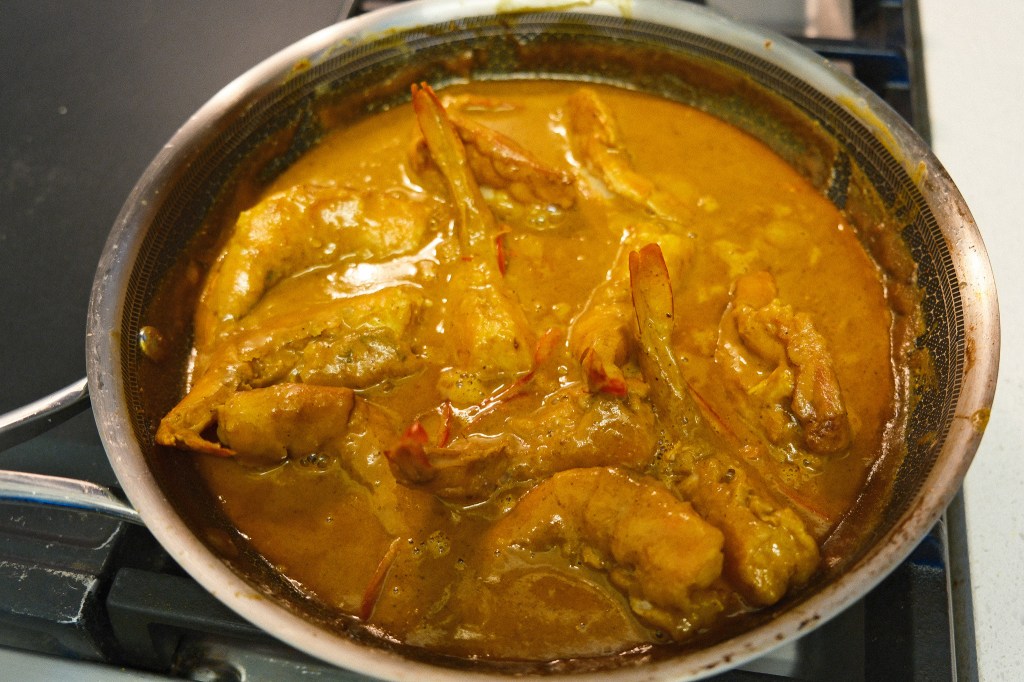
    Koong Karee is known for its rich, velvety sauce that clings beautifully to the prawns. I first tried this dish at Soothr, a Thai restaurant in New York, and was blown away by its bold yet balanced flavors. As one of their signature dishes, Soothr even notes that it’s not something you can find at just any Thai restaurant. Curious, I searched for recipes online, and this version comes remarkably close — about 80% of the taste and texture of the one I had at Soothr.


    INGREDIENTS 备菜

    Item 配菜Amount 用量
    Shrimp 虾1 pound
    Eggs 鸡蛋2
    Yellow Curry Paste 黄咖喱酱1 tbsp
    Yellow Curry Powder 咖喱粉1 tbsp
    Tom Yum Sauce 冬阴功酱1 tbsp
    Coconut Cream 椰浆300 ml
    Flour 面粉as needed
    Fish Sauce 鱼露4 tsp
    Brandy 白兰地2 tsp (optional)
    Oyster Sauce 蚝油2 tsp
    Sugar 糖2 tsp
    Butter 黄油1 tbsp
    Red Chili 红辣椒1 (optional)
    1. For a spicier version, you can replace the yellow curry paste with red curry paste or simply add some bird’s eye chilies. The yellow curry paste, tom yum paste, and curry powder I use are all common brands easily found on supermarket shelves in North America.
    2. Here we’re using coconut cream, not coconut milk — make sure to note the difference. About half of this dish’s calories come from the coconut cream. If you’re concerned about the calorie count, you can substitute it with coconut milk, though the sauce will be less thick and the texture won’t be as rich.
    3. Brandy is added when marinating the shrimp, but it’s optional if you don’t have any on hand.
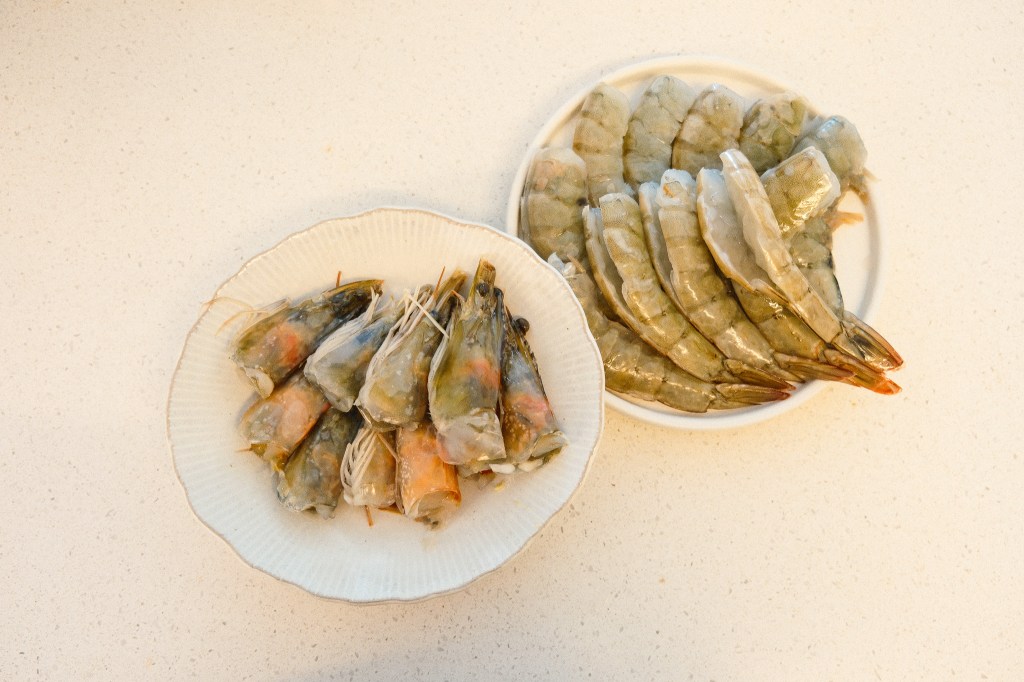
    1. 虾推荐用大只黑虎虾,比如Costco的这个。
    2. 如果喜欢吃辣的话,可以将黄咖喱酱替换成红咖喱酱,也可以自行加一些小米辣。黄咖喱酱,冬阴功酱以及黄咖喱粉我都是用北美超市货架上常见的。
    3. 我们这里用的是椰浆,不是椰奶,注意下。这道菜一半的热量都是来自于椰浆,如果介意热量的话,可以换成椰奶,但是椰奶不如椰浆浓稠口感上会打折扣。
    4. 白兰地是腌制虾的时候加入的,但是没有的话也可以。

    INSTRUCTIONS 做法

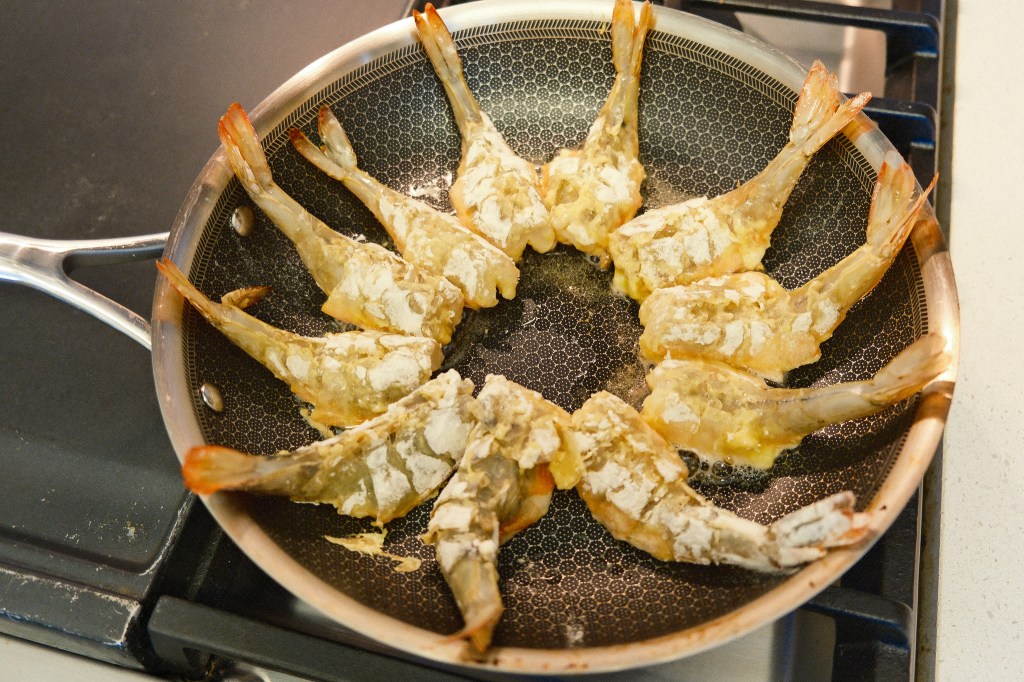
    1. Remove the heads of the shrimp, cut along the back, and devein. For easier eating, you may peel off the shells and leave only the tails (in this recipe, the shells are kept). 将虾去头,背部剪开,去掉虾线。如果想吃起来更方便,也可以把外壳剥掉,只保留尾部。(这里我保留了虾壳)

    2. Marinate the cleaned shrimp with 4 tablespoons of fish sauce and 2 tablespoons of brandy (optional) for 10 minutes. 处理好的虾用4勺鱼露和2勺白兰地拌匀,腌制10分钟。

    3. Beat the eggs and prepare a small amount of flour. 鸡蛋打散,面粉倒入少许备用。

    4. Gently open the shrimp backs, dip them in the beaten egg, then coat evenly with flour. Reserve the remaining egg mixture for later. 将虾背部掰开,先蘸蛋液,再均匀裹上面粉。剩余蛋液留作后用。

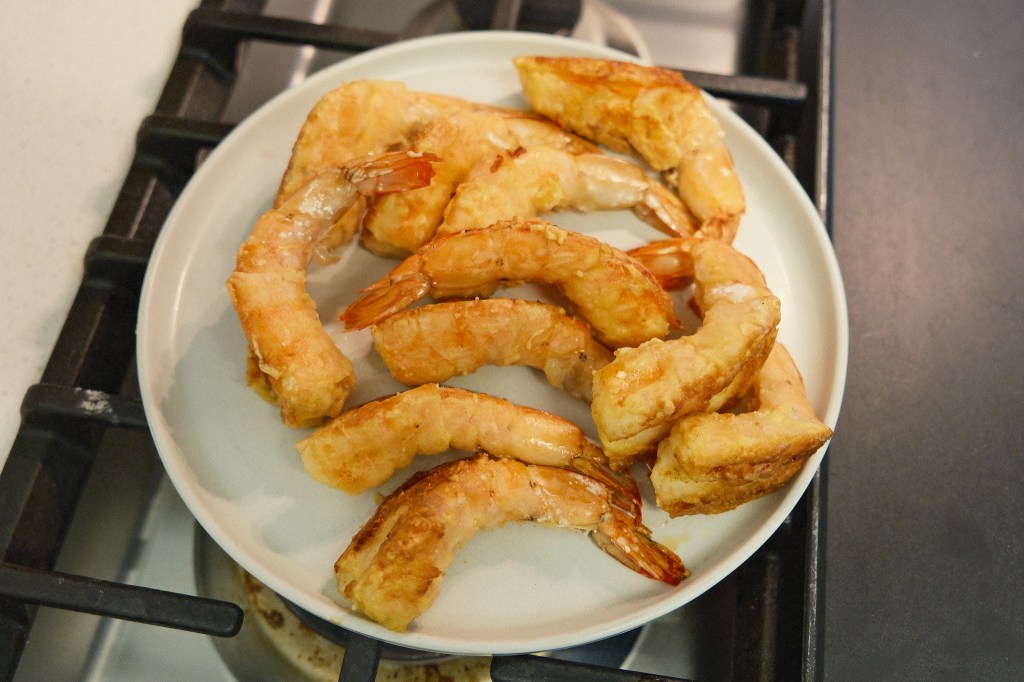
    5. Heat a little oil in a pan. Pinch the shrimp heads and tails together, place them back-side down, and fry until set. 锅中放少许油,将虾头尾捏在一起,背部朝下,油炸至定型。

    6. Then fry the sides until golden brown. Remove the shrimp and set aside. 再把虾两侧炸至金黄色,乘出备用。

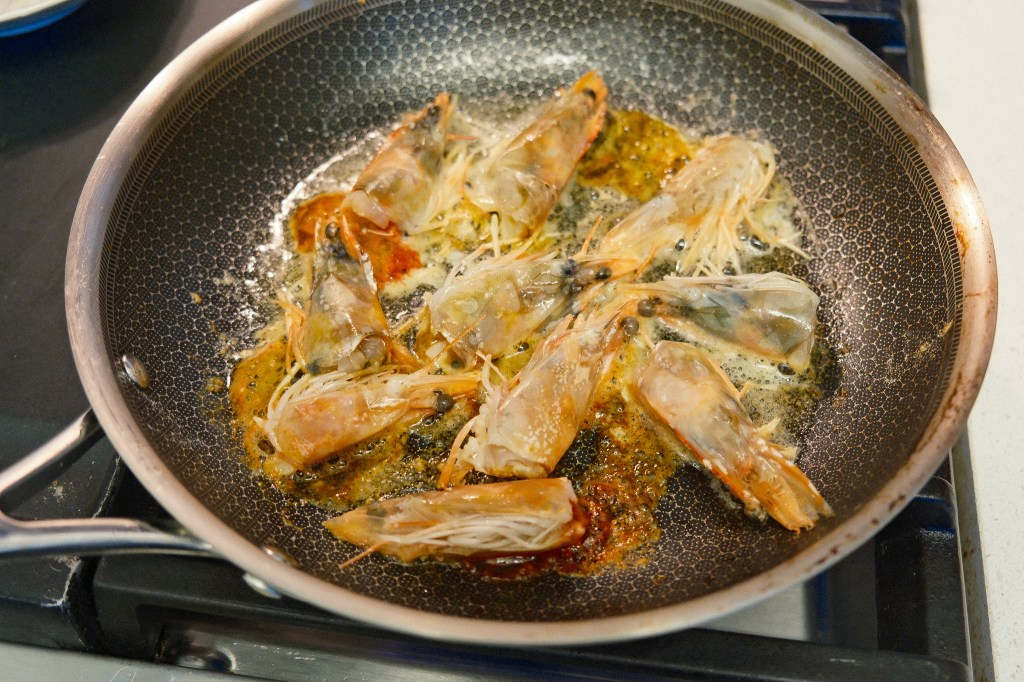
    7. Melt butter and add the shrimp heads, frying until the rich shrimp oil is released (this step is optional). 另起锅,放入黄油加热,倒入虾头,煸出虾油(这步也可省略)。

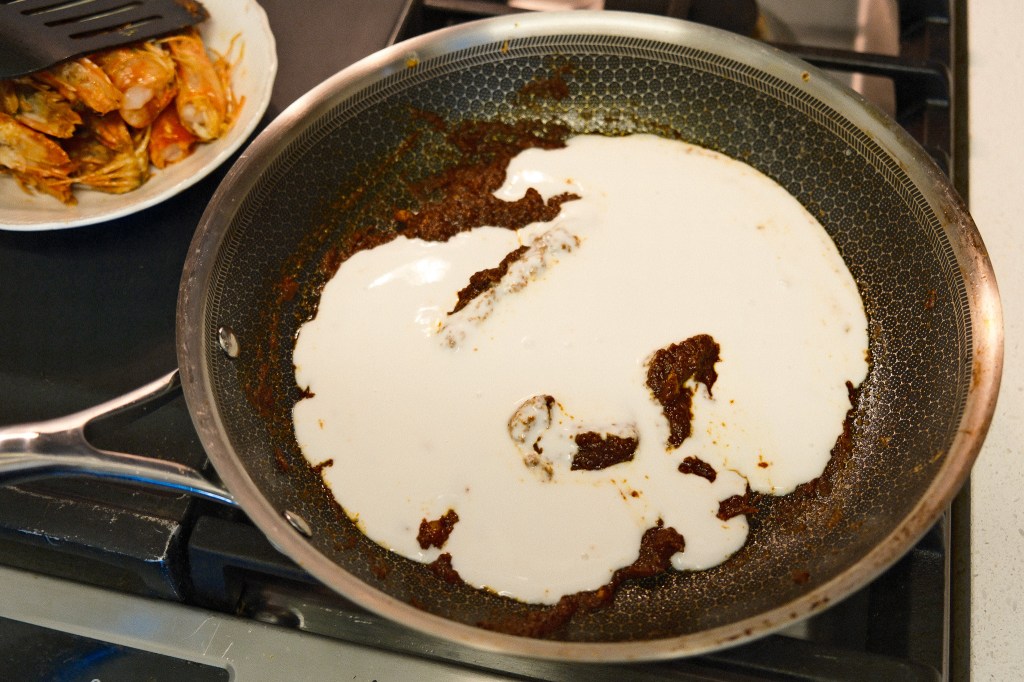
    8. Add 1 tablespoon yellow curry paste and 1 tablespoon tom yum paste. Stir well. 加入1大勺黄咖喱酱和1大勺冬阴功酱,炒匀。

    9. Pour in 250 ml coconut milk and mix until smooth. 倒入250毫升椰浆,搅拌均匀。

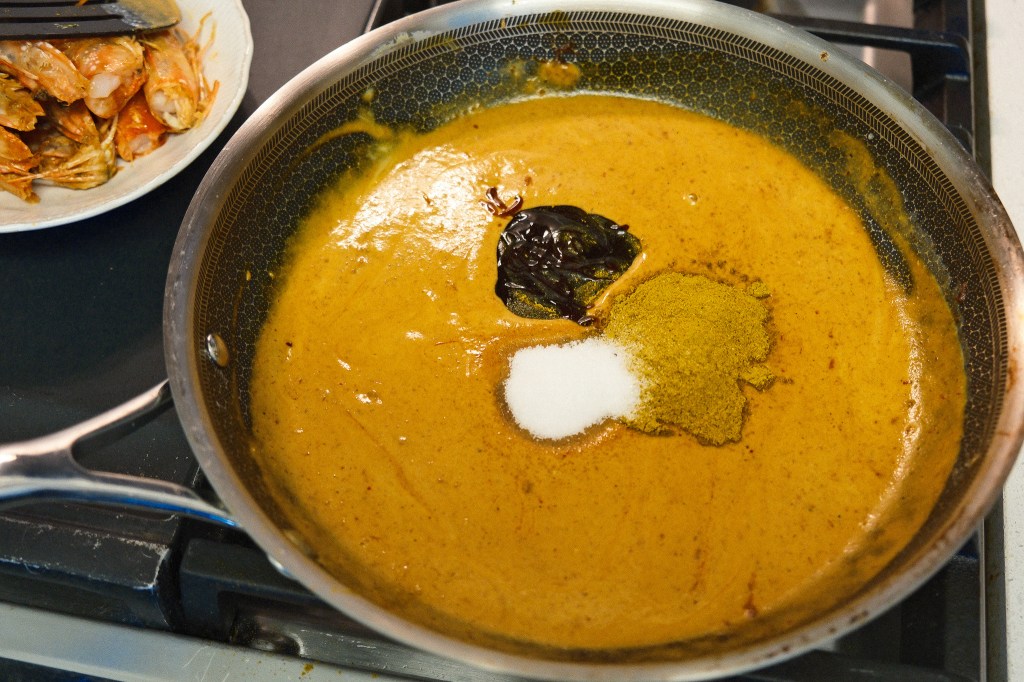
    10. Add 1 tablespoons curry powder, half a small bowl of water, 2 teaspoons oyster sauce, and 2 teaspoons sugar. Stir and bring to a boil over high heat. 加入2大勺咖喱粉、小半碗清水、2勺蚝油和2勺糖,拌匀,大火煮开。

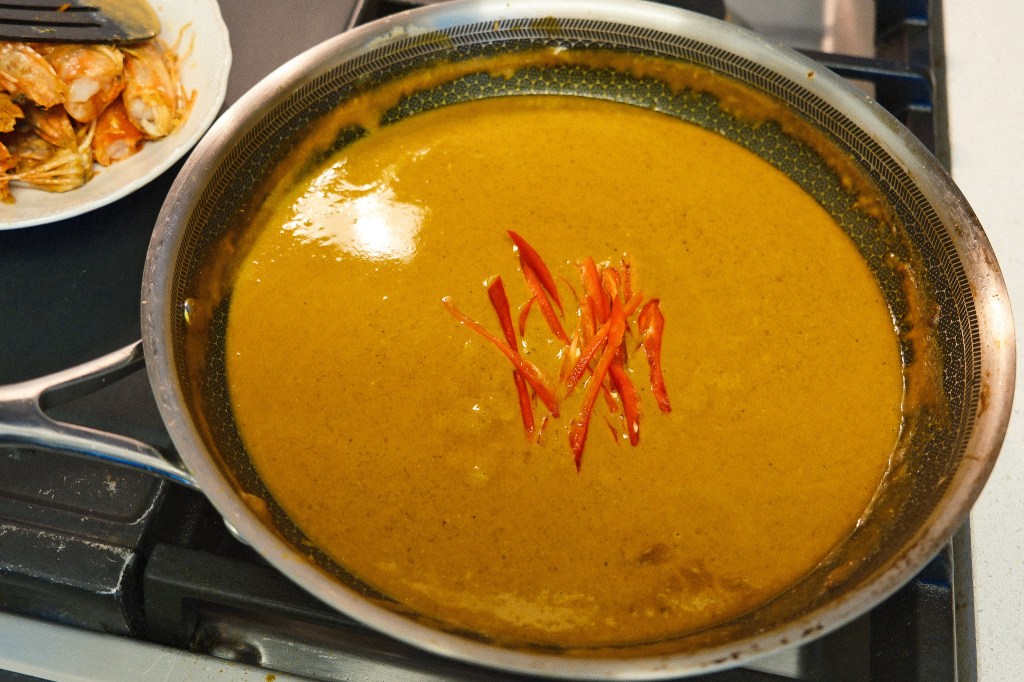
    11. Add the red chilies (this step is optional). 加入红辣椒丝,但可省略。

    12. Add the fried shrimp and simmer over low heat for 2 minutes. Remove the shrimp and set aside. 放入炸好的虾,小火煮2分钟。将虾捞出备用。

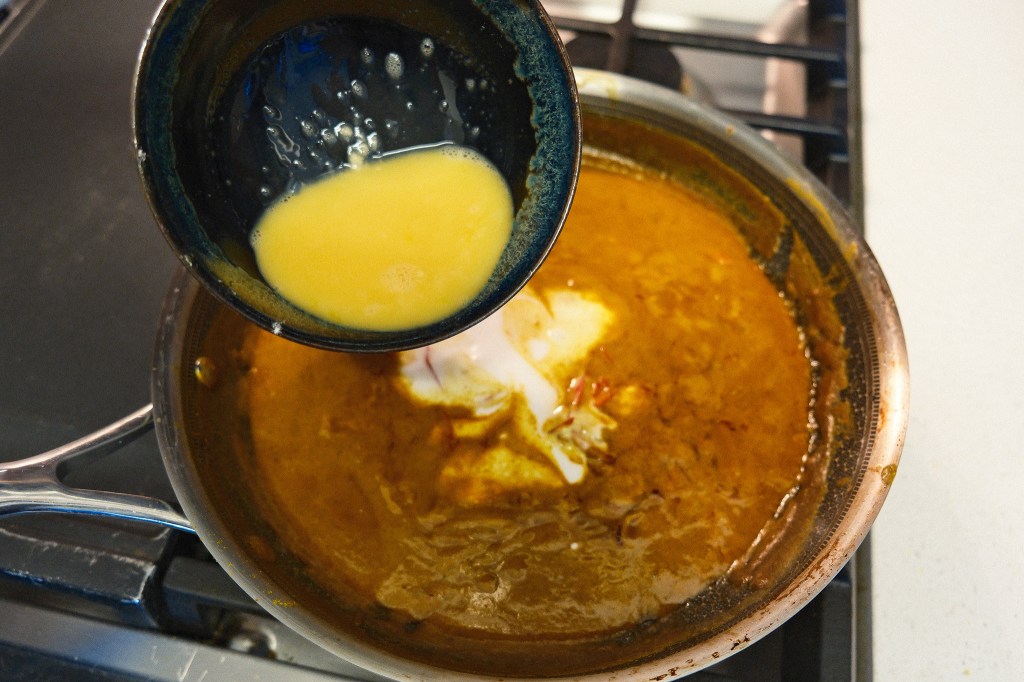
    13. Mix the reserved egg mixture with the remaining 50 ml coconut milk. Pour the egg mixture into the curry sauce. Bring to a boil and stir continuously until the eggs slightly set and the sauce thickens to a creamy consistency. Pour the thickened curry sauce evenly over the shrimp and serve. 把剩余的蛋液与最后的50毫升椰浆混合均匀。将蛋液倒入咖喱酱中。大火煮开,用锅铲不断翻炒,直到蛋液微微凝固,酱汁变得粘稠。最后将浓稠的咖喱酱均匀淋在大虾上即可。

    Voila! Bon appétit!

    Tips:

    • Since the flavor of Thai curry pastes and sauces can vary slightly by brand, you can adjust the main seasonings—yellow curry paste, tom yum paste, curry powder, and coconut milk—after adding them to suit your taste. 不同品牌的泰式酱料口味可能略有差异,因此黄咖喱、冬阴功酱、咖喱粉以及椰浆这些主要香料加入后可以根据口味适当调整。
    • Before serving, feel free to add some vegetables of your choice. Besides pairing with rice, you can also toast some bread slices and use them to soak up the sauce. 出锅前可以加入一些自己喜欢的蔬菜。除了搭配米饭,还可以烤些面包片蘸着酱汁一起吃。
    • If you enjoy more heat, add a bit of chili powder. 如果能吃辣,可以额外加入一些辣椒粉。

  • Garlic Vermicelli Shrimp 蒜蓉粉丝虾

    Garlic Vermicelli Shrimp 蒜蓉粉丝虾

    TOTAL TIME: 25 minutes

    YIELD: 2 servings

    CALORIES: 320 kcal per serving

    SPICINESS:

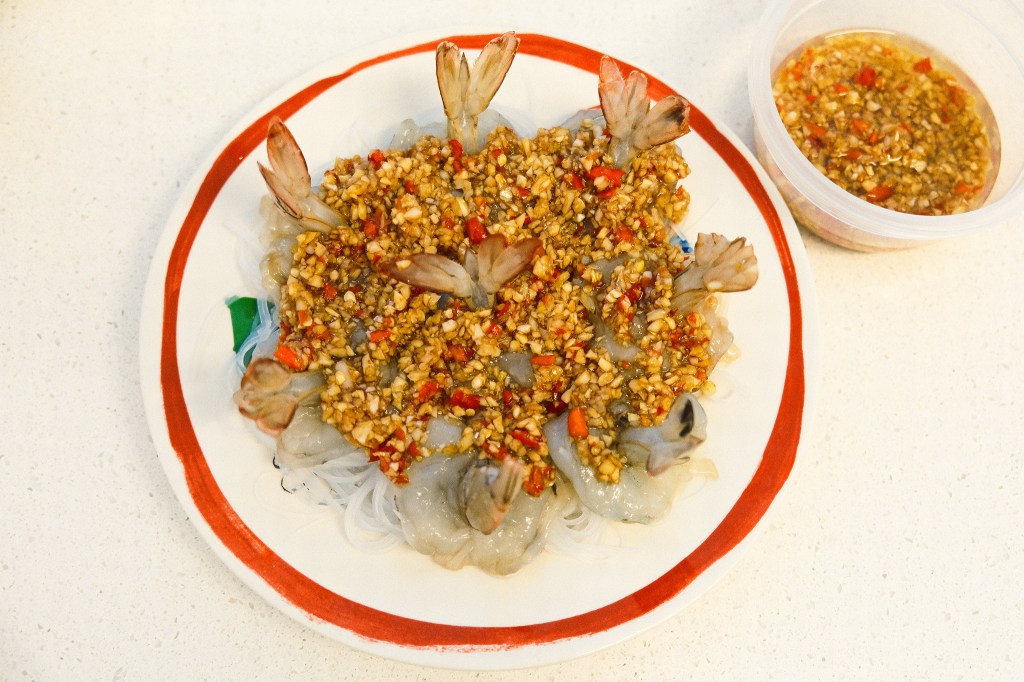
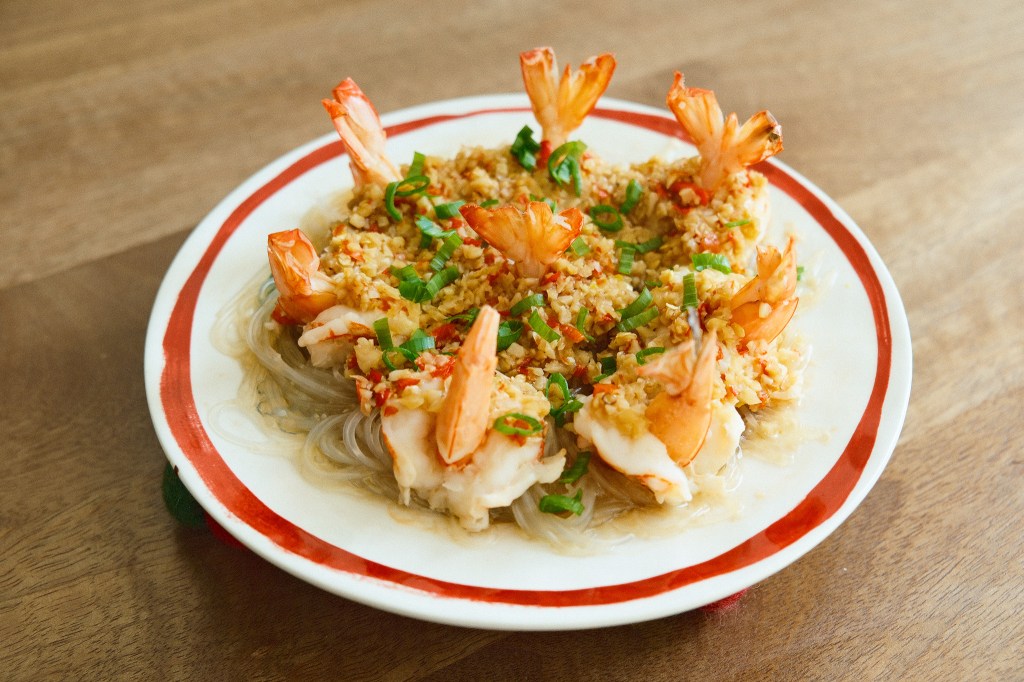
    A Cantonese favorite often served at family banquets and holiday feasts. Tender shrimp are steamed over vermicelli that soaks up all the garlicky, savory juices, creating a dish that’s aromatic, flavorful, and irresistibly satisfying.


    INGREDIENTS 备菜

    Item 配菜Amount 用量
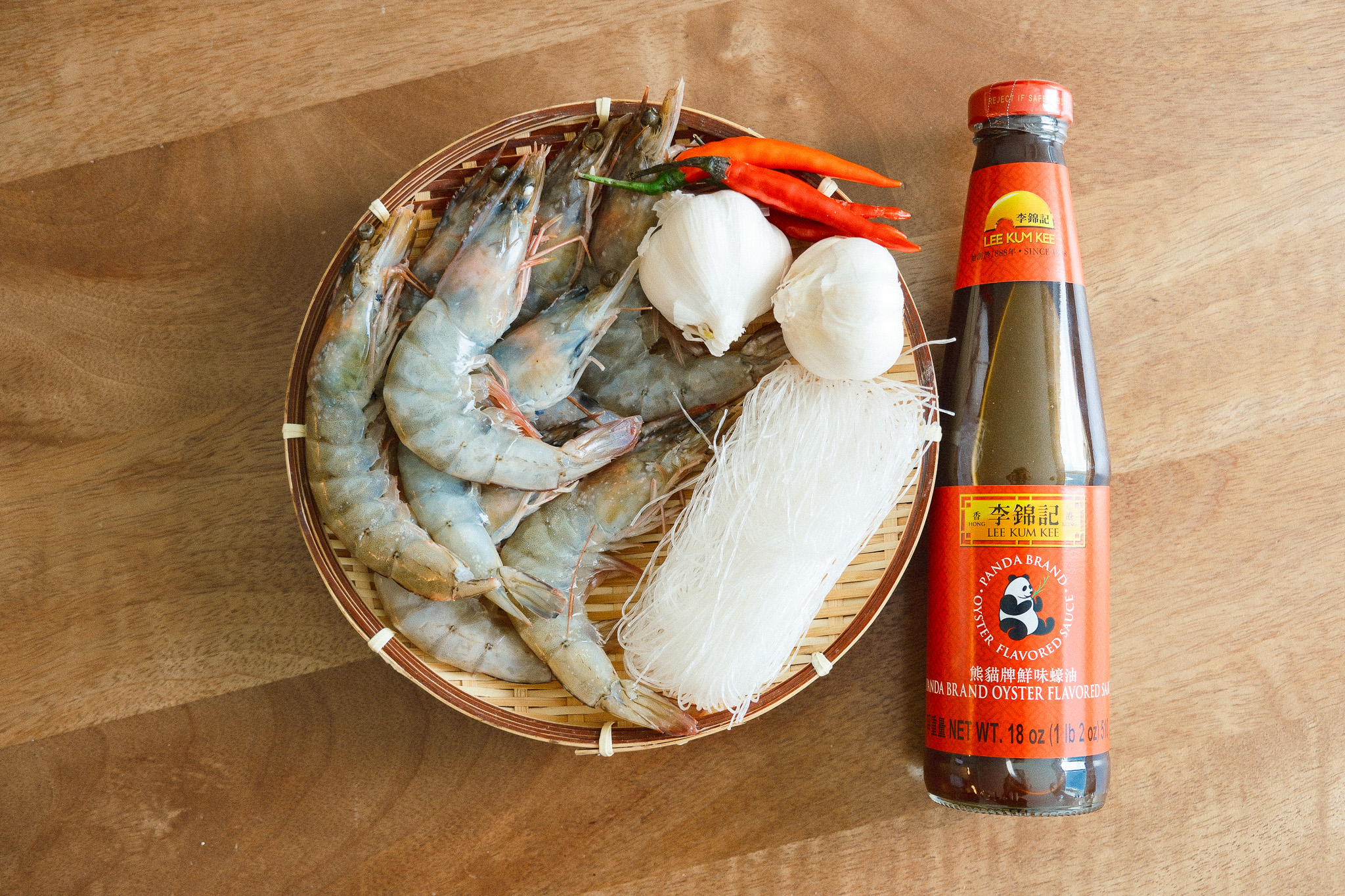
    Shrimp 虾8 pieces
    Vermicelli 粉丝1 bundle
    Garlic 蒜2 heads
    Bird’s Eye Chilies 小米辣1 – 3
    Oyster Sauce 蚝油1 tbsp
    Light Soysauce 生抽2 tbsp
    Sugar 糖1 teaspoon
    Salt 盐1 teaspoon
    Cooking Oil 食用油45 g
    1. Recommend buying head-on shrimp from Costco, which is much fresher than the pre-packaged ones at regular supermarkets. The shrimp heads can also be used to make shrimp oil. Whole Foods usually doesn’t carry head-on shrimp.
    2. Cut the chili and garlic into smaller pieces to make them easier to blend in a food processor.
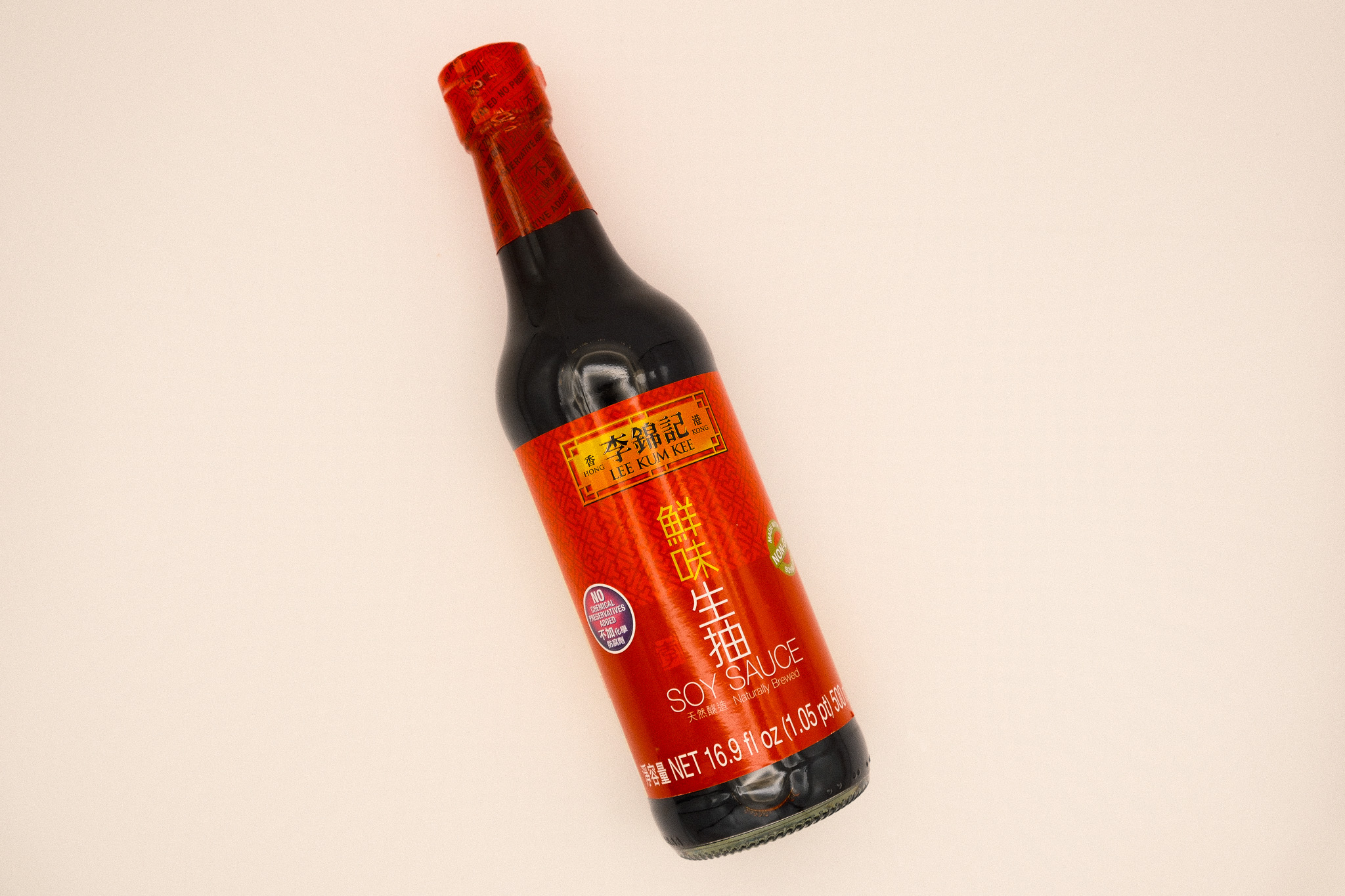
    3. You can use the oyster sauce and light soy sauce shown in the picture as a reference for purchase.
    1. 虾推荐购买 Costco 的带头虾,比一般超市盒装的要新鲜很多,虾头还能用来煸虾油。Whole Foods 通常没有带头虾。
    2. 虾去头去壳,仅保留尾部最后一节虾壳。
    3. 将辣椒和蒜稍微切小一些,方便料理机打碎。
    4. 蚝油和生抽可以参考图片中的品牌购买。

    INSTRUCTIONS 做法

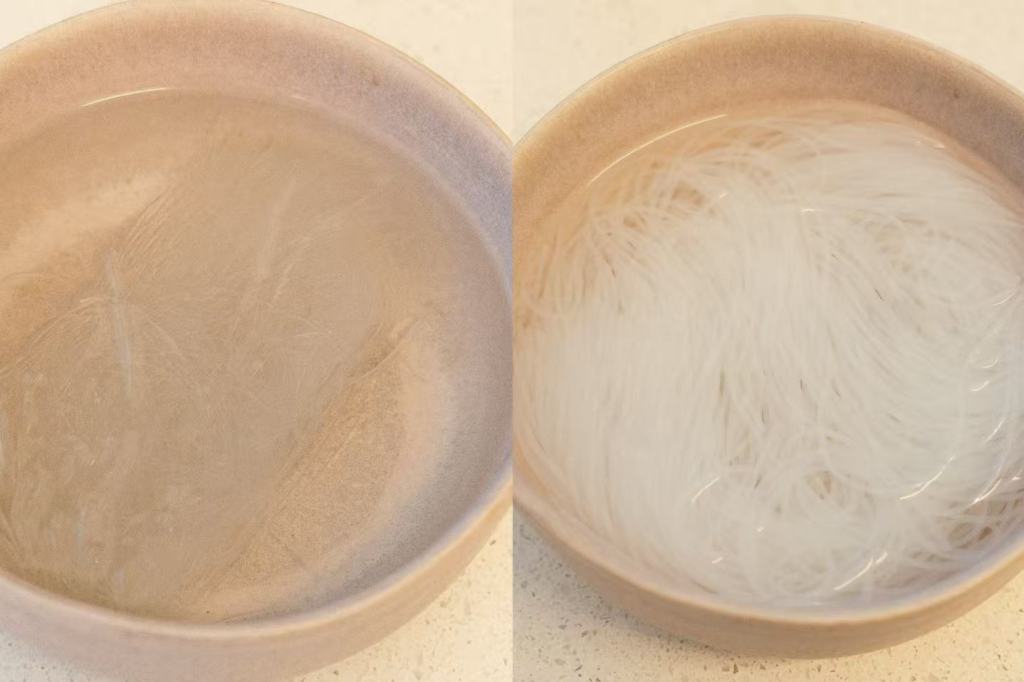
    1. Soak the vermicelli in warm water until softened; once ready, the noodles will turn from translucent to milky white with a springy texture. 粉丝用温水泡软,泡开后的粉丝由透明变成乳白色,并带有弹性。

    2. Devein the shrimp. 去除虾线。

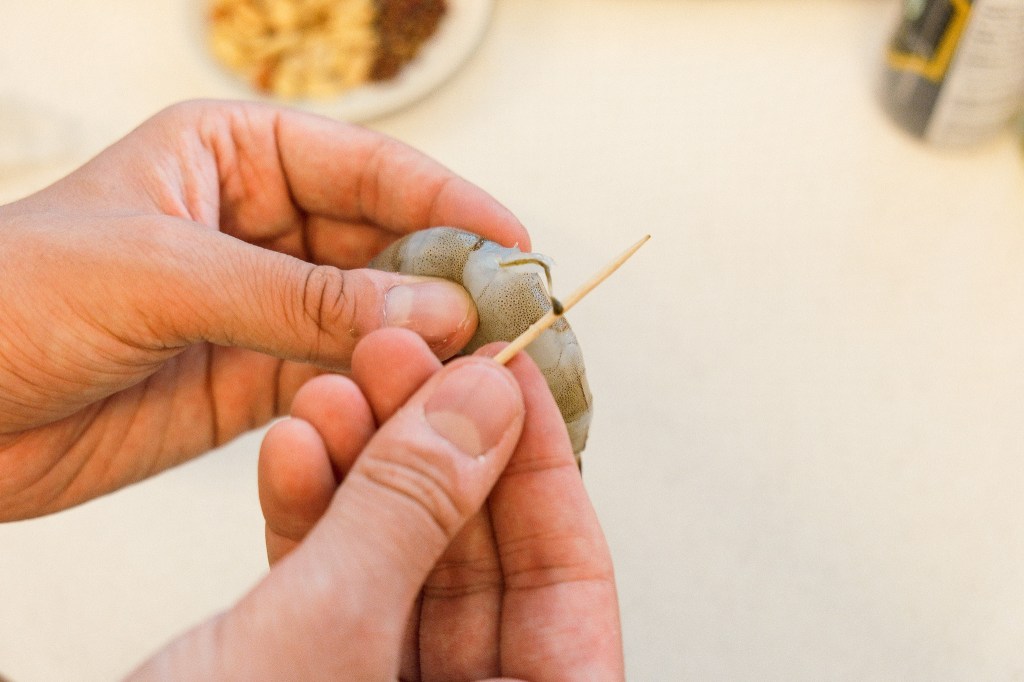
    3. Make a slit along the back of each shrimp, cut a small hole in the middle, and thread the tail through to create a decorative shape. 在虾背部划一刀,在中间切一个小口,将虾尾从小口穿过,做出造型。

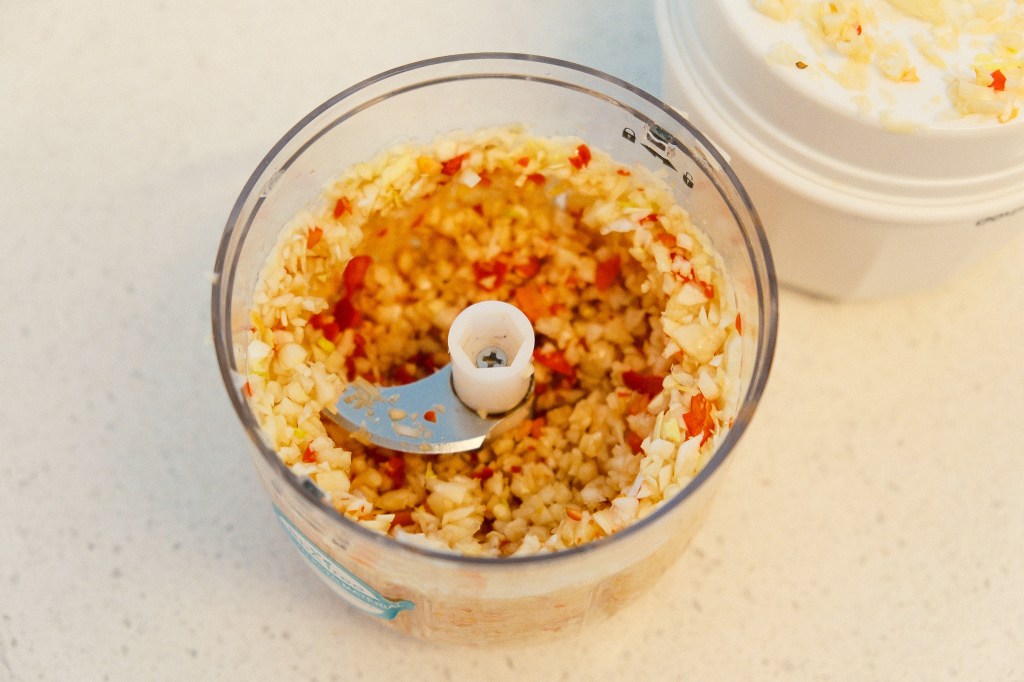
    4. Blend bird’s eye chili and garlic into a fine paste using a food processor. 小米辣与大蒜用料理机打碎成末。

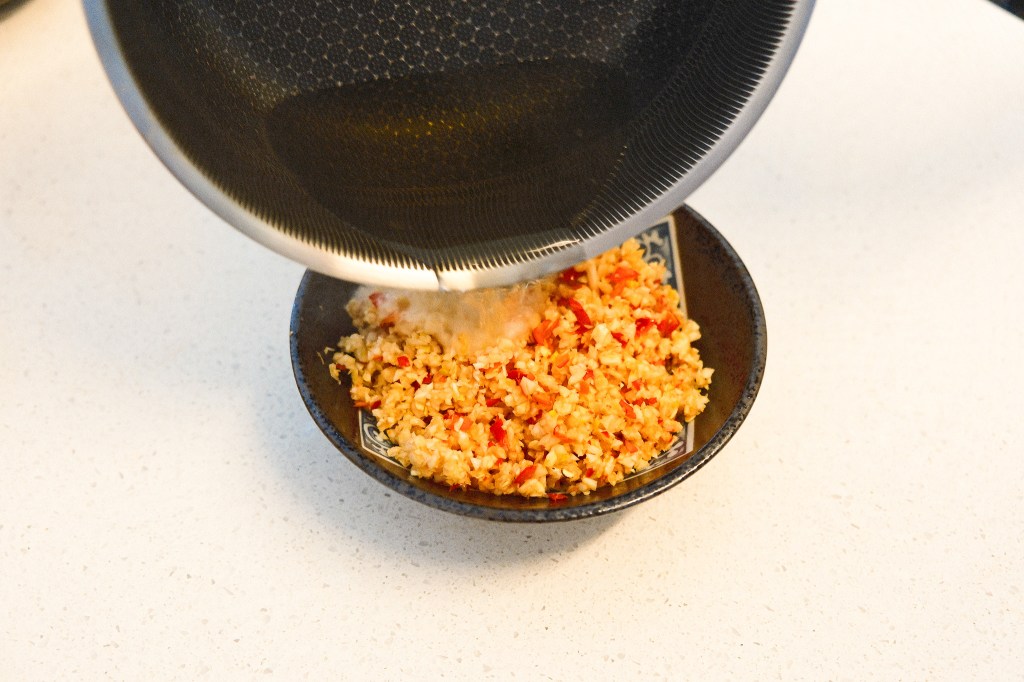
    5. Heat oil until hot, then pour it over the mixture. 热油淋入蒜蓉末。

    6. Add 2 tablespoons light soy sauce, 1 tablespoon oyster sauce, 1 teaspoon sugar, and a pinch of salt. Mix well to make the garlic sauce. 加入2勺生抽、1勺蚝油、1茶勺白糖和少许盐,搅拌均匀,制成蒜蓉酱。

    7. Wrap softened vermicelli around your fingers into small bundles and arrange neatly on a plate. 将泡好的粉丝在手指上绕几圈,整齐放入盘中。

    8. Place the shrimp on top of the vermicelli and spread the garlic sauce evenly over the shrimp. Any extra sauce can be refrigerated for later use. 把处理好的虾依次放在粉丝上,并将蒜蓉酱均匀铺在虾身上。剩余的蒜蓉酱可冷藏保存备用。

    9. Bring water to a boil in a steamer, steam the dish over high heat for 10 minutes, and serve hot. 水开后放入蒸锅,大火蒸10分钟即可出锅。

    Voila! Bon appétit!

    Tips:

    • The leftover garlic sauce can also be used to steam scallops for an equally delicious result, or served as a dipping sauce for grilled oysters. 剩余的蒜蓉酱还可以用来蒸扇贝,同样鲜美;或者当作烤生蚝的蘸料,也很好吃。
  • Spicy & Sour Shredded Potatoes 酸辣土豆丝

    Spicy & Sour Shredded Potatoes 酸辣土豆丝

    TOTAL TIME: 20 minutes

    YIELD: 2 servings

    CALORIES: 250 kcal per serving

    SPICINESS:

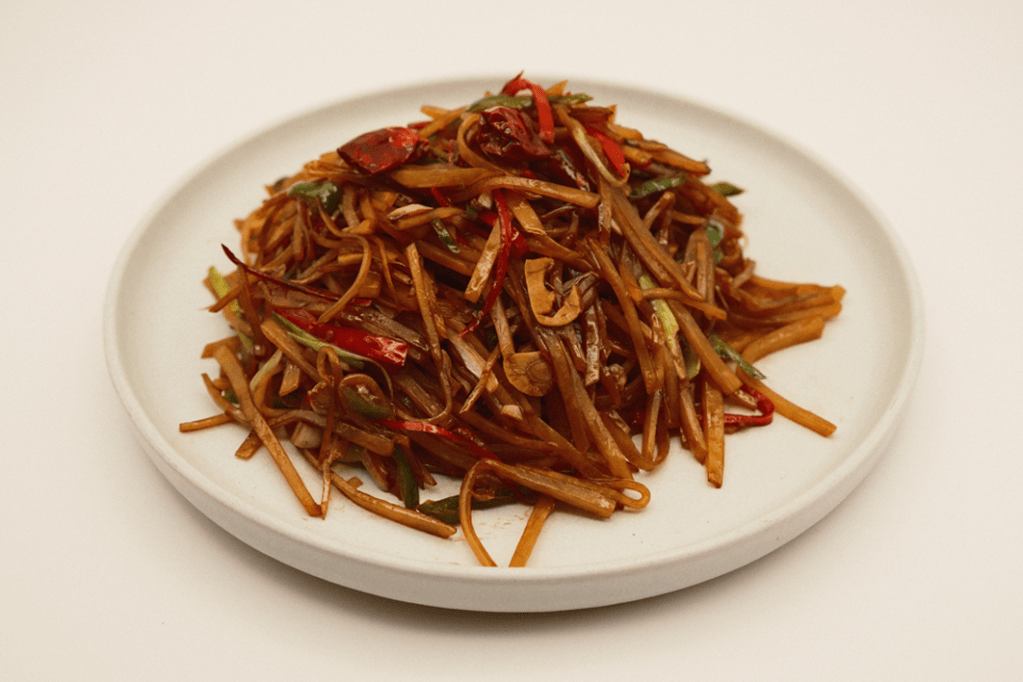
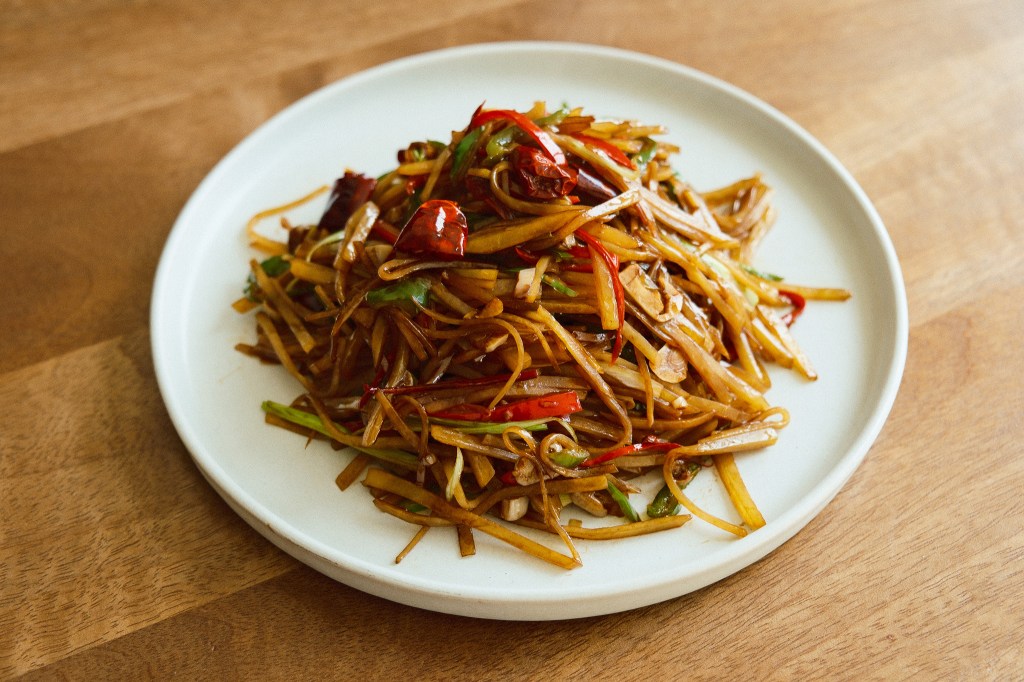
    A classic home-style dish rooted in Sichuan cuisine and beloved across China. Known for its tangy, spicy, and crisp taste, it features potatoes as the main ingredient, complemented by chili peppers, vinegar, and other seasonings. Its history can be traced back to the Ming dynasty, after potatoes were first introduced to China. The finished dish is bright in color, refreshing in texture, and perfectly balanced in sourness and heat — and it can also serve as a light, low-fat option.


    INGREDIENTS 备菜

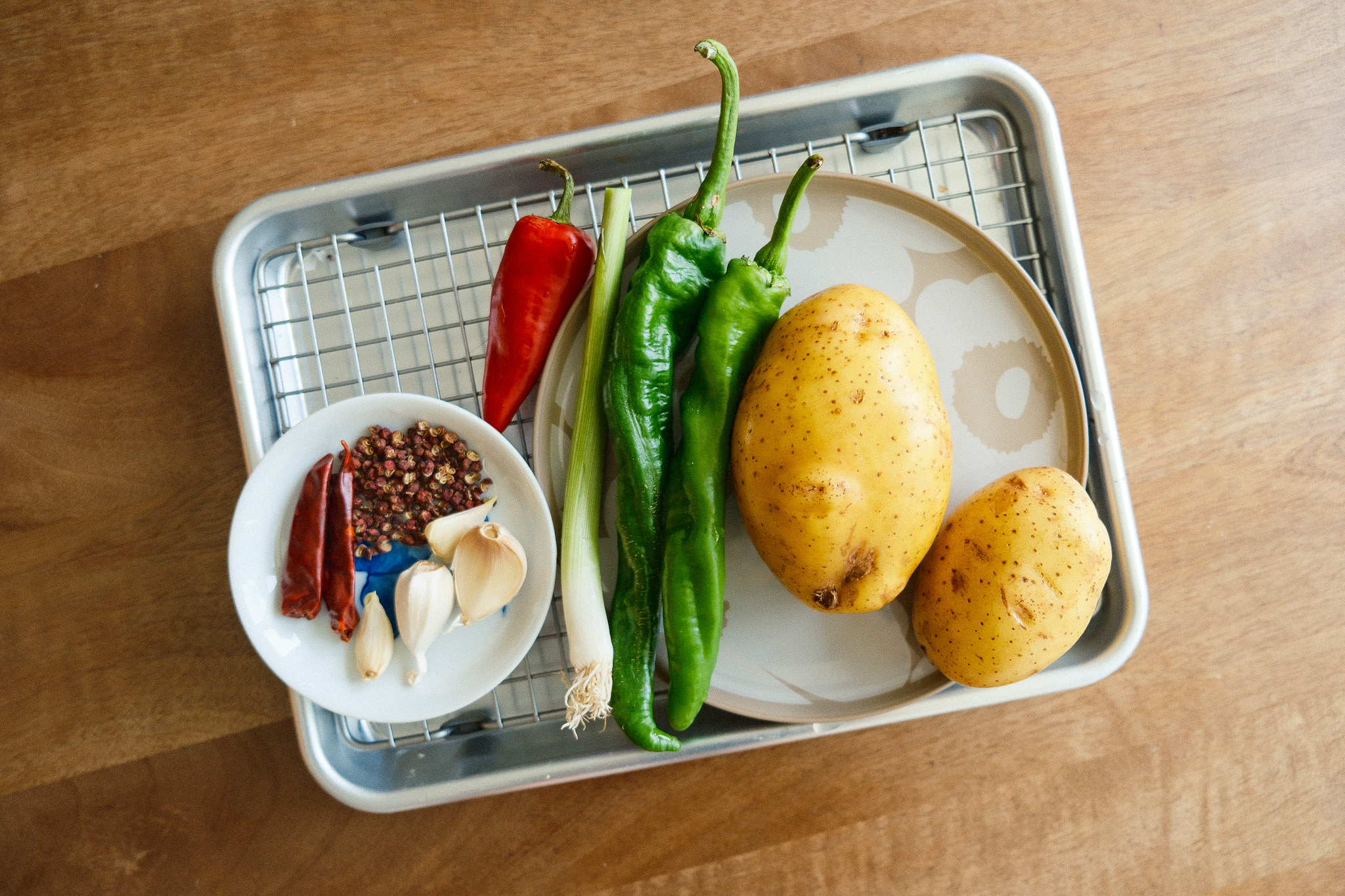
    Item 配菜Amount 用量
    Potatoes 土豆500 g
    Scallions 葱15 g
    Garlic 蒜3 – 5 cloves (20 g)
    Green Chili Pepper 青椒2 (65 g)
    Red Chili Pepper 红辣椒1 (40 g)
    Dried Red Chili 干辣椒2
    Sichuan Peppercorn 花椒2 g
    Light Soysauce 生抽2 tbsp
    Dark Soysauce 老抽3 g
    Sugar 糖3 g (1 teaspoon)
    Salt 盐3 g (1 teaspoon)
    Chicken Bouillon Powder 鸡精3 g (1 teaspoon)
    White Vinegar 白醋10 g (1 tbsp)
    Aged Vinegar 陈醋20 g (2 tbsp)
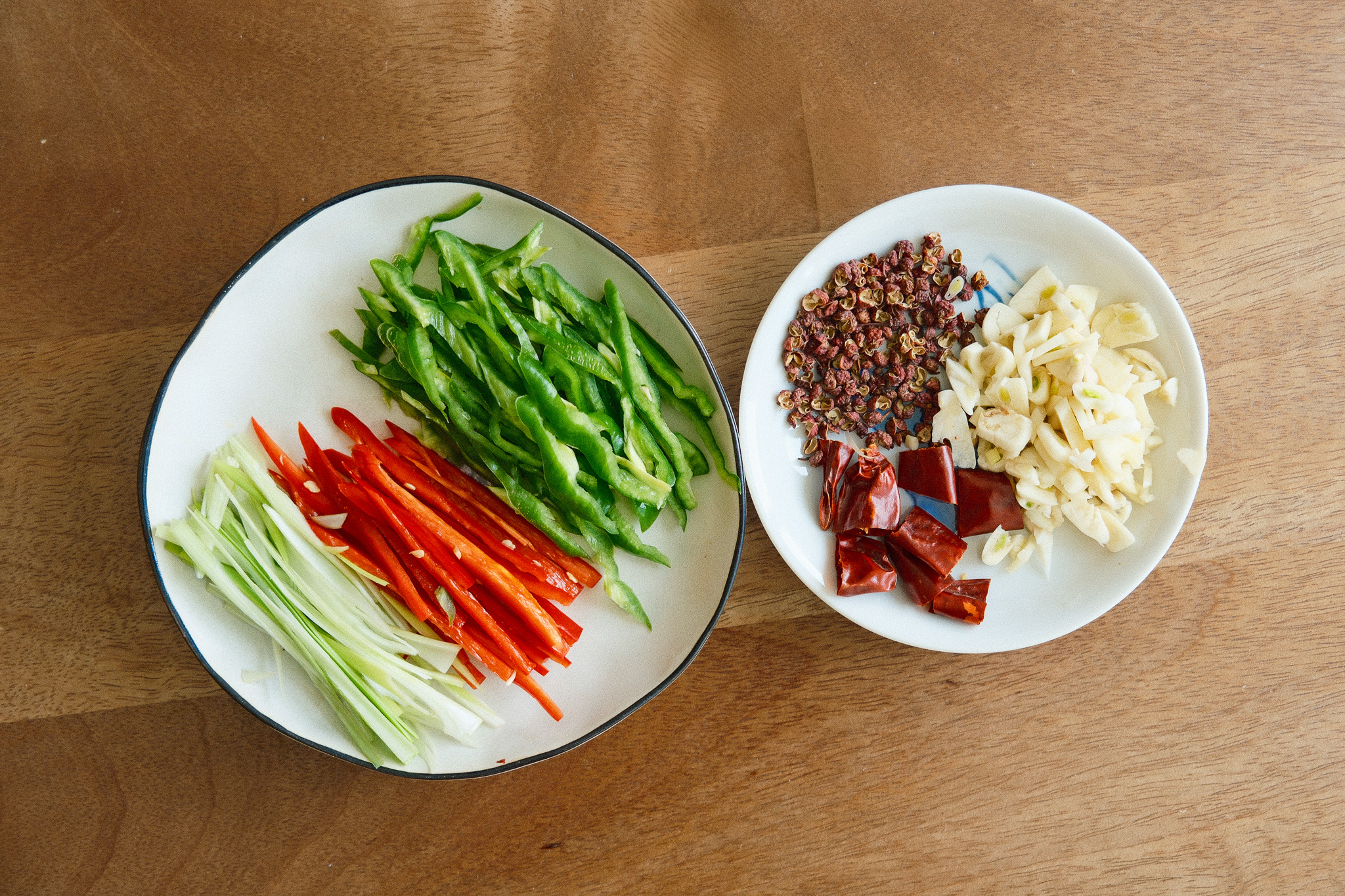
    1. Slice the garlic and set aside together with the red chili strips.
    2. Prepare scallion whites cut into thin strips or segments. If available, substitute with cilantro stems for extra aroma.
    3. White vinegar is clear or milky in color with a sharp acidity, while aged vinegar (Chen Cu) is dark brown with a mellow sourness and distinctive aroma. If needed, white vinegar and aged vinegar can be used interchangeably — having one is enough. That said, both types are usually available in Asian supermarkets.
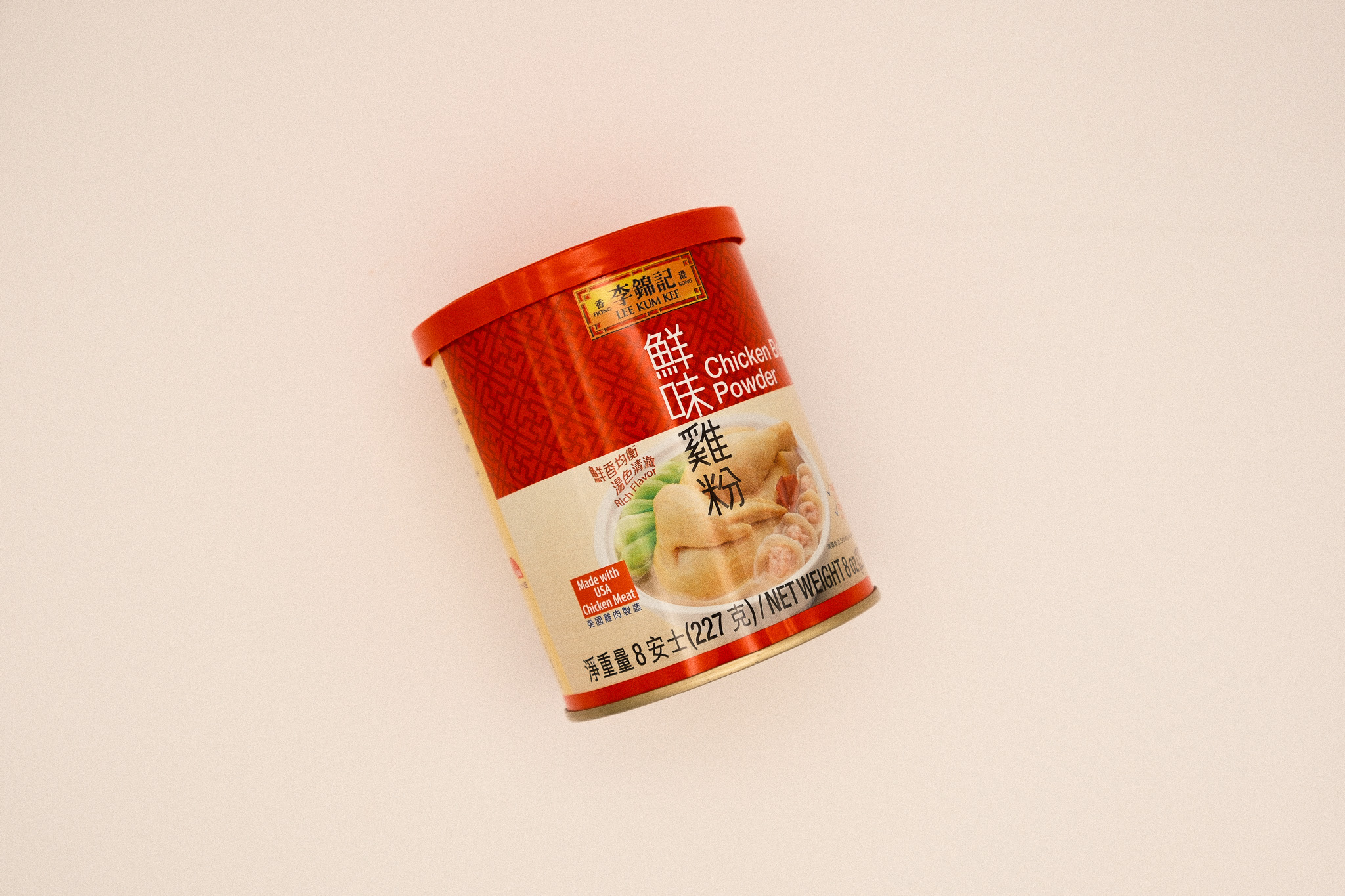
    4. Chicken bouillon powder is a common Chinese seasoning and can also be easily found in Asian supermarkets.
    1. 将两个去蒂去籽的薄皮青椒剖开后斜切成丝;红辣椒同样切丝。可根据个人口味加入一些干辣椒段,这样既能带来干辣的香气,也有鲜辣的味道。
    2. 大蒜切片,与红辣椒丝放在一起备用。
    3. 可准备一些葱白切丝或切段,有条件的话可以换成香菜梗,味道更好。
    4. 白醋呈透明或乳白色,酸味较为刺激;陈醋则色泽深褐,酸味醇厚并带有独特香气。如果条件有限,白醋和陈醋可互相替代,任选其一即可。不过在大多数亚洲超市里,这两种醋都能买到。
    5. 鸡精是常见的中式调味料,在亚洲超市也很容易找到。

    INSTRUCTIONS 做法

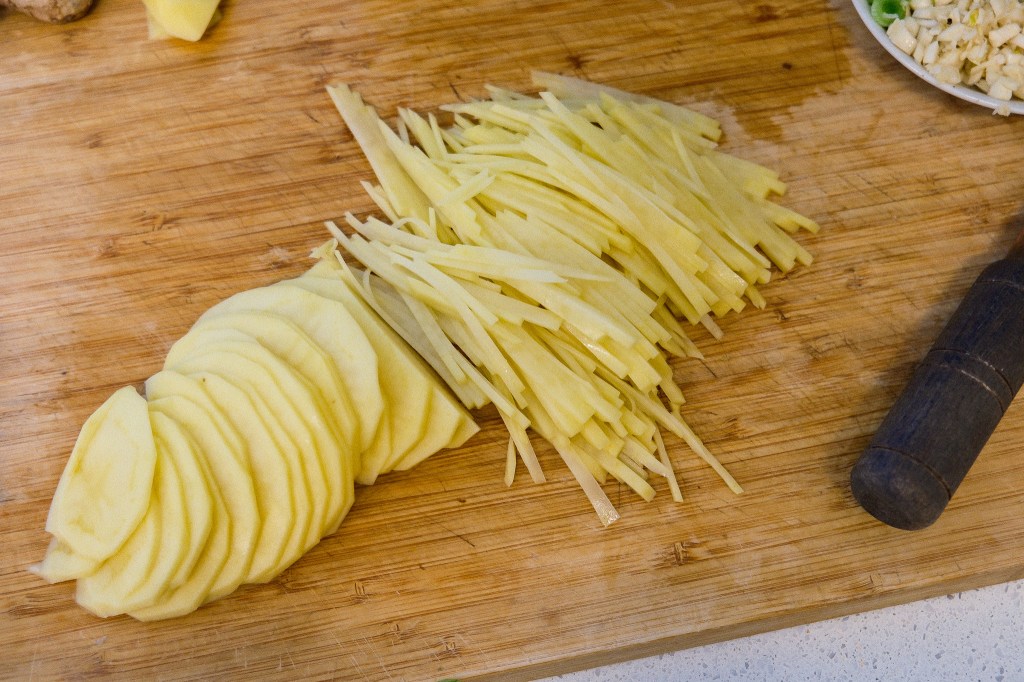
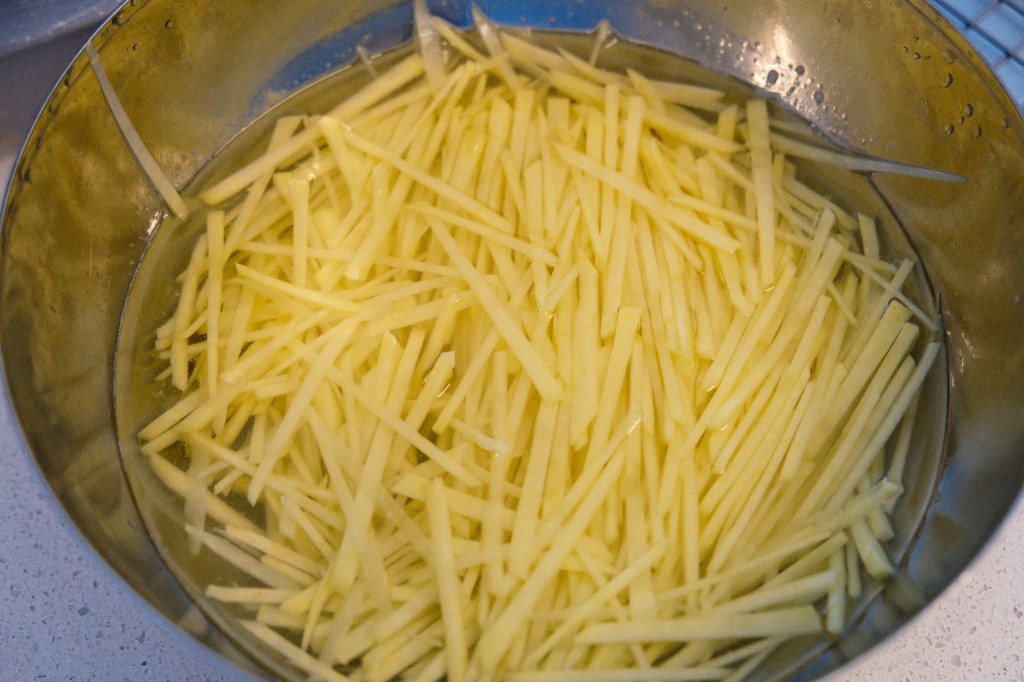
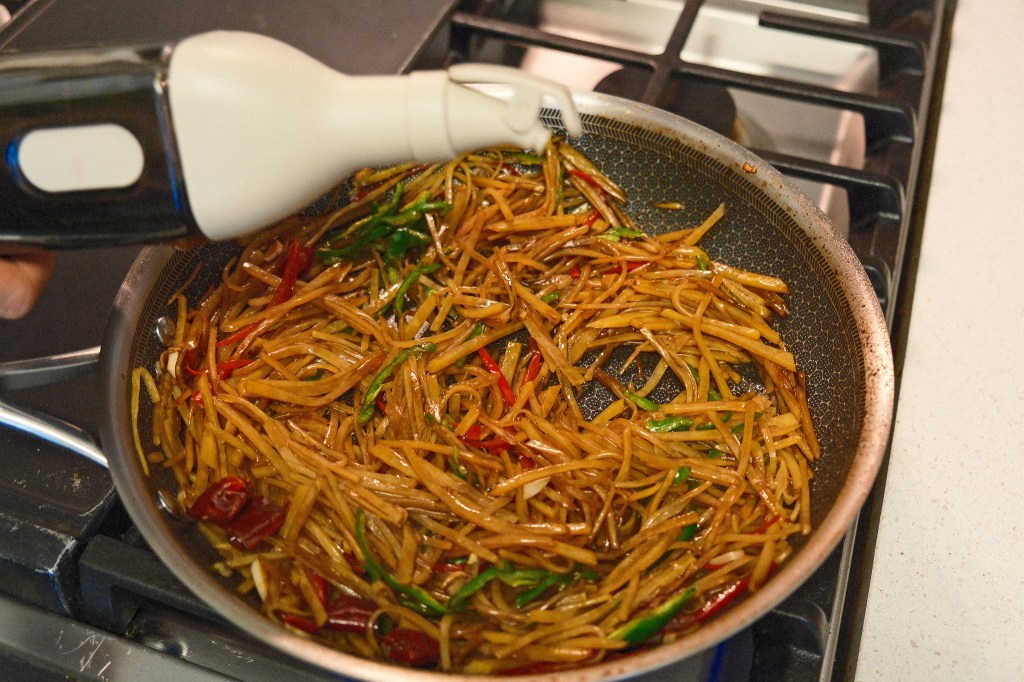
    1. Peel the potatoes and cut them into thin shreds. Rinse under cold water until the water runs clear . 土豆去皮切丝,用清水冲洗至水变清澈。

    2. Mix the potato shreds with 1 tablespoon of white vinegar and let soak for 10 minutes . 加入 1 勺白醋抓匀,浸泡 10 分钟。

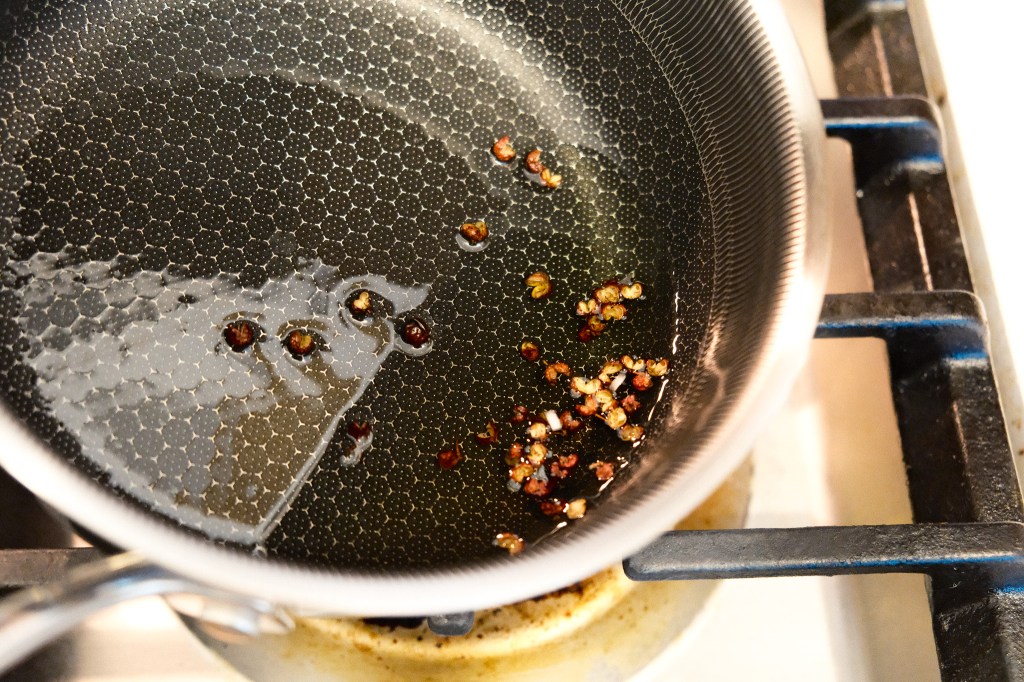
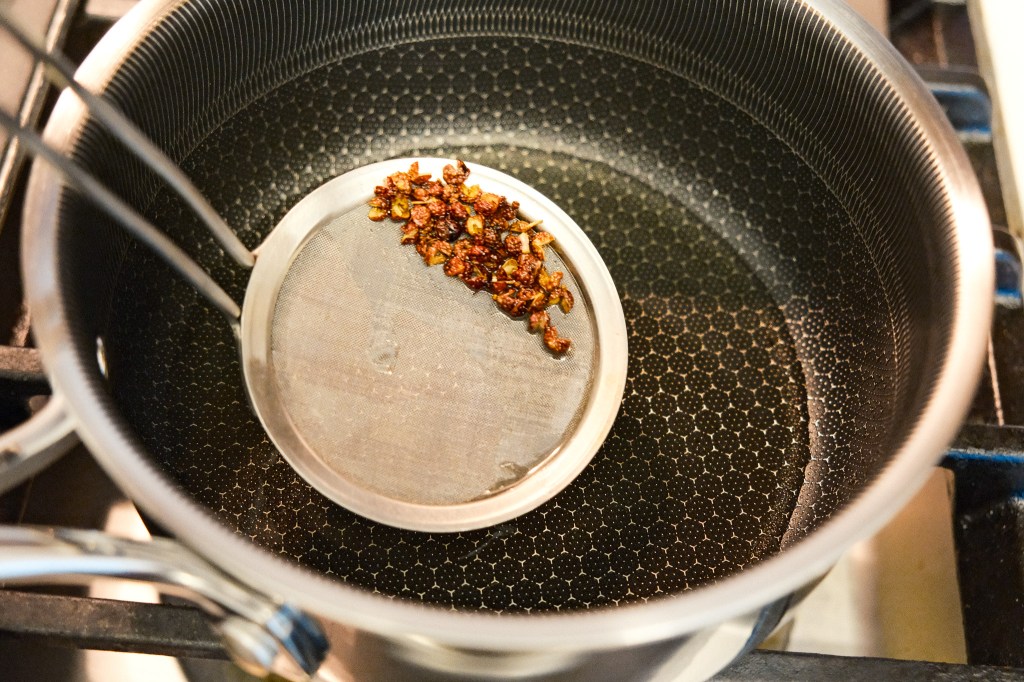
    3. Heat oil in a wok and add Sichuan peppercorns, frying until aromatic. Do not use too many, as they can turn bitter; remove and discard once fragrant and dark purple. 锅中倒油,加入花椒粒炸香。花椒不可过量,否则发苦;炸糊也会发苦,见其出香味、呈深紫色时立即捞出丢弃。

    4. At this point the oil will be very hot. Turn off the heat, let it cool slightly, then add the garlic slices and red chili strips to release their aroma with the residual heat. Still off the heat, add 2 tablespoons of light soy sauce and a dash of dark soy sauce for color. 此时油温很高,关火,待稍降后放入蒜片和红辣椒丝,用余温爆香。保持关火,加入 2 勺生抽和少许老抽调色。

    5. Turn the heat back to high and stir-fry until the sauce starts to bubble. Add the potato shreds, stir-fry on high for about 1 minute until slightly softened, then add the green pepper strips. 再开大火翻炒,待锅中酱料冒泡时下入土豆丝,大火翻炒约 1 分钟,炒至稍微软化后加入青椒丝。

    6. Keeping the heat on high, season with 1 teaspoon salt, 1 teaspoon chicken bouillon powder, and 1 teaspoon sugar. Add scallion strips or cilantro stems and stir to combine. 保持大火,调入 1 茶匙盐、1 茶匙鸡精、1 茶匙白糖,再倒入葱丝或香菜梗翻炒均匀。

    7. Finally, drizzle 2 tablespoons of aged vinegar or white vinegar around the wok, toss quickly, and serve hot. 最后沿锅边淋入 2 勺陈醋或白醋,快速翻匀即可出锅。

    Voila! Bon appétit!

    Tips:

    • At step 1, rinsing potato shreds with cold water is to remove excess starch so the potatoes stay crisp and don’t stick together when stir-fried. 第一步中用清水冲土豆丝能洗去多余淀粉,炒时不粘连,更加爽脆
    • At step 2, the vinegar keeps potato shreds crunchy when cooked. 第二步中用醋浸泡也是因为醋能让土豆丝更脆
    • At step 6, the sugar is to enhance flavor and balance the vinegar’s acidity. 第六步中,糖是为了提鲜并中和醋酸味。
  • Baby Squid with Scallion Oil 葱油小管

    Baby Squid with Scallion Oil 葱油小管

    TOTAL TIME: 10 minutes

    YIELD: 2 servings

    CALORIES: 235 kcal per serving

    SPICINESS: Not Spicy

    A classic home-style dish from Fujian cuisine, known for its simplicity and speed. The dish retains the natural sweetness and springy texture of the baby squid, with the aroma of scallion oil infused throughout. Light and refreshing, it’s perfect for busy days when you want to get dinner on the table quickly. Baby squid is high in protein, and with the main seasoning being steamed fish soy sauce, this makes for a very healthy side dish.


    INGREDIENTS 备菜

    Item 配菜Amount 用量
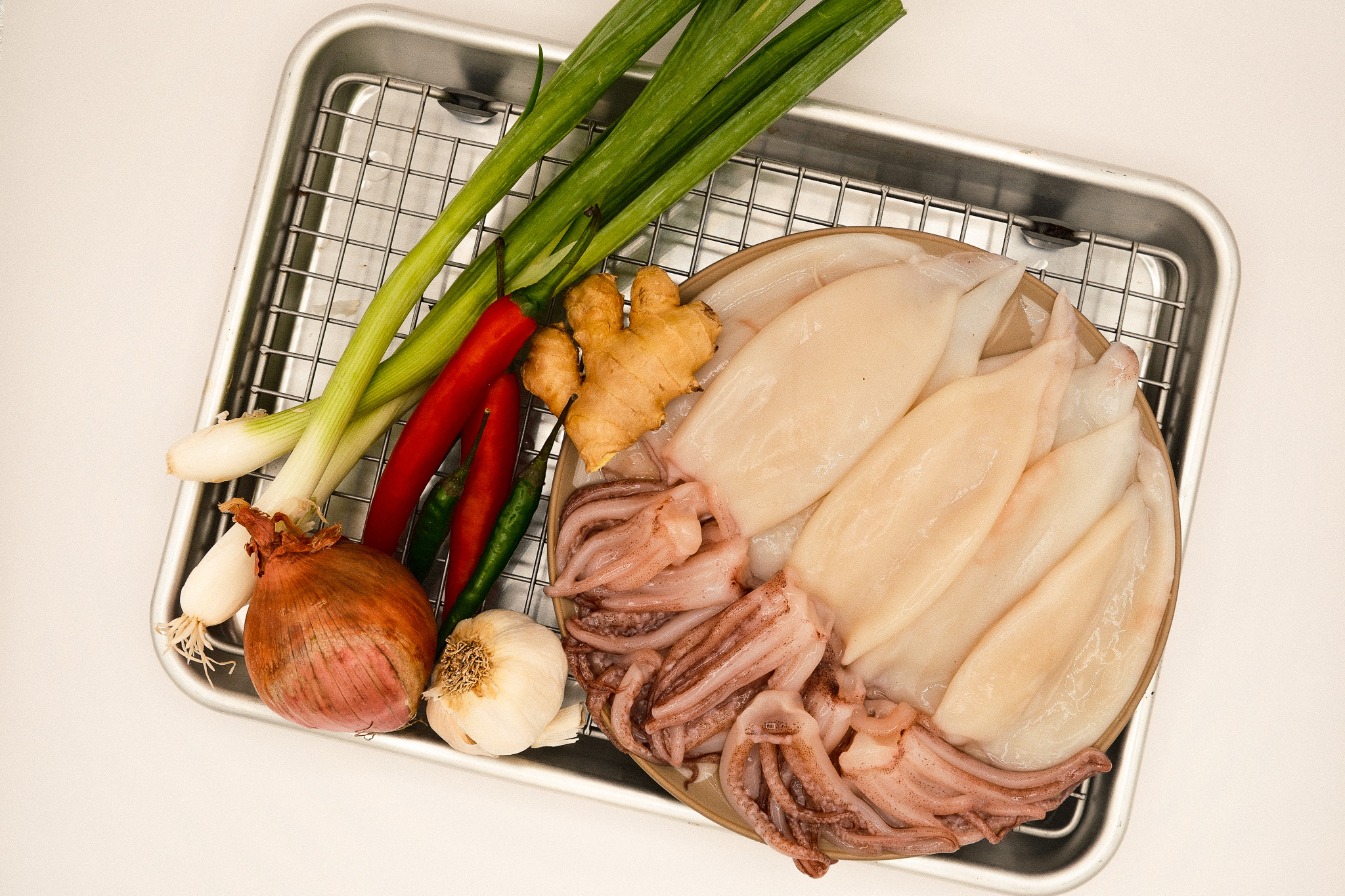
    Squid Tubes & Tentacles 小管鱿鱼1 pound
    Scallions 葱20 g
    Garlic 蒜3 – 5 cloves
    Ginger 姜3 – 5 slices
    Shallot 红葱头1/2 (opt.)
    Red Chili 红辣椒1 (opt.)
    Thai Chili 小米辣1 (opt.)
    Sichuan Peppercorn 花椒10 g (opt.)
    Cooking Wine 料酒15 g
    Seasoned Soysauce (Seafood) 蒸鱼豉油10 ml
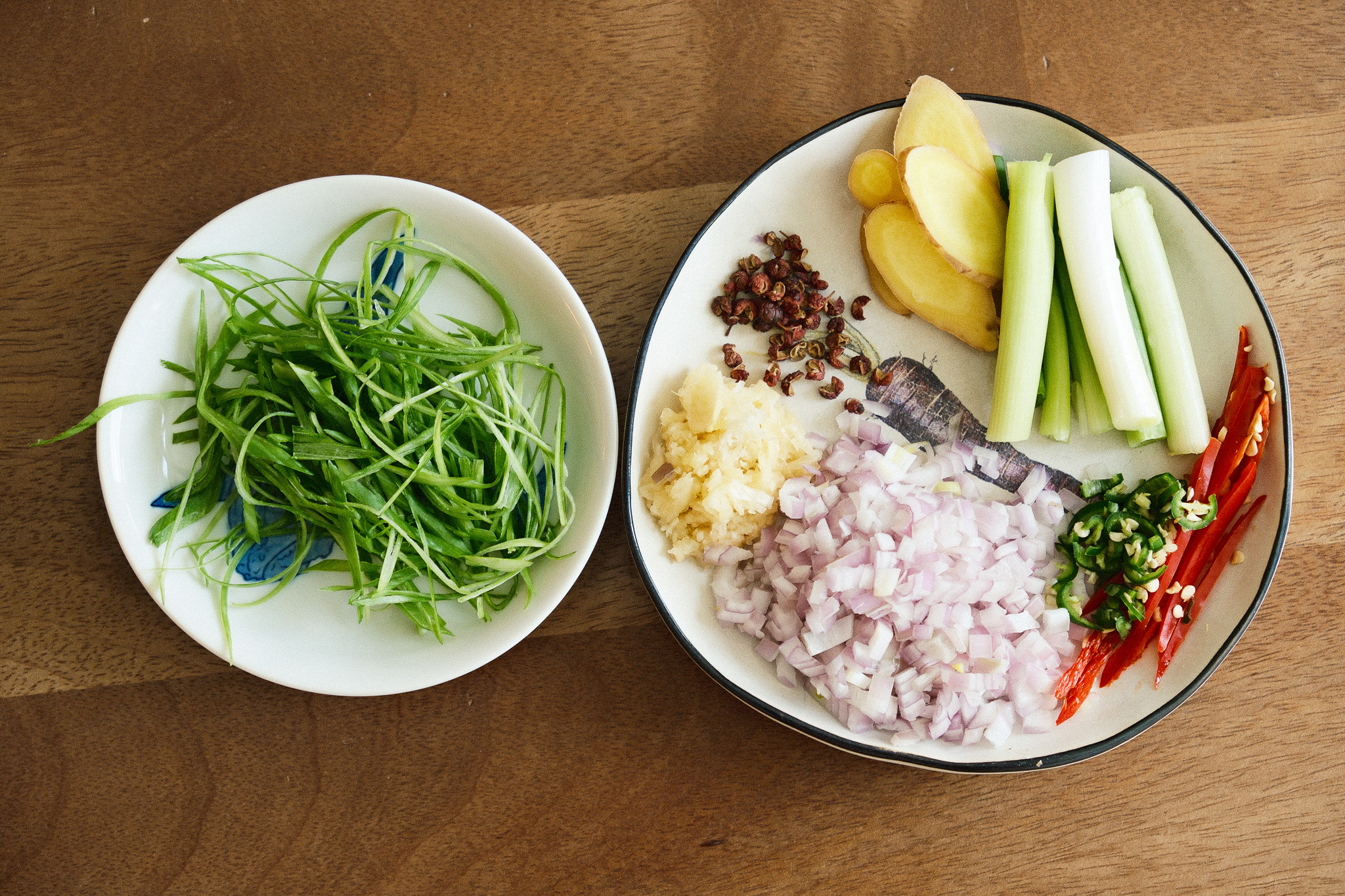
    1. Cut the white part of the scallions into segments and slice the green part into thin strips (check this video and watch from 0:48 to learn slicing scallions into thin strips).
    2. Slice the ginger, mince the garlic and shallot, cut the red chili into thin strips, and finely chop the Thai chili. The chilies are optional and can be adjusted to taste.
    3. Shallots and Sichuan peppercorns are also optional – I personally enjoy the numbing aroma of Sichuan peppercorn, and fried shallots add extra fragrance to the scallion oil. That said, the only truly essential aromatics are scallions, ginger, and garlic.
    4. Cooking wine and seasoned soy sauce for seafood are common Chinese condiments, easily found in Asian supermarkets. Be sure to buy Shaoxing cooking wine, not Japanese cooking sake (or Mirin) – they are two different products. Shaoxing cooking wine has an amber to brown hue, while Japanese cooking sake is usually clear or pale yellow.
    1. 鱿鱼我一般是从 Whole Foods 购买,鱿鱼管和触须各占一半。
    2. 葱白切段,葱绿切细丝。可以参考这个视频学习如何切葱丝。
    3. 姜切片;蒜和红葱头切末;红辣椒切丝,小米辣切碎。辣椒可根据个人口味添加或省略。
    4. 红葱头和花椒同样是可选的。我个人喜欢花椒的麻香味,红葱头炸过后能让葱油更香。不过严格来说,必不可少的调料只有葱、姜、蒜。
    5. 料酒和蒸鱼豉油是常见的中式调味料,可以轻易在亚超找到。

    INSTRUCTIONS 做法

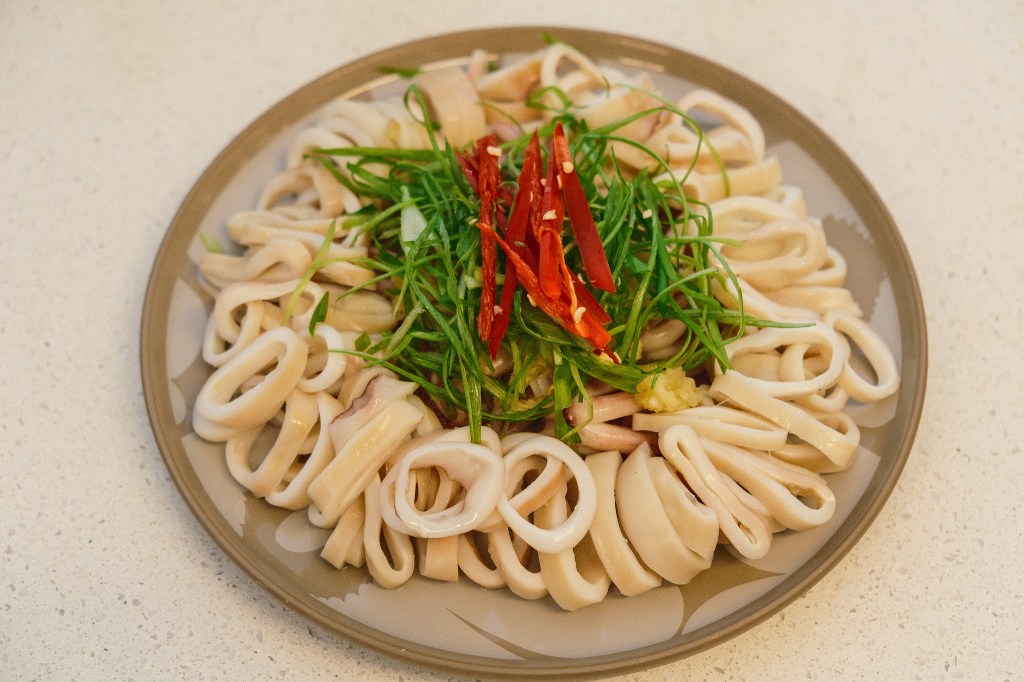
    1. Gently rub the squid with salt to remove surface mucus, then rinse thoroughly under cold water. In a pot of cold water, add ginger slices, scallion segments, and a splash of cooking wine. Once the water comes to a boil, add the squid and blanch for about 2 minutes, until it curls slightly and turns opaque white. Remove immediately. 鱿鱼轻轻用盐搓洗去除表面粘液,再用清水冲净。冷水锅中放入姜片、葱段和少许料酒,水沸后下入鱿鱼,烫煮约 2 分钟,见其微微卷曲、色泽转白时立刻捞出。

    2. Heat oil in a wok, add Sichuan peppercorns, and fry until aromatic and darkened. Remove and discard (optional). 锅中倒油,下花椒炸至香味溢出、颜色变黑后捞出(此步骤可跳过)。
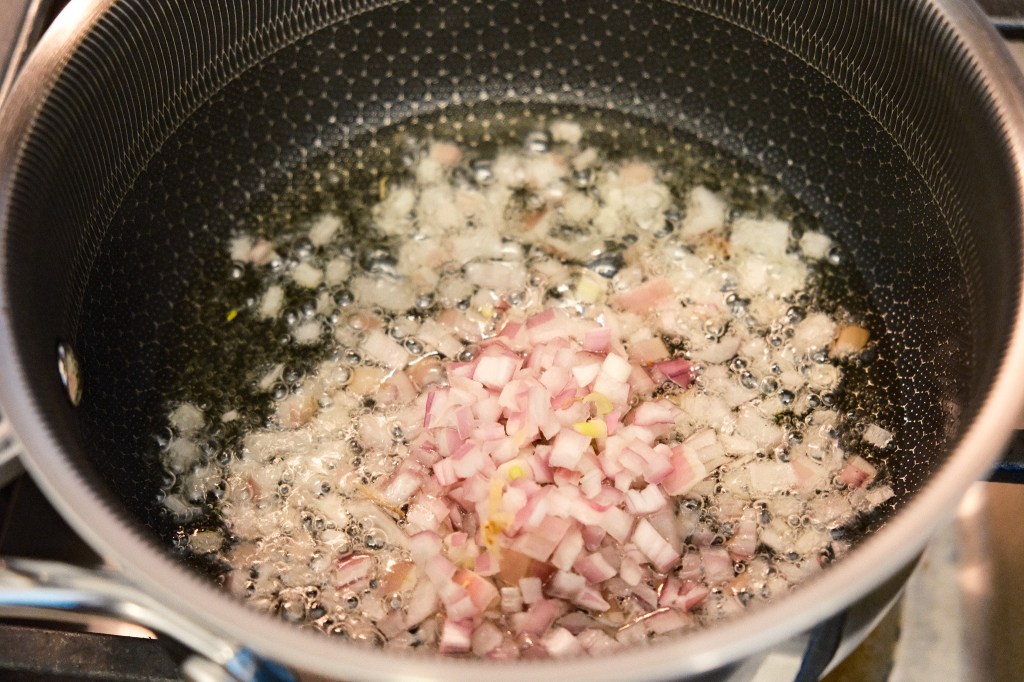
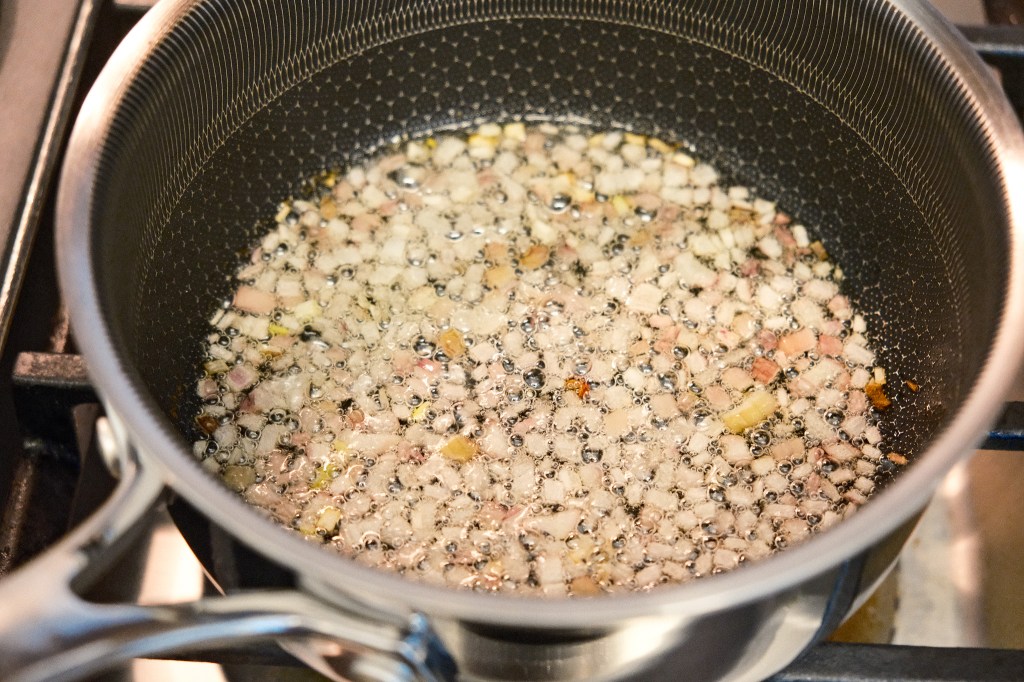
    3.In the same oil, fry shallots until golden and crispy, then remove and set aside (optional). 用同一锅油炸红葱头,至干酥后捞出备用(可选)。

    4. Slice the blanched squid and arrange on a serving plate. Top with minced garlic, crispy fried shallots, scallion shreds, and red chili strips. 将焯好的鱿鱼切片摆盘,铺上蒜末、炸红葱头酥、葱丝和红辣椒丝。

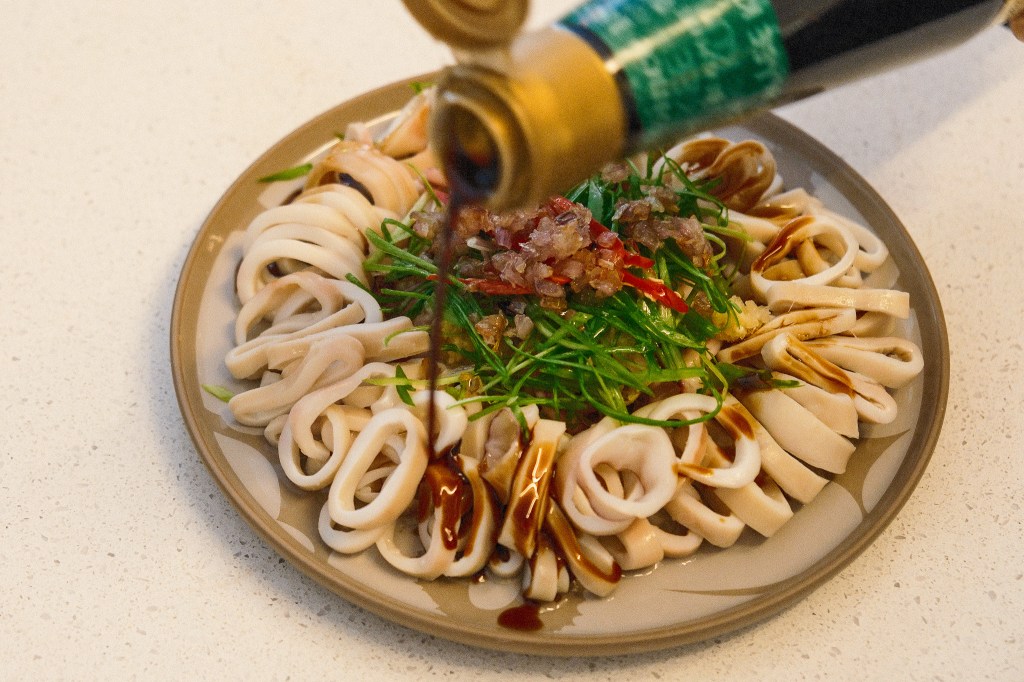
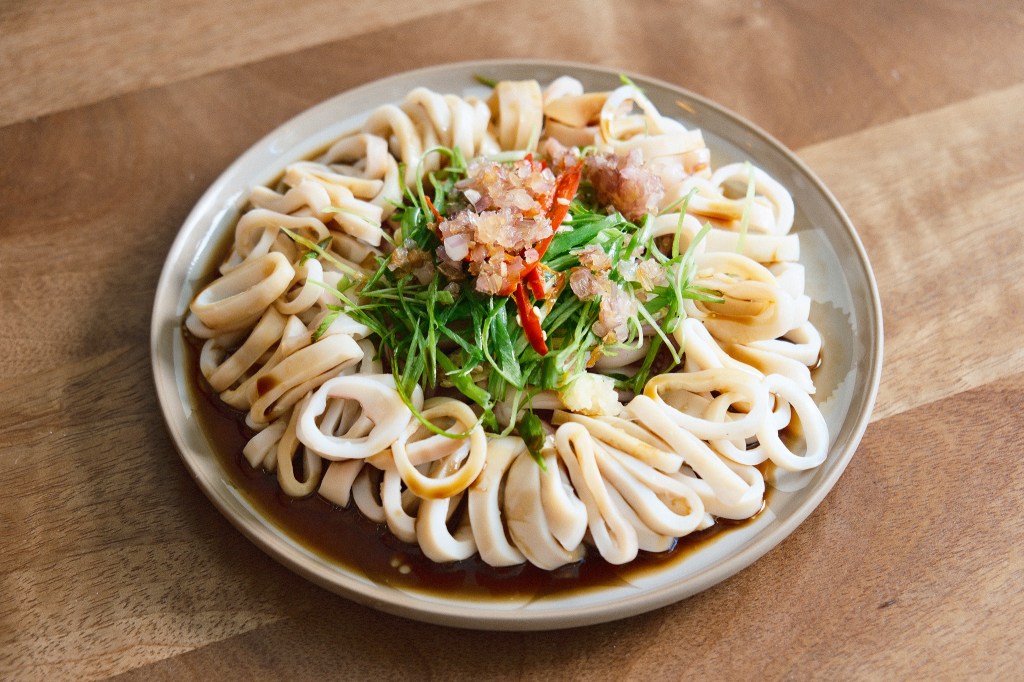
    5.Heat the oil from step 3 until smoking hot, then pour it over the squid and scallions. 将第三步锅中的热油继续加热至冒烟,趁热淋在鱿鱼和葱丝上。

    6. Drizzle a ring of seasoned soy sauce for seafood around the plate and serve immediately. 沿盘边淋上一圈蒸鱼豉油,即可上桌。
    Voila! Bon appétit!

    Tips:

    • Scallions, ginger, and cooking wine are added to the water to help eliminate any fishy smell. 水中加入葱、姜和料酒,都是为了去除腥味。
    • If you skip the Sichuan peppercorns and shallots, you can simply pour hot oil directly over the scallions and squid.如果不加花椒和红葱头,可以直接将热油淋在葱丝和鱿鱼上。

  • Steamed Pork Ribs with Black Bean Sauce 干蒸豉汁排骨

    Steamed Pork Ribs with Black Bean Sauce 干蒸豉汁排骨

    TOTAL TIME: 45 minutes

    YIELD: 2 servings

    CALORIES: 600 kcal per serving

    SPICINESS: Not Spicy

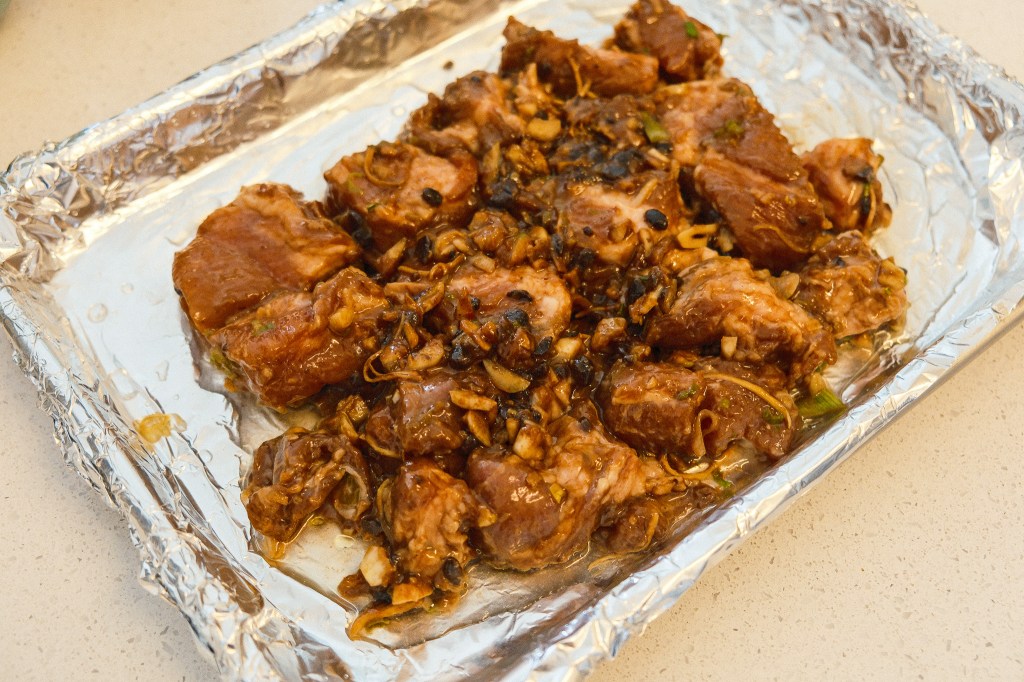
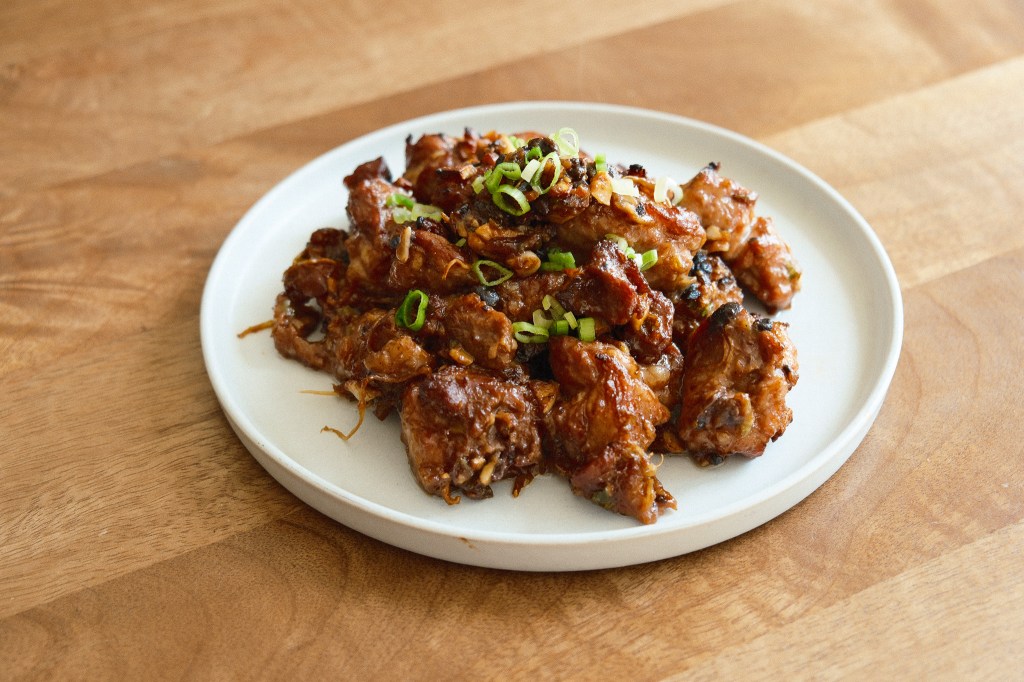
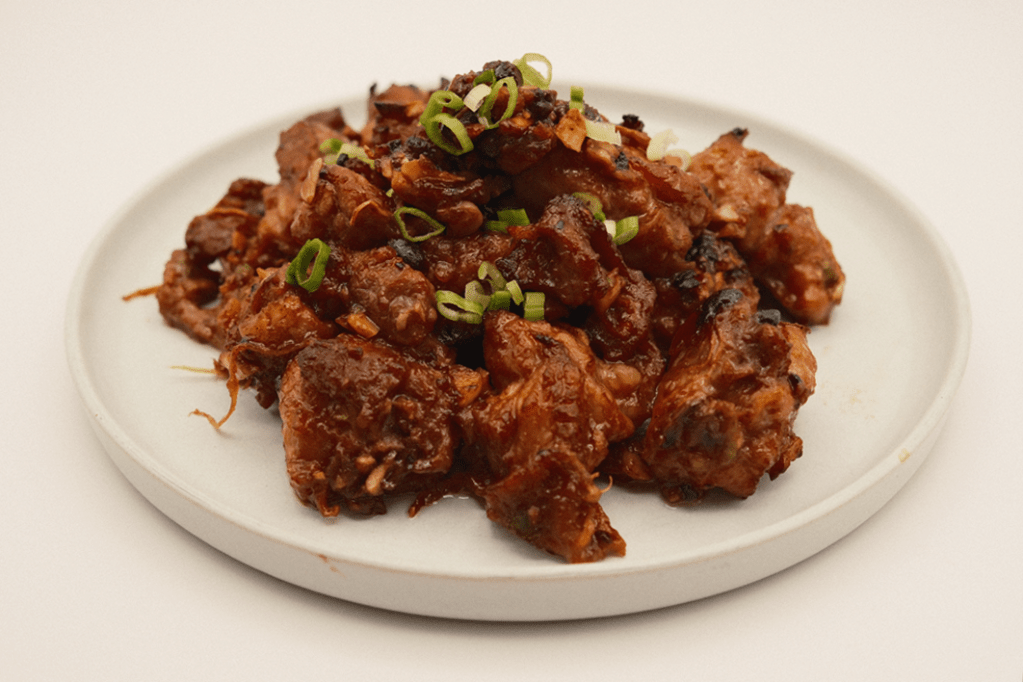
    A common dim sum favorite made with bite-sized pork ribs marinated in a savory black bean sauce. The ribs are seasoned with black fermented soybeans, garlic, and a touch of soy sauce, then steamed until tender and juicy. The result is a fragrant, flavorful dish with a rich umami taste and a hint of sweetness, perfect for enjoying with steamed rice or as part of a dim sum spread.

    INGREDIENTS 备菜

    Item 配菜Amount 用量
    Pork Ribs 猪肋排500 g
    Scallions 葱15 g
    Garlic 蒜25 g (3 cloves)
    Ginger 姜8 g (3 slices)
    Fermented Soybeans 豆豉15 g
    Oyster Sauce 蚝油15 g
    Sesame Oil 芝麻油10 g
    Red Fermented Bean Curd 红腐乳10 g
    Light Soy Sauce 生抽15 g
    Sugar 白糖10 g
    White Pepper 白胡椒粉0.2 g
    Chicken Bouillon Powder 鸡精5 g
    Potato Starch 土豆淀粉30 g
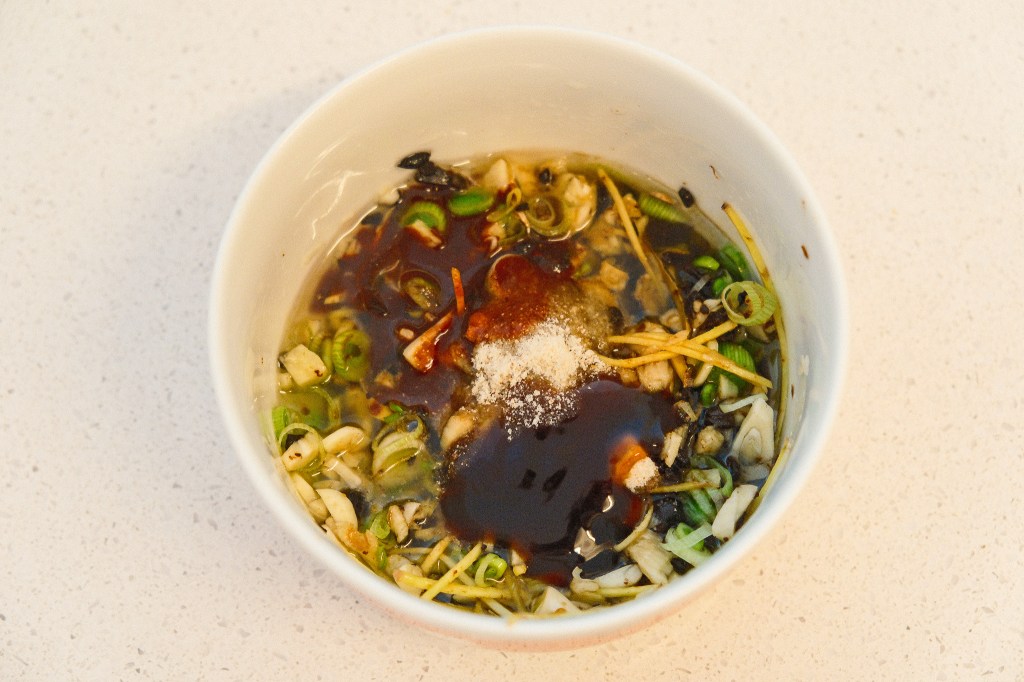
    1. Slice three pieces of ginger into thin strips. Crush 5 cloves of garlic, then mince them. Take one scallion, separate the white and green parts, and chop both. Combine the chopped scallion whites with the minced garlic and ginger, and set the scallion greens aside in a small bowl for later use (refer the 2nd picture).
    2. Dried fermented soybeans (douchi) can be found in most Asian supermarkets or online grocery shop e.g. Weee! or Walmart. Choose ones without visible salt crystals. Finely chop them with a knife and mix with the scallion–ginger–garlic mixture.
    3. For oyster sauce, light soy sauce, and chicken bouillon powder, Lee Kum Kee is a good brand choice.
    4. For red fermented bean curd, Wangzhihe is recommended. All of these seasonings are easy to find in Asian supermarkets.
    1. 排骨建议选用小肋排,我是在 Whole Foods 购买的,可以请工作人员帮忙剁成小块。
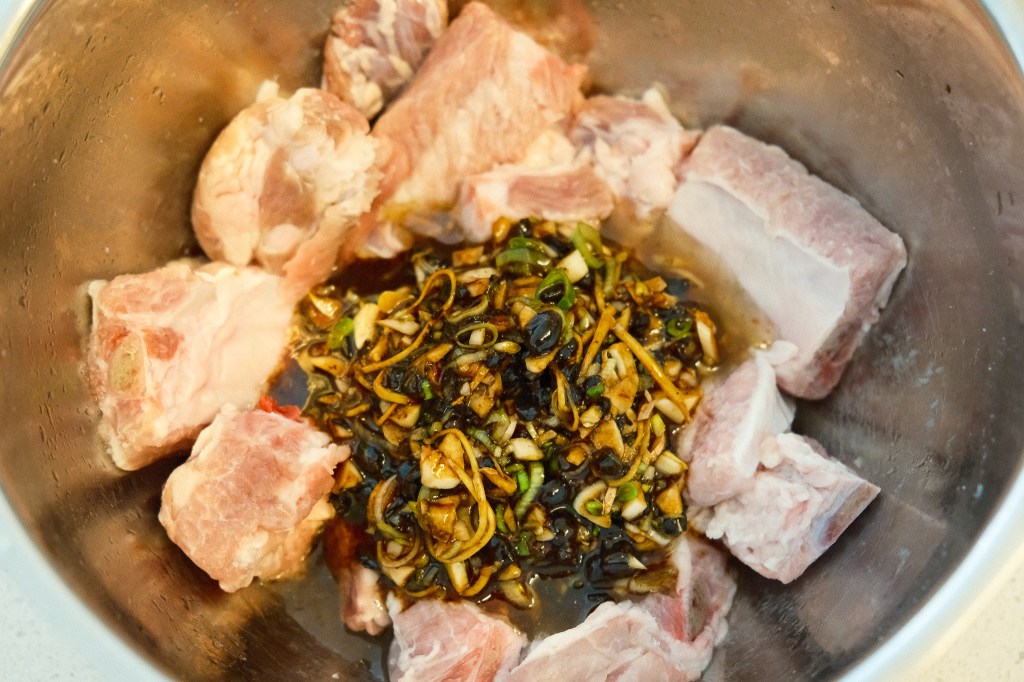
    2. 姜切三片,切成细丝;大蒜 5 粒,拍扁后切成末;一根小葱,葱白与葱绿分开,分别切成葱花。将葱白与蒜末、姜丝混合,葱绿单独放在一个小碗备用。
    3. 干豆豉一般在亚洲超市都能买到,一定要选择表面没有盐粒的。用菜刀切碎,与葱姜蒜混合。
    4. 蚝油,生抽和鸡精都可以选李锦记的
    5. 红腐乳可选王致和的,这些调料在亚洲超市也很容易找到。

    INSTRUCTIONS 做法

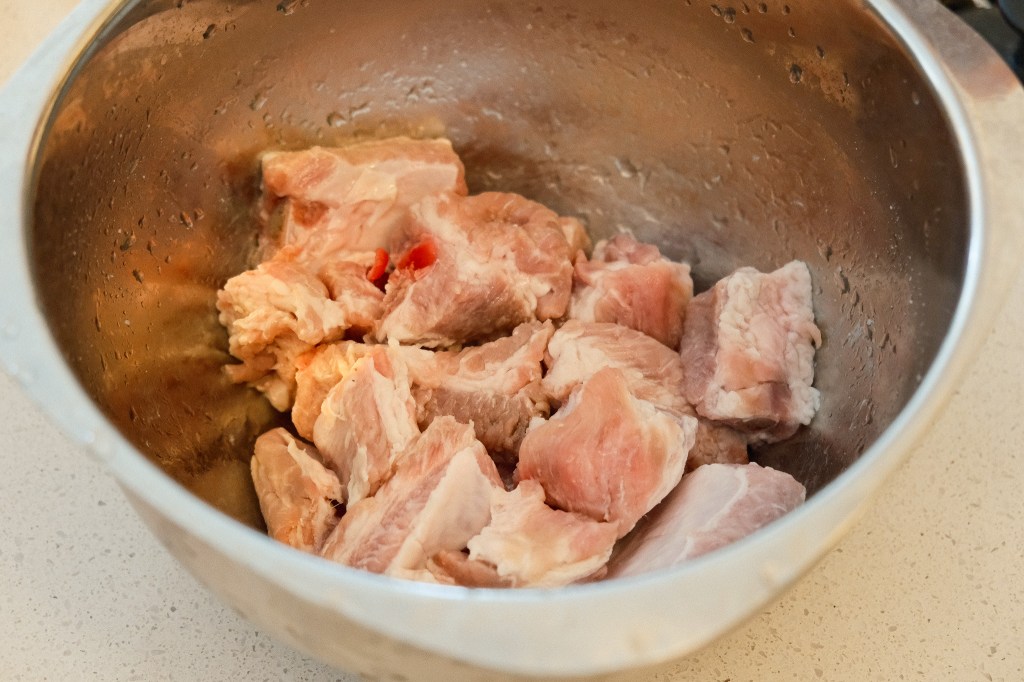
    1. Soak the pork ribs in clean water, ensuring they are fully submerged, for at least 30 minutes to remove blood and any gamey odor. 将排骨放入清水中浸泡,水量需没过排骨,浸泡至少 30 分钟以去除血水和腥味。

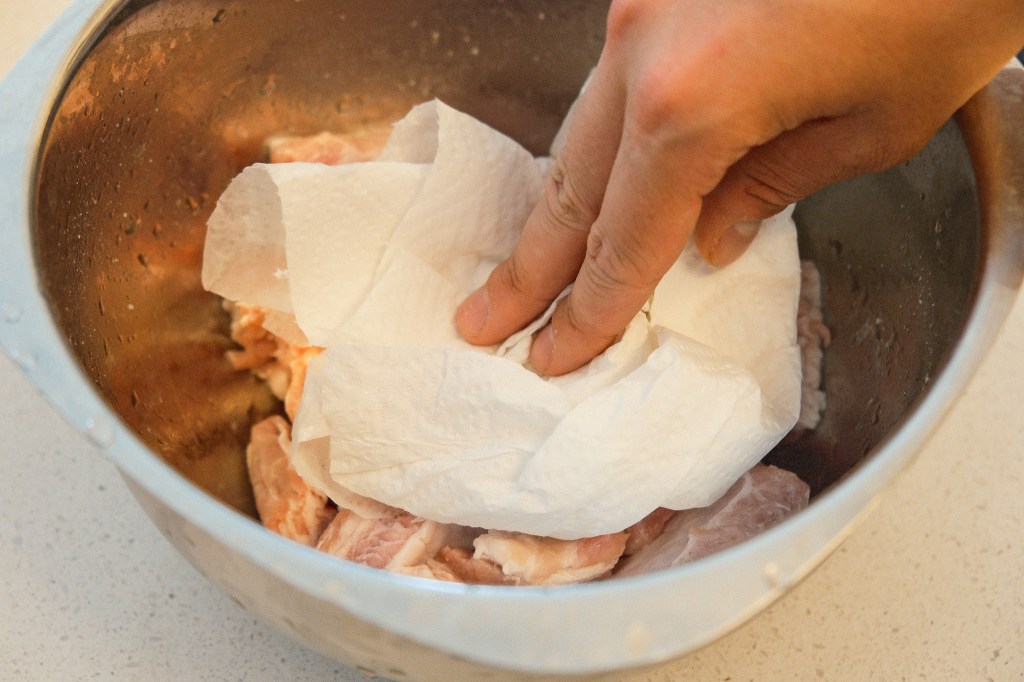
    2. Drain the water, rinse the ribs twice, and pat completely dry with paper towels. 浸泡后倒掉血水,用清水冲洗两遍,并用厨房纸彻底吸干水分。

    3. In a small pot, heat about 5 tablespoons of cooking oil over high heat until it smokes. Pour the hot oil over the scallions, ginger, garlic, and fermented black beans, then stir quickly to combine. 小锅中倒入约 5 汤匙食用油,大火加热至冒烟后,趁热浇入葱、姜、蒜和豆豉中,快速搅拌均匀。

    4. Add 10 g sugar (about 1 tablespoon), a pinch of white pepper, 1 teaspoon chicken bouillon powder, 1.5 tablespoons light soy sauce, 2/3 tablespoon oyster sauce, and 1 tablespoon red fermented bean curd juice. If you don’t have the bean curd juice, add a little salt for seasoning; if you dislike its flavor, simply omit it. 加入白糖 10 克(约 1 勺)、白胡椒粉(少许)、鸡精(约 1 茶匙)、生抽(约 1.5 勺)、蚝油(约 2/3 勺)、红腐乳汁(约 1 勺)。如没有红腐乳汁,可加少许盐调味;不喜欢红腐乳的可省略。

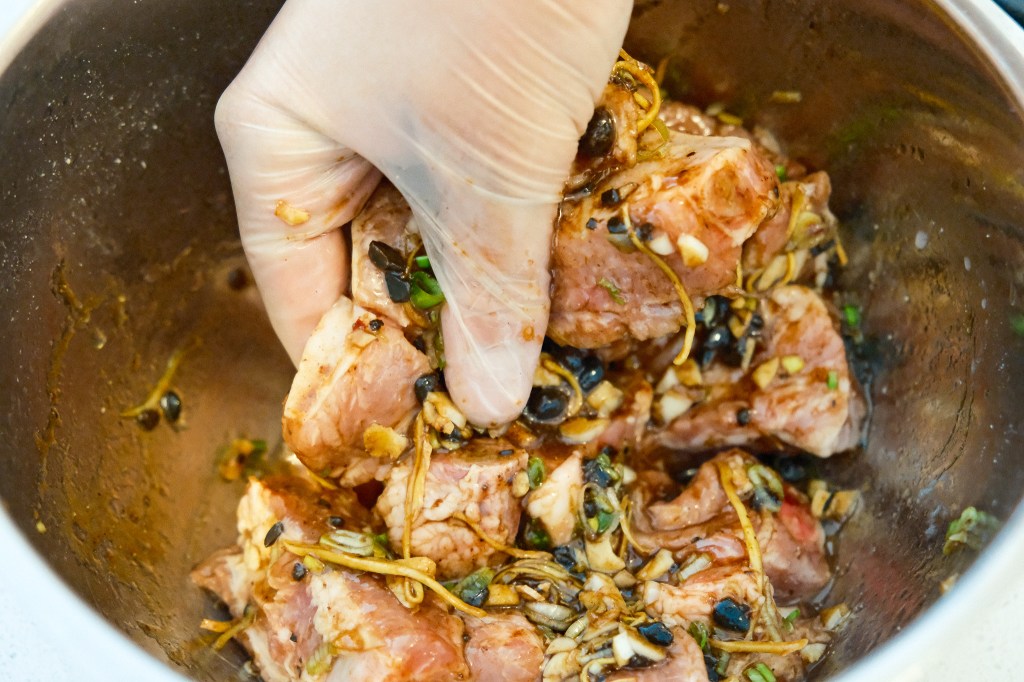
    5.Pour the sauce mixture over the ribs, toss by hand until evenly coated, then stir clockwise until all the sauce is absorbed (no oil left at the bottom) and the ribs feel slightly sticky to the touch. 将调好的料汁倒入排骨中,用手抓匀,再顺时针搅拌至料汁完全被吸收(盆底无多余油分),排骨表面略有粘感。

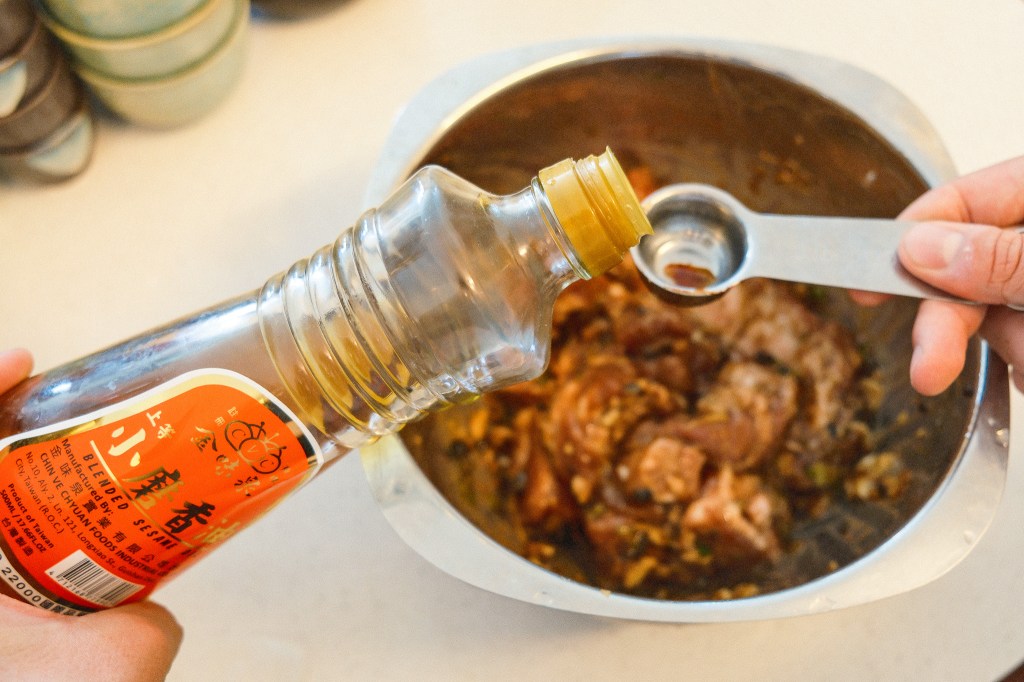
    6. Add about 3 tablespoons potato starch and mix to coat, creating a thin layer that locks in moisture. Once evenly coated, add about 1 tablespoon sesame oil, mix again, and marinate for 15 minutes. 加入土豆淀粉(约 3 勺)抓匀,使其在排骨表面形成一层浆锁住水分。拌匀后加入芝麻香油(约 1 勺),再次抓匀,腌制 15 分钟。

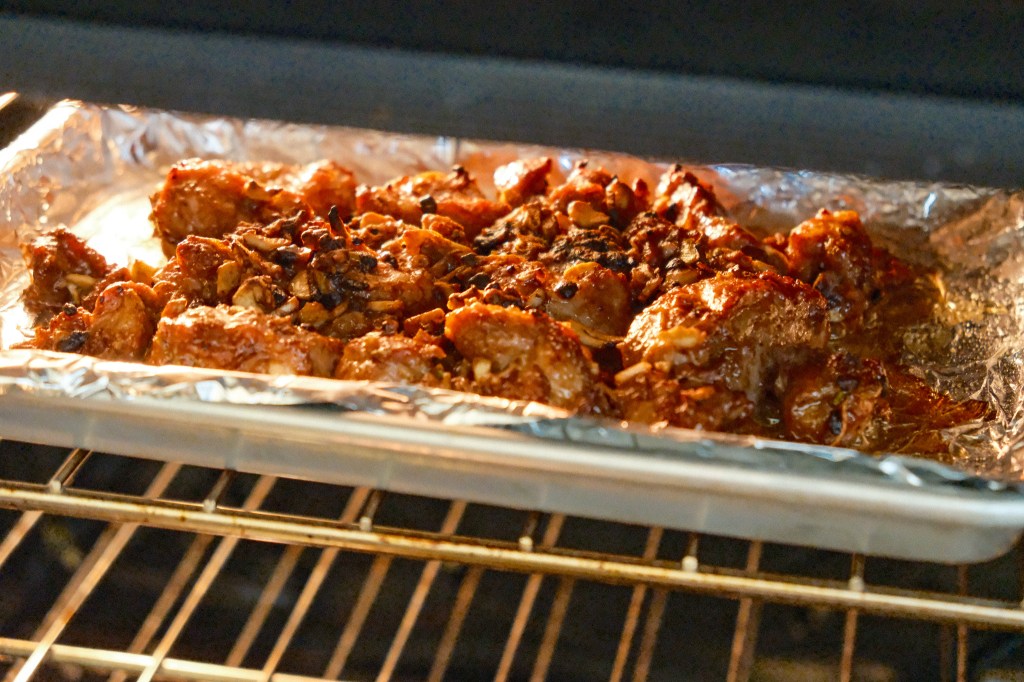
    7.Arrange the ribs evenly on a plate. Add a small amount of hot water to the baking tray, then bake on the upper rack at 230°C (450°F) for 15–17 minutes. 将排骨平铺在盘中,烤盘加少许热水,以 230°C(450°F)放在烤箱上层烤 15–17 分钟即可。

    Voila! Bon appétit!

    Tips:

    • At step 2, it is necessary to dry the ribs with paper towel otherwise excess moisture will prevent flavors from penetrating during marination. 第2步时一定要控干水分否则腌制时不易入味。
    • Unlike Western cooking, Chinese recipes often measure by spoon rather than exact grams. If unsure, follow the amounts in the ingredient list. 中餐调味通常不需精确到克,常用“勺”为单位,如不确定,可参考配料表的用量。
    • Traditionally, the ribs are steamed dry in a metal plate set in a wok, but using an oven is more convenient and avoids the risk of glass lids shattering. 这道菜的传统做法是用铁盘置于铁锅中干蒸,但操作不如烤箱方便,且玻璃盖质量不佳时有炸裂风险,因此更推荐烤箱替代。
  • Spicy Curry Shacha Beef Stew 劲辣咖喱牛

    Spicy Curry Shacha Beef Stew 劲辣咖喱牛

    TOTAL TIME: 2 hours

    YIELD: 2 servings

    CALORIES: 750 kcal per serving

    SPICINESS:

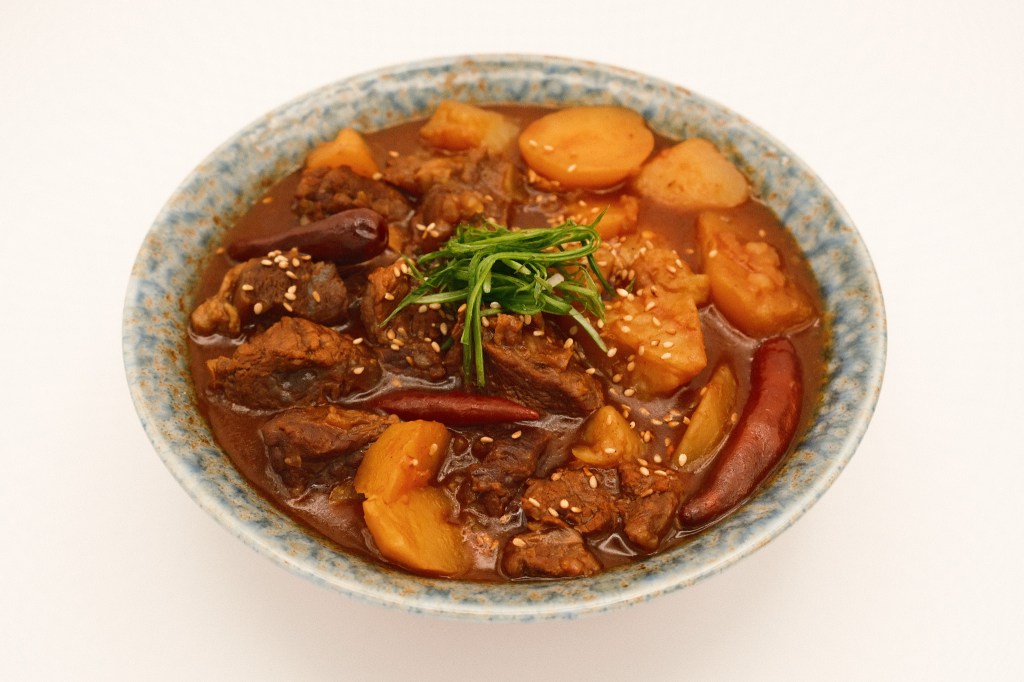
    A comforting, slow-cooked beef stew that blends the fragrant warmth of curry with the savory, umami-rich depth of Shacha (Chinese satay) sauce. Tender beef pieces are braised until melt-in-your-mouth soft, soaking up a flavorful balance of spice. This dish doesn’t require an extensive spice cabinet, only curry, Shacha and soy sauce. Perfect served over rice or with bread to enjoy every drop of the sauce.


    INGREDIENTS 备菜

    Item 配菜Amount 用量
    Beef Chunk 牛腩1 pound
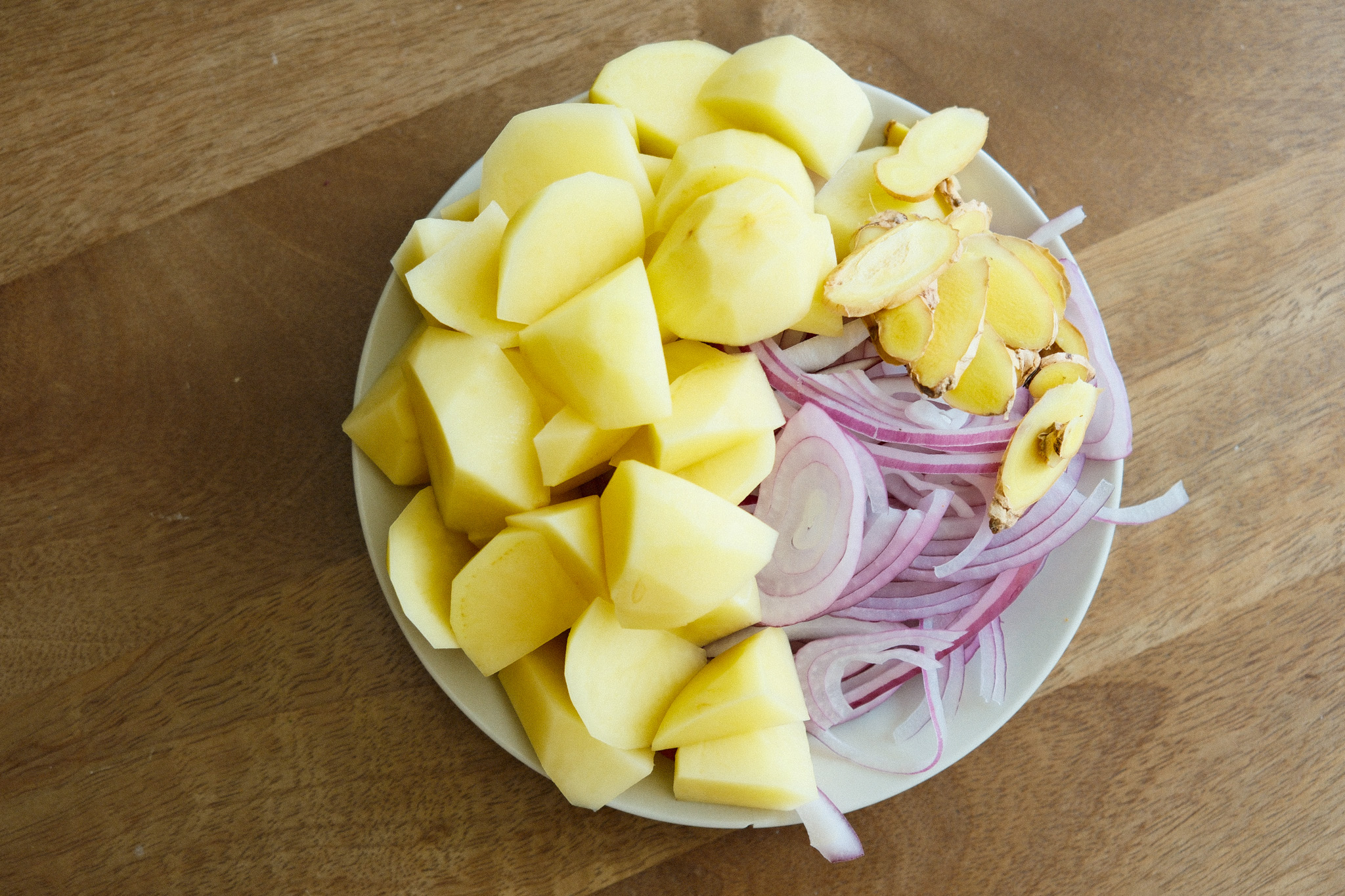
    Potato 土豆1
    Onion 洋葱1/2
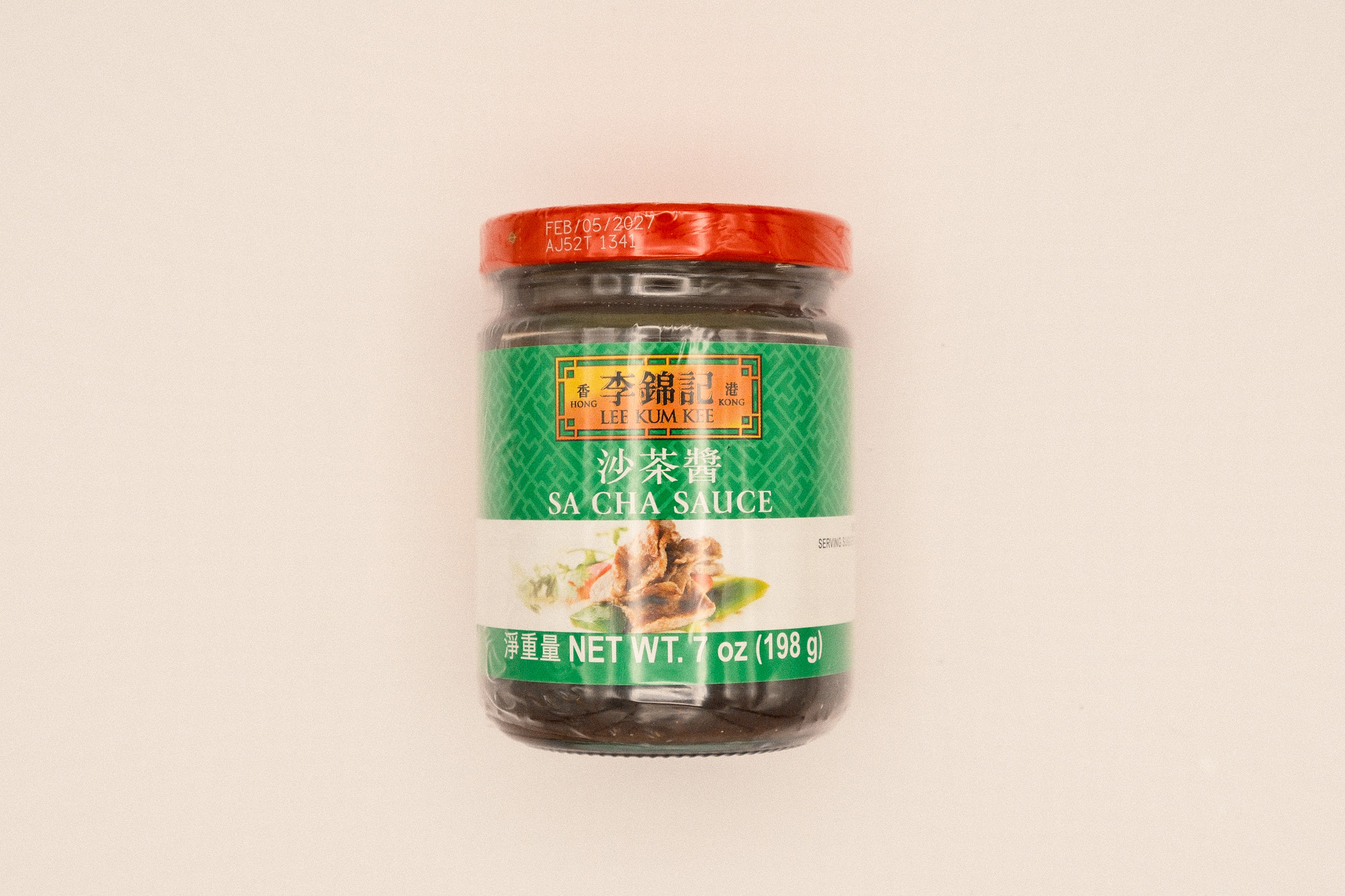
    Shacha Sauce 沙茶酱2 tbsp
    Red Curry Paste 泰式红咖喱1 tbsp
    Ginger 姜3-5 slices
    Bay Leaves 香叶3-5
    Dried Red Chili 干辣椒5
    Light Soy Sauce 生抽20 ml
    Dark Soy Sauce 老抽10 ml
    1. Thai red curry paste has a strong spice profile. For a milder flavor, you can substitute it with curry powder or Japanese curry roux (add about 2–4 small blocks according to your taste).
    2. Slice the onion into thin strips. White onions are recommended as they add a natural sweetness to the broth (though red onions work too). If you enjoy onions, you can add a whole one. During simmering, the onion will break down and help thicken the broth.
    3. Cut the potato into chunks. Its main role here is to add body to the broth, so one potato is enough. If you like potatoes, feel free to add more.
    4. Adjust dried chili to your spice tolerance.
    5. I used beef from Whole Foods, their quality is always excellent.
    6. For Shacha sauce, you can use either Lee Kum Kee or Bullhead.
    1. 泰式红咖喱酱的香料味较浓,如果口味偏清淡,可以用咖喱粉或日式咖喱块替代。使用咖喱块时,根据个人口味一般放 2–4 小块即可。
    2. 洋葱需切丝,建议选用白洋葱,能提升汤汁的鲜甜味(紫洋葱也可)。如果喜欢洋葱,可整颗加入。炖煮过程中洋葱会煮化,增加汤汁的浓稠度。
    3. 土豆需切滚刀块,主要作用也是增加汤汁浓度,因此放 1 个即可。如果喜欢吃土豆,可以适量多放。
    4. 干辣椒的用量根据个人对辣度的接受度调整。
    5. 牛肉我是在Whole Foods 买的,他们的品质感觉比一般超市的要好很多。
    6. 沙茶酱可以选择李锦记或牛头牌的。

    INSTRUCTIONS 做法

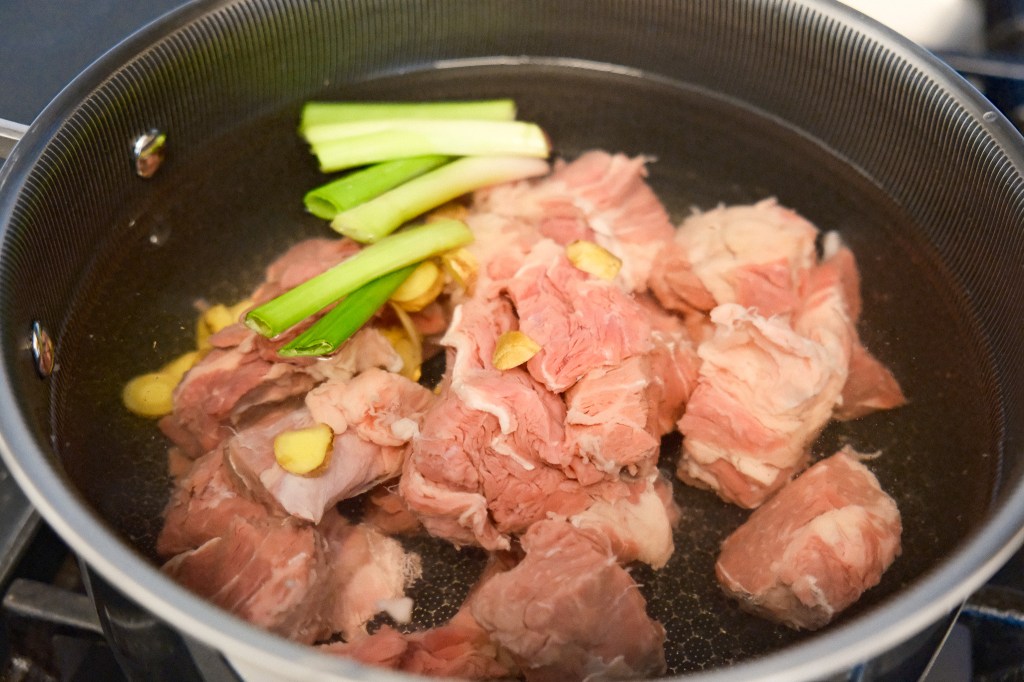
    1. Rinse the beef and blanch it in cold water. Optionally, add scallion and ginger slices to remove any gamey taste. 牛肉洗净后冷水下锅焯水,可加入葱段和姜片去腥(没有也没事)。

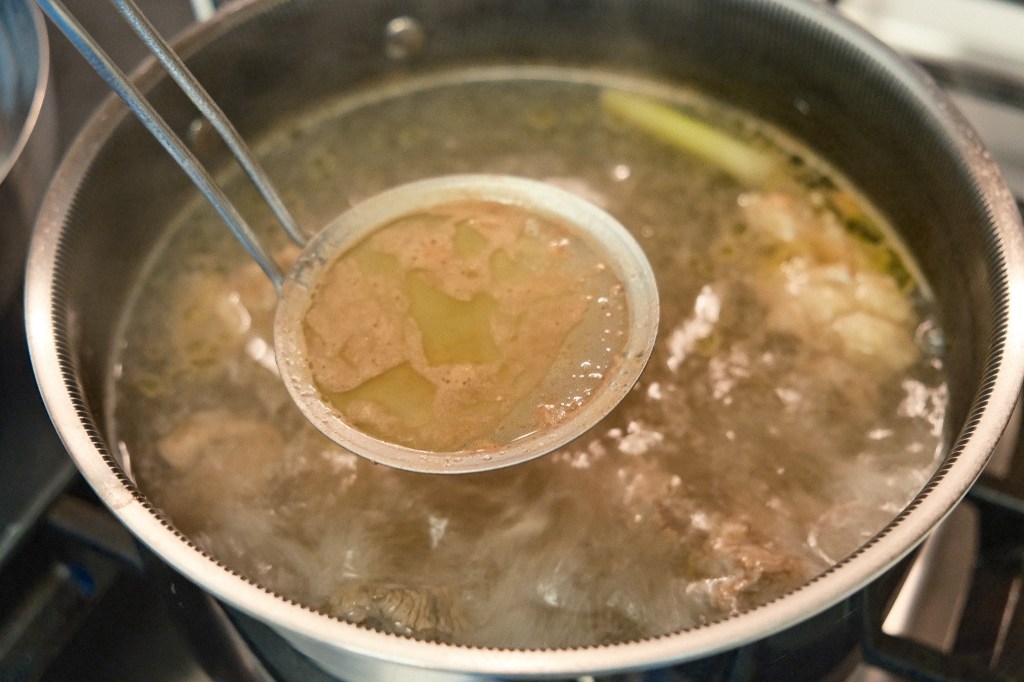
    2. Once the water boils, blanch for about 5 minutes, skim off any foam, and remove the beef. Reserve the cooking broth for later. 水开后焯约 5 分钟,撇去浮沫,将牛肉捞出,煮牛肉的汤汁留作备用。

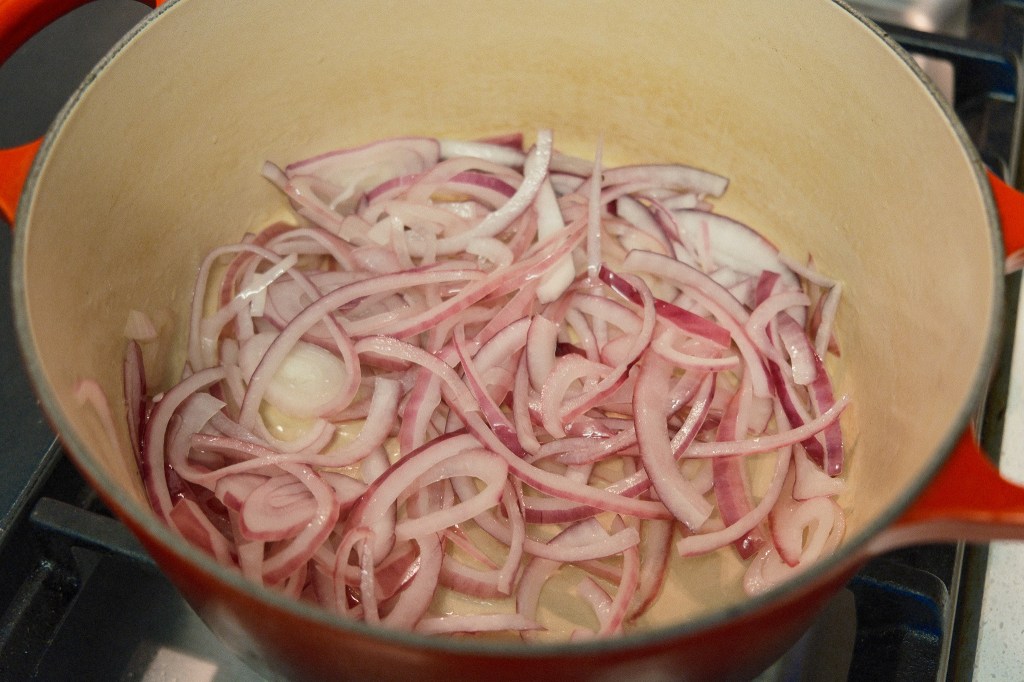
    3. Heat oil in a pan and sauté sliced onions until soft. You can also add garlic or shallots for extra aroma. 锅中放油,炒软洋葱。除洋葱外,也可加入大蒜或红葱头以叠加香味。

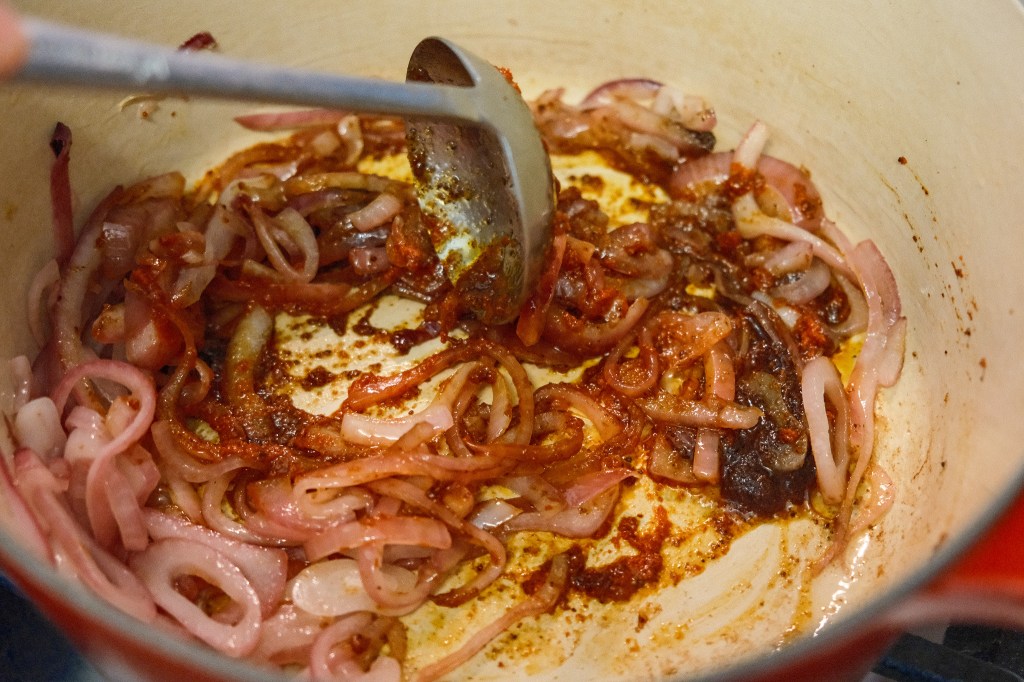
    4. Add curry paste and shacha sauce, and stir-fry over low heat until fragrant. Ratio: about 30g curry paste and 40g shacha sauce per 1kg of beef, adjusting to taste. Keep the heat low to avoid burning the spices. 洋葱炒软后,加入咖喱酱和沙茶酱小火炒香。比例参考:每 1 公斤牛肉配 30 克咖喱酱和 40 克沙茶酱,可根据个人口味调整。注意小火炒制以免香料炒糊。

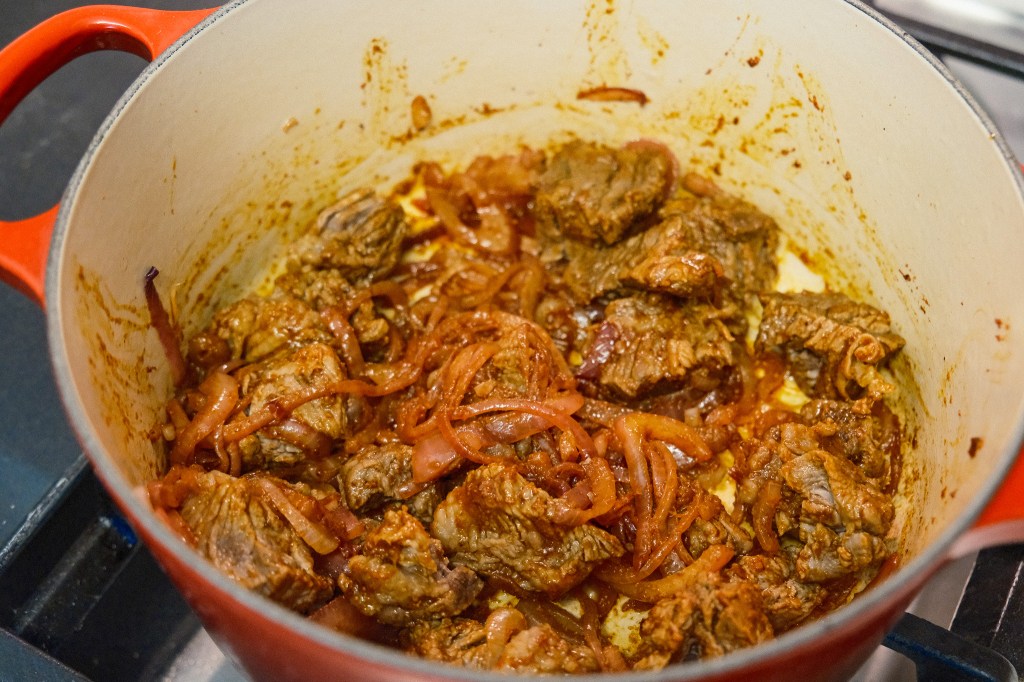
    5. Return the blanched beef to the pan and stir to coat. 放入焯过水的牛肉翻炒均匀。

    6. Add light and dark soy sauce, then pour in the reserved beef broth (or hot water). 加入生抽、老抽,再倒入之前的牛肉汤(也可用热水)。

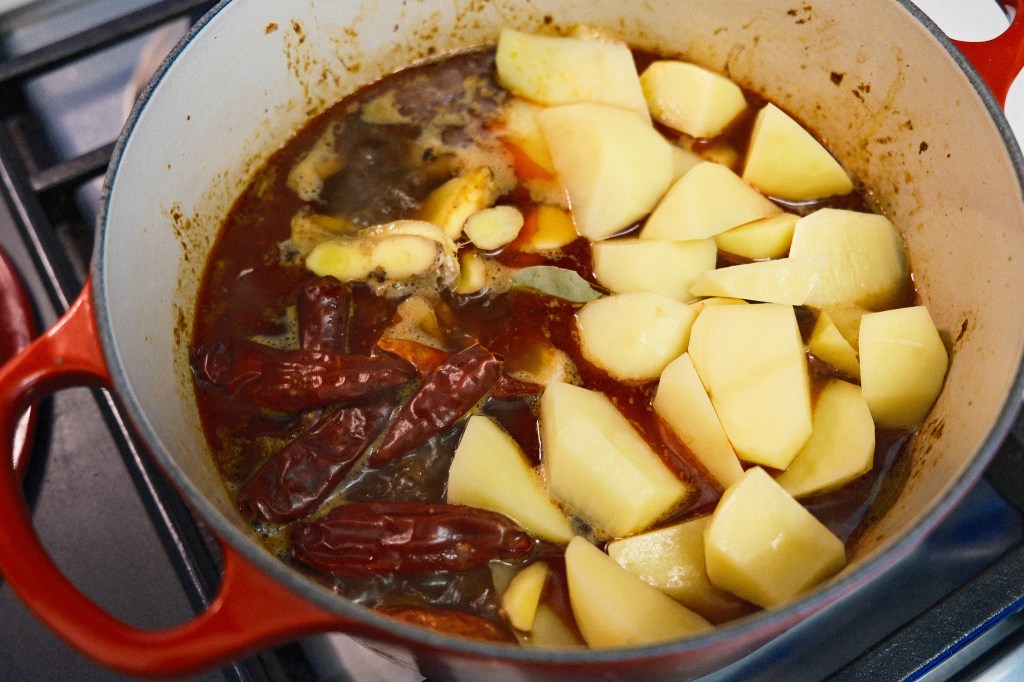
    7.Add ginger slices, bay leaves, dried chili peppers, and potatoes, then simmer together. 加入姜片、香叶、干辣椒和土豆,一同炖煮。

    8.Cover and cook over low heat for about 1.5 hours; if using large beef chunks, cook for 2 hours. 盖上锅盖,小火炖约 1.5 小时;如牛肉块较大,则炖 2 小时。

    Voila! Bon appétit!

    Tips:

    • At step 6, avoid adding cold water or cold broth, as it can toughen the beef. 第6步时切勿加入冷水或冷掉的肉汤,以免牛肉遇冷变硬。
    • When using Japanese curry roux, which already thickens the sauce, you can reduce the potato amount accordingly. 若使用日式咖喱块(自带增稠作用),可适当减少土豆用量。
    • The stew tastes even better overnight, so consider making extra and reheating for deeper flavor. 隔夜咖喱风味更佳,可多做一些,第二天加热食用味道更浓郁。